Rego Park NYC Real Estate Guide 2026
What Rego Park Actually Is
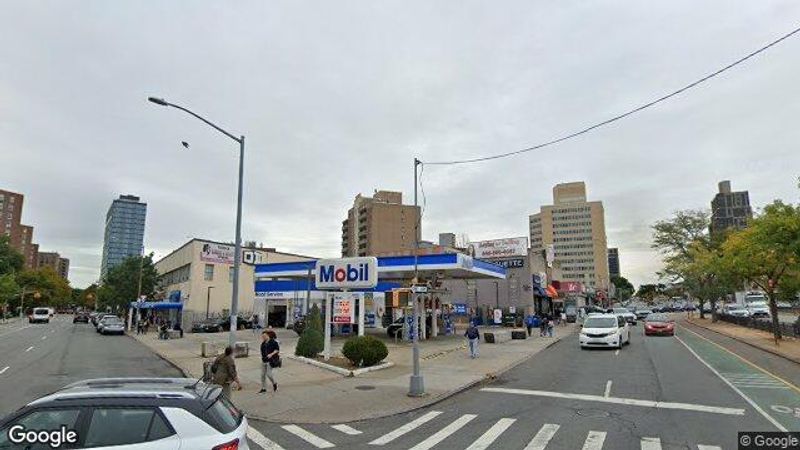
Rego Park sits in central Queens, bounded roughly by the Long Island Expressway to the north, Woodhaven Boulevard to the east, Yellowstone Boulevard toward Forest Hills, and Queens Boulevard cutting through its spine. It developed in the 1920s on the former Hopedale Hall Golf Course, with the name derived from the Real Good Construction Company, which built the original rowhouses.
The neighborhood grew as a solidly middle-class enclave, drawing waves of Eastern European, Bukharian Jewish, and later Central Asian and Chinese residents. Queens Boulevard functions as its commercial backbone, lined with mid-rise apartment towers, while the residential side streets retain a quieter, brick-rowhouse character reminiscent of postwar Queens planning.
Today Rego Park reads as unglamorous but functional — a residential-first neighborhood without the tourist gloss of Manhattan, yet minutes from it by subway. Our team in New York finds this appeals to clients who want practical urban living, strong rental demand, and none of the premium pricing attached to Forest Hills or Long Island City next door.
The Housing Stock
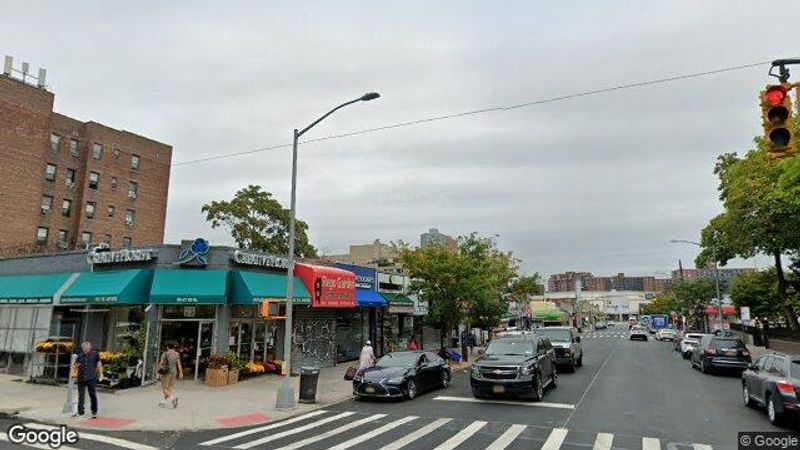
Rego Park's built environment splits into two eras: the 1925–1940 brick rowhouses and low-rise co-ops on interior streets like Wetherole and Booth, and the postwar high-rises along Queens Boulevard. Buildings such as The Cliffs, Sanford Court, and the Executive Towers at 96-05 Horace Harding Expressway represent the mid-century co-op boom of the 1960s.
The Woodhaven corridor and areas near Rego Park Center (formerly Alexander's site) added larger doorman rentals and condos from the 1990s onward, including newer builds near 63rd Drive. Unit types run from studios and one-bedrooms in prewar co-ops to family-sized three- and four-bedroom apartments in the Queens Boulevard towers, many with balconies and river or city skyline views.
Ownership is dominated by co-ops, meaning board approval and flip taxes matter for buyers, while newer rental towers offer more flexible international transactions. Our licensed brokerage network sources both categories, but co-op board process should be budgeted at four to eight weeks — longer than a straightforward condo closing elsewhere in Queens.
Prices and Rents
As of early 2026, co-op resale prices in Rego Park run approximately $280,000 to $520,000 for one-bedrooms and $450,000 to $750,000 for two-bedrooms, figures subject to market conditions and building maintenance fees. Condos, being scarcer, command a premium — typically 15-20% above comparable co-op units, reflecting fewer board restrictions.
Rentals remain the more active segment for international owners. Studios average $1,900 to $2,300 monthly, one-bedrooms $2,300 to $2,900, and two-bedrooms $2,800 to $3,600, again approximate and season-dependent. Compared with Forest Hills or Long Island City, Rego Park offers meaningfully lower entry prices for similar square footage and subway access.
| Unit Type | Sale Price (Co-op/Condo) | Monthly Rent | Comparable Forest Hills Rent |
|---|---|---|---|
| Studio | $210,000 - $340,000 | $1,900 - $2,300 | $2,300 - $2,700 |
| 1-Bedroom | $280,000 - $520,000 | $2,300 - $2,900 | $2,700 - $3,300 |
| 2-Bedroom | $450,000 - $750,000 | $2,800 - $3,600 | $3,400 - $4,200 |
| 3-Bedroom | $620,000 - $980,000 | $3,600 - $4,800 | $4,200 - $5,500 |
Approximate Rego Park sale and rental prices, early 2026 (subject to market conditions)
Maintenance and common charges in older co-ops can run $900 to $1,600 monthly depending on building amenities and underlying mortgage, which materially affects net yield calculations for investors. Our team in New York always models these carrying costs against comparable rents before recommending a purchase to overseas buyers focused on total return rather than headline price alone.
Daily Life and Transit
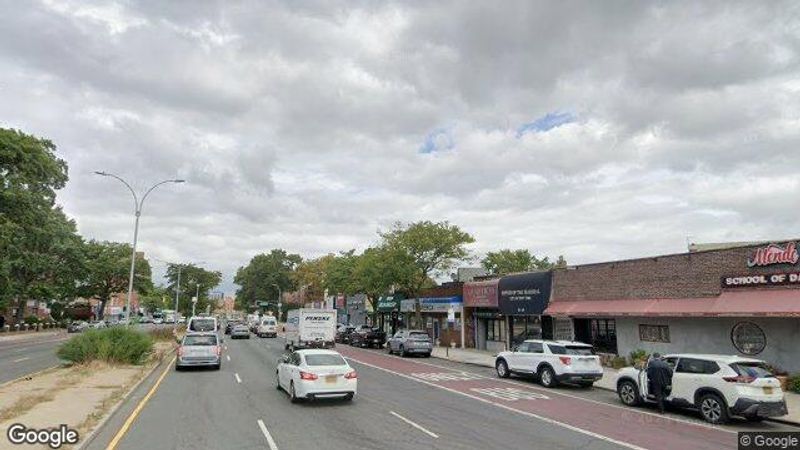
Transit access is Rego Park's strongest practical asset. The M and R trains stop at 63rd Drive-Rego Park and Woodhaven Boulevard, delivering riders to Midtown Manhattan in roughly 30-35 minutes. The LIE (Long Island Expressway) and Queens Boulevard also make car access to JFK and LaGuardia airports comparatively straightforward, under 25 minutes in normal traffic.
Grocery and daily needs are well served by Rego Park Center, anchored by Century 21 and various supermarkets, plus the Bukharian and Central Asian food shops along 108th Street known locally for kosher and Uzbek cuisine. Public schools feed into District 28, with P.S. 174 and Forest Hills High School among zoned options nearby.
| Category | Name/Line | Distance/Time | Notes |
|---|---|---|---|
| Subway | M/R at 63rd Drive-Rego Park | 0-10 min walk | ~30-35 min to Midtown |
| Subway | M/R at Woodhaven Boulevard | 0-10 min walk | Serves eastern Rego Park |
| Park | Forest Park | 5-15 min walk/drive | Golf, trails, carousel |
| Shopping | Rego Park Center | Central location | Century 21, supermarkets |
| Airport | LaGuardia/JFK via LIE | 20-25 min drive | Traffic-dependent |
Key transit and lifestyle reference points in Rego Park
Green space comes via Forest Park to the south, offering trails, a golf course, and a carousel, alongside smaller local spots like Rego Park's own Ketcham Playground. Our team in New York generally rates daily-life convenience here above average for outer-borough Queens, thanks to the density of transit lines converging along Queens Boulevard.
Final Thoughts
Rego Park suits buyers and renters who prioritize transit efficiency and value over prestige addresses. It works well for international investors seeking stable rental demand from a diverse, working professional tenant base, and for families wanting more space than Manhattan offers at a fraction of the cost per square foot.
It is less suited to clients expecting doorman luxury, waterfront views, or a defined nightlife scene — those buyers should look toward Long Island City or Forest Hills instead. Co-op board scrutiny also means this is not the fastest market for closing a transaction quickly without proper documentation and patience.
For patient, value-oriented buyers focused on long-term rental yield and practical commuting, Rego Park remains one of Queens' more underrated options in 2026. Our team in New York, working through our licensed brokerage network, can walk international clients through co-op board packages, financing nuances, and building-specific due diligence before committing capital.
Reinvent NY provides business consulting, operational support, and coordination services. Real estate services are provided through licensed professionals and applicable brokerage relationships. This article is for informational purposes only and does not constitute legal or investment advice.
Nearby neighbourhoods: Ridgewood, Rockaway Beach, Sunnyside. All Queens guides are indexed under New York neighbourhood guides.

Satoshi Onodera
Founder & CEO, Reinvent NY Inc.
Founded Reinvent NY in 2024. Providing relocation support from all over the world to America.
Ready to Get Started?
Our team in New York is ready to help with your visa, real estate, or relocation needs.
Schedule a ConsultationFrequently Asked Questions
Is Rego Park a good area for international buyers?
Yes, particularly for those seeking rental yield and transit access rather than prestige. Co-op board approval requires documentation, so our team in New York recommends early preparation of financial records to avoid delays during the purchase process.
What subway lines serve Rego Park?
The M and R trains stop at 63rd Drive-Rego Park and Woodhaven Boulevard, connecting to Midtown Manhattan in roughly 30-35 minutes. Both lines run along Queens Boulevard, making most of the neighborhood a short walk from a station.
Are most Rego Park apartments co-ops or condos?
Co-ops dominate, particularly in prewar rowhouses and mid-century Queens Boulevard towers. Condos exist but are scarcer, generally commanding a 15-20% premium since they carry fewer board restrictions and offer more flexibility for international buyers.
How do Rego Park prices compare to Forest Hills?
Rego Park runs noticeably lower, with one-bedroom co-ops starting around $280,000 versus higher entry points in Forest Hills. Rents follow the same pattern, making Rego Park a value-focused alternative just one or two subway stops away.
What schools serve the Rego Park area?
Rego Park falls within District 28, zoned schools including P.S. 174 and Forest Hills High School. Families should verify current zoning boundaries directly with the Department of Education, as assignments can shift year to year.
Is Rego Park walkable and well-served by shops?
Yes. Queens Boulevard and Rego Park Center provide supermarkets, retail, and dining, while 108th Street offers specialty Bukharian and Central Asian food shops. Daily errands rarely require a car, though many residents keep one for regional travel.
What carrying costs should buyers expect in Rego Park co-ops?
Monthly maintenance typically runs $900 to $1,600 depending on the building's amenities and underlying mortgage, figures subject to change. Our team in New York factors these costs into every yield calculation before recommending a purchase.
Real Estate Guides & Data
More guides
- Marketing an Apartment: The Listing's Craft
- Reading NYC Market Reports: Data Without the Spin
- Moving Into a NYC Building: Movers, Rules, and COIs
- Buying New Development: The Costs Sponsors Shift to You
- Renting in New York: What It Costs and How Approval Works
- Owning Through Cycles: The Holder's Playbook
Related Articles
Off-Market Properties NYC: How Quiet Deals Work
How off-market properties work in NYC: what quiet and whisper listings are, where the inventory comes from, what it does to price, and the red flags to avoid.
Lantern House: Heatherwick's Bay Windows on the High Line
Heatherwick Studio's Lantern House straddles the High Line with bubbled bay windows in two towers. What it offers a buyer, and what to confirm first.
100 Eleventh Avenue: Jean Nouvel's Window Wall
Jean Nouvel's 100 Eleventh Avenue set 1,650 differently angled panes into one facade. What that building offers a buyer, and what to confirm first.
Forest Hills NYC Real Estate Guide 2026
An authoritative 2026 guide to Forest Hills, Queens: housing stock, prices, rents, transit, and schools for international buyers and renters.