Rockaway Beach Queens Real Estate Guide 2026
What Rockaway Beach Actually Is — Boundaries, Character, How It Got Here
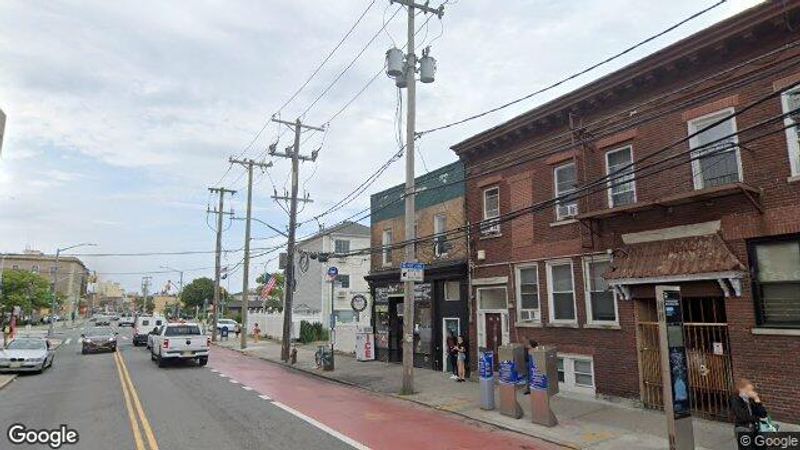
Rockaway Beach occupies the central stretch of the Rockaway peninsula in Queens, roughly from Beach 108th Street down to Beach 126th Street, bounded by the Atlantic Ocean to the south and Jamaica Bay to the north. Our team in New York treats it as distinct from Belle Harbor and Arverne, its quieter neighbors, though all three share the same narrow, exposed geography.
The area developed as a seaside resort in the late 1800s, boomed with bungalow colonies and amusement piers through the mid-20th century, then declined for decades before Hurricane Sandy in 2012 forced a rebuild. That rebuild, paired with the surf culture that took hold in the 2010s, gave Rockaway Beach its current identity: part working-class enclave, part surf town.
Today the character is unmistakably informal — boardwalk taco stands, surf shops on Beach 116th Street, and a housing stock that ranges from modest attached homes to newer resilient construction. It reads less like Manhattan and more like a detached beach community that happens to sit within city limits, forty minutes from Midtown by subway on a good day.
The Housing Stock — Buildings, Eras, Unit Types
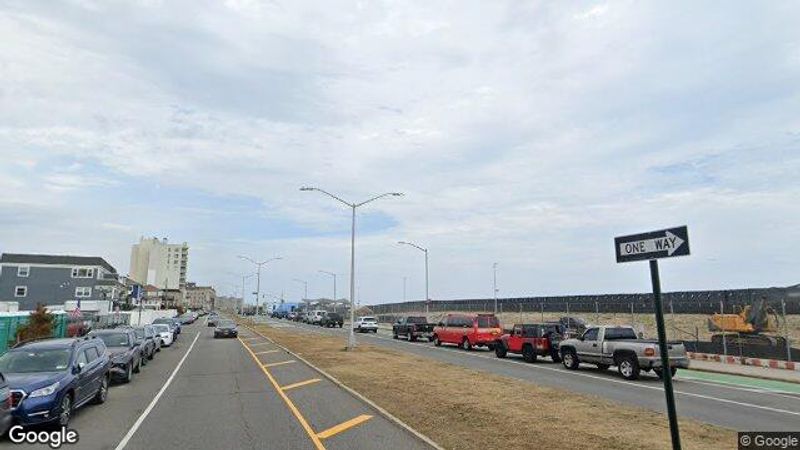
Most of Rockaway Beach's residential fabric consists of attached and semi-detached two- and three-family homes, many dating to the 1920s bungalow-and-brick era, concentrated along streets like Beach 113th to Beach 116th. Single-family bungalows, some winterized and expanded, survive in pockets near Beach 108th Street, prized by buyers seeking a genuine beach-cottage feel rather than a co-op tower.
Post-Sandy resilience rebuilding introduced a wave of elevated new construction, particularly along Rockaway Beach Boulevard and the numbered streets closer to the ocean, with raised foundations, flood-vent crawlspaces, and modern multi-family layouts replacing damaged older stock. There are no prewar luxury co-ops here; this is overwhelmingly a low-rise, fee-simple market rather than a condo-board one.
Condominium development remains limited but growing, with small boutique buildings of six to twenty units appearing near the boardwalk over the past decade, aimed at second-home buyers and surf-oriented renters. Buyers should expect flood insurance requirements, co-op boards are essentially absent, and title and elevation certificates matter more here than building pedigree or architect name recognition.
Prices and Rents — Concrete Numbers
As of early 2026, purchase prices in Rockaway Beach remain notably lower than comparable coastal property in other US beach markets, though they have risen steadily since the post-Sandy rebuild. Attached two-family homes typically trade between $650,000 and $950,000, while renovated single-family bungalows near the ocean can reach $1.1 million to $1.4 million, all figures approximate and subject to market conditions.
Rental demand spikes seasonally, with summer short-term rates far exceeding year-round leases; a one-bedroom apartment averages $2,200 to $2,800 monthly on an annual lease, while summer weekly rentals near the boardwalk can command $2,500 to $4,000 per week. Our licensed brokerage network reports tightening inventory each spring as surf-season demand outpaces the modest year-round supply.
| Neighborhood | Median Sale Price | 1BR Monthly Rent | Typical Unit Type |
|---|---|---|---|
| Rockaway Beach | $750,000–$950,000 | $2,200–$2,800 | Two-family attached |
| Belle Harbor | $1.1M–$1.6M | $2,600–$3,200 | Single-family detached |
| Arverne | $650,000–$850,000 | $2,000–$2,500 | New construction low-rise |
| Long Beach, LI | $800,000–$1.1M | $2,400–$3,000 | Condo/co-op mix |
| Astoria, Queens | $700,000–$900,000 | $2,900–$3,500 | Prewar/postwar co-op |
Approximate 2026 price and rent comparison (figures indicative, subject to market conditions)
Compared with Manhattan or even Long Beach, Long Island, Rockaway Beach offers meaningfully lower entry costs, though buyers should budget for flood insurance premiums and potential capital costs tied to elevation compliance. The table below situates Rockaway Beach against nearby and comparable markets for context.
Daily Life and Transit — Subway, Commute, Groceries, Schools, Parks
Rockaway Beach is served primarily by the A train, running via the Rockaway Park Shuttle branch to the Rockaway Park–Beach 116th Street terminal, with connections to the main A line toward Manhattan. Peak commute times to Fulton Street run roughly 55 to 70 minutes; a seasonal ferry to Wall Street and Midtown cuts that to about 45 minutes in summer months.
Daily life centers on the boardwalk, Jacob Riis Park to the west, and Fort Tilden's dunes and trails for those wanting open space beyond sand. Grocery options are limited locally, with residents often driving to larger supermarkets in Far Rockaway or Broad Channel; smaller markets along Rockaway Beach Boulevard cover essentials but not full weekly shopping.
| Category | Detail | Approx. Time/Distance |
|---|---|---|
| Subway | A train (Rockaway Park Shuttle branch) | 55–70 min to Fulton St, Manhattan |
| Ferry (seasonal) | NYC Ferry Rockaway route to Wall St/Midtown | 45–60 min |
| Beach access | Boardwalk, Beach 90th–116th St | 0–5 min walk |
| Major park | Jacob Riis Park / Fort Tilden | 10–15 min drive or bus |
| Grocery | Full supermarkets in Far Rockaway | 10–15 min drive |
Transit and lifestyle snapshot for Rockaway Beach (2026)
Public schools serving the area fall under the New York City Department of Education, with P.S. 42 and P.S. 105 among nearby elementary options; families seeking private or specialized schooling generally look toward Manhattan or western Queens. The lifestyle is outdoor-first, seasonal in rhythm, and best suited to those comfortable trading urban convenience for beach access.
Final Thoughts
Rockaway Beach suits buyers and renters drawn to genuine seaside living within New York City's boundaries — those who value surf culture, boardwalk life, and a slower, seasonal rhythm over dense urban convenience. It also appeals to investors eyeing short-term summer rental yields, given the strong seasonal rate premium documented above relative to year-round leases.
It does not suit buyers requiring year-round retail density, extensive private schooling options nearby, or fast, frequent transit; the single subway branch and limited grocery infrastructure are real constraints, not minor inconveniences. Those prioritizing co-op board prestige or prewar architectural pedigree should look toward Manhattan or brownstone Brooklyn instead.
For the right buyer, though, Rockaway Beach delivers something increasingly rare in this city: actual beachfront property at a fraction of comparable coastal pricing elsewhere. Our team in New York recommends a site visit across both summer and winter before committing, since the neighborhood's character shifts dramatically with the season.
Reinvent NY provides business consulting, operational support, and coordination services. Real estate services are provided through licensed professionals and applicable brokerage relationships. This article is for informational purposes only and does not constitute legal or investment advice.
Nearby neighbourhoods: Sunnyside, Whitestone, Woodside. All Queens guides are indexed under New York neighbourhood guides.

Satoshi Onodera
Founder & CEO, Reinvent NY Inc.
Founded Reinvent NY in 2024. Providing relocation support from all over the world to America.
Ready to Get Started?
Our team in New York is ready to help with your visa, real estate, or relocation needs.
Schedule a ConsultationFrequently Asked Questions
Is Rockaway Beach a good area for a second home in New York City?
Yes, particularly for buyers wanting genuine beach access without leaving city limits. Summer rental demand can offset holding costs, though owners should weigh seasonal vacancy, flood insurance costs, and limited off-season amenities before committing to a purchase.
How long is the subway commute from Rockaway Beach to Manhattan?
The A train via the Rockaway Park Shuttle branch typically takes 55 to 70 minutes to reach Fulton Street in lower Manhattan. A seasonal NYC Ferry route cuts that to roughly 45 to 60 minutes during summer.
Are there condominiums in Rockaway Beach, or mostly houses?
The market is overwhelmingly attached and semi-detached houses, plus some single-family bungalows. A small but growing number of boutique condo buildings near the boardwalk have appeared over the past decade, mostly six to twenty units.
What should buyers know about flood risk in Rockaway Beach?
Much of the neighborhood sits in FEMA flood zones following Hurricane Sandy. Flood insurance is generally required, and newer construction uses elevated foundations. Our licensed brokerage network always recommends reviewing elevation certificates before purchase.
How do Rockaway Beach prices compare to nearby Queens neighborhoods?
Prices remain lower than Belle Harbor and Astoria, with attached two-family homes typically between $650,000 and $950,000. Arverne, just east, runs slightly cheaper due to newer, less established construction stock.
Is Rockaway Beach walkable for daily errands?
Partially. Beach 116th Street offers cafes, surf shops, and small markets, but full grocery shopping usually requires a short drive to Far Rockaway. Most residents rely on cars for errands beyond the immediate boardwalk area.
What time of year is best to visit before buying in Rockaway Beach?
We recommend visiting in both peak summer and mid-winter. The neighborhood transforms dramatically between crowded, vibrant summer months and a quieter, more residential off-season, and both should inform a purchase decision.
Real Estate Guides & Data
More guides
- US Real Estate Investing: Yields, Taxes and How to Buy
- Walk-Up vs Doorman Buildings: The Service Premium
- 1031 Exchanging Into NYC: Trading Up to Manhattan
- Assessed vs Market Value: Why the City's Number Differs
- Co-op to Condo Conversion: Why Buildings Rarely Switch
- Buying a US Property Without Flying In
Related Articles
740 Park Avenue: The Hardest Building to Buy Into
740 Park Avenue is Rosario Candela's 1930 cooperative and the most selective address in New York. What it is, and why an overseas buyer will not get in.
Jamaica Queens Real Estate Guide 2026
An authoritative 2026 guide to buying and renting in Jamaica, Queens — housing stock, prices, transit, and who this neighborhood truly suits.
The San Remo: Emery Roth's Twin Towers on the Park
The San Remo gave Central Park West its twin-tower silhouette in 1930. What Emery Roth built, and what an overseas buyer needs to know about it.
Maspeth Queens Real Estate Guide
What Maspeth in Queens costs in 2026: the boundaries, the housing stock, sale and rent ranges, how residents commute, and what a buyer should check first.