Whitestone Queens Real Estate Guide 2026
What Whitestone Actually Is — Boundaries, Character, How It Got Here
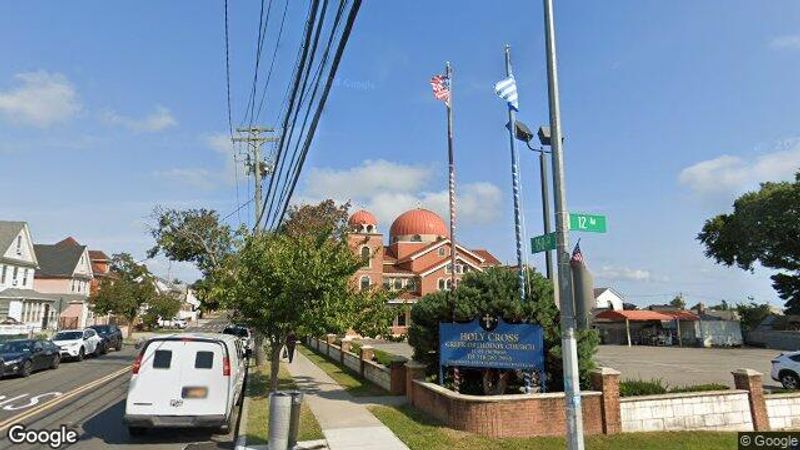
Whitestone sits in northeastern Queens, bounded by the East River and Long Island Sound to the north, Beechhurst to the east, Flushing to the south, and College Point to the west. It is a low-density, largely residential enclave that reads more like a suburb than a Manhattan-adjacent neighborhood, despite its proximity to the city core.
The area developed in the late 19th century around ferry landings and a lime-processing trade that gave the neighborhood its name, from white limestone deposits along the shore. Postwar suburbanization in the 1950s and 1960s brought the single-family housing stock that still defines it, attracting Italian, Greek, and later Chinese and Korean families.
Today Whitestone is known for quiet, tree-lined streets, strong homeownership rates, and a distinctly residential rhythm. It appeals to buyers seeking space and privacy rather than nightlife or density, with the Whitestone Bridge and Cross Island Parkway anchoring its geography and reinforcing its car-oriented, family-first character.
The Housing Stock — Specific Buildings, Architects, Eras, Unit Types
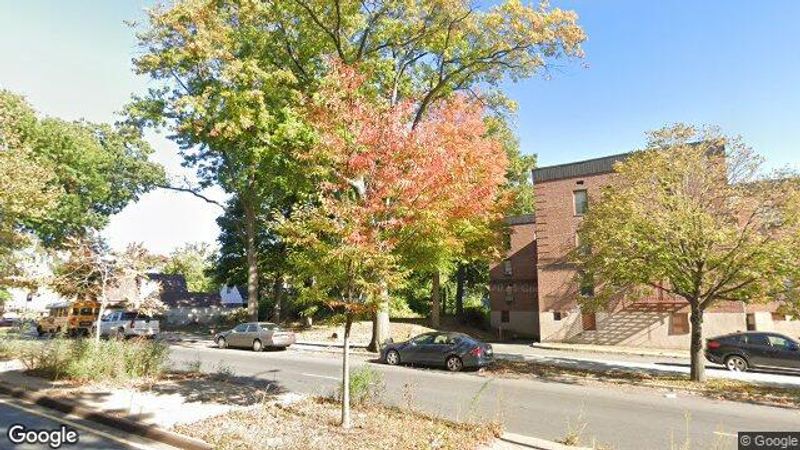
Whitestone's housing stock is dominated by detached single-family homes, many built between the 1920s and 1960s in Colonial, Cape Cod, and split-level styles. Streets around 149th Street and 14th Avenue feature well-kept brick and clapboard houses on generous lots, often with driveways and private yards, a rarity this close to Manhattan.
Multi-family product is limited but present, including postwar garden apartment complexes along Utopia Parkway and 20th Avenue, typically two- and three-story brick buildings with six to twenty units. Newer construction has introduced modest condominium developments near Francis Lewis Park and along 154th Street, offering two- and three-bedroom layouts aimed at families upgrading from co-ops in Flushing.
True luxury towers are absent here; the market instead rewards buyers who want land and square footage over amenities and doorman service. Renovated mid-century homes with updated kitchens and finished basements command premiums, while original-condition properties attract buyers planning ground-up renovations or additions.
Prices and Rents — Concrete Numbers
As of early 2026, single-family homes in Whitestone trade approximately between $850,000 and $1.6 million depending on lot size, condition, and proximity to the waterfront, with prime streets near Powells Cove Boulevard commanding the top end. These figures are approximate and subject to market conditions.
Condominiums and co-ops are scarcer but generally more accessible, with two-bedroom units listing approximately between $450,000 and $700,000. Rental demand centers on house shares and apartments carved from private homes, alongside a small stock of purpose-built rentals, giving tenants fewer choices than in denser Queens neighborhoods.
| Neighborhood | Median Home Sale Price | 2BR Rent (Monthly) | Price Trend |
|---|---|---|---|
| Whitestone | $1,050,000 | $2,600–$3,100 | Stable |
| Bayside | $1,100,000 | $2,700–$3,300 | Rising |
| Flushing | $780,000 | $2,300–$2,900 | Stable |
| Beechhurst | $1,300,000 | $2,900–$3,600 | Rising |
| College Point | $820,000 | $2,200–$2,700 | Stable |
Approximate Whitestone prices and rents versus nearby Queens neighborhoods, early 2026
Compared with neighboring Bayside and Flushing, Whitestone sits in the middle for sale prices but offers noticeably lower rental inventory. Overseas buyers should weigh liquidity carefully, since resale pools are smaller and transaction timelines can run longer than in high-turnover Manhattan or Long Island City markets.
Daily Life and Transit — Subway Lines, Commute Times, Groceries, Schools, Parks
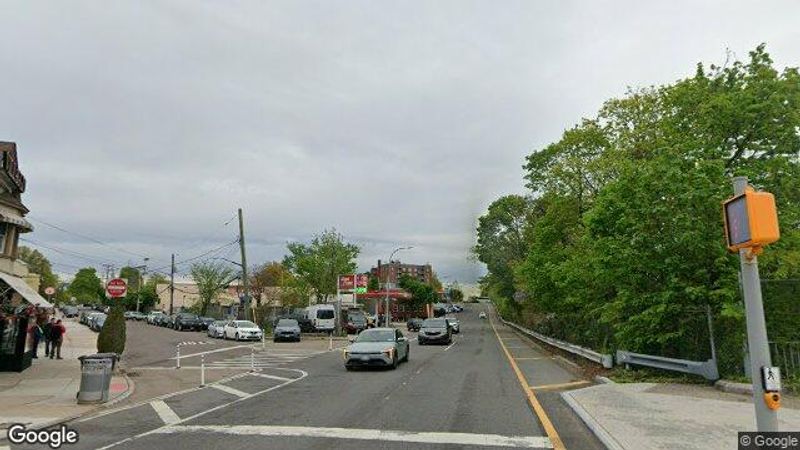
Whitestone has no subway line running directly through it; residents rely on the Q15, Q15A, and Q20 buses connecting to the 7 train at Flushing–Main Street, roughly a 15 to 20 minute ride. Express buses such as the QM2 and QM32 run directly to Midtown Manhattan, taking approximately 45 to 60 minutes depending on traffic.
Daily life centers on 14th Avenue and Utopia Parkway, where independent grocers, Asian supermarkets, and family-run restaurants cluster. Schools include PS 79 Francis Lewis and PS 193, alongside private options like Northside Catholic Academy, drawing families prioritizing school quality over subway access.
| Destination | Transit Option | Approximate Time | Notes |
|---|---|---|---|
| Flushing–Main St (7 train) | Q15/Q20 bus | 15–20 min | Frequent daytime service |
| Midtown Manhattan | QM2/QM32 express bus | 45–60 min | Traffic-dependent |
| LaGuardia Airport | Car/taxi | 15–20 min | Via Whitestone Expressway |
| JFK Airport | Car/taxi | 35–45 min | Via Van Wyck Expressway |
| Downtown Flushing | Q15/Q20 bus or car | 10–15 min | Retail and grocery hub |
Approximate commute and transit options from Whitestone
Green space is a genuine strength: Francis Lewis Park offers East River waterfront views directly beneath the Whitestone Bridge, while Whitestone Ballfields and the nearby Bayside greenways serve active households. This access to open space, paired with quieter streets, is central to the neighborhood's appeal for families.
Final Thoughts
Whitestone suits buyers who want suburban space within New York City limits: families prioritizing schools, private yards, and waterfront parks over walkability or nightlife. It is well suited to those planning a longer hold horizon and comfortable relying on buses and cars rather than subway access.
It is a poor fit for buyers who want dense urban amenities, doorman buildings, or rapid resale liquidity, since inventory turns slowly and the multi-family stock is limited. Investors seeking rental yield may find stronger options in Flushing or Long Island City instead.
Our team in New York regularly guides overseas clients through Whitestone's private housing market, coordinating inspections, valuations, and closings through our licensed brokerage network. For buyers who value quiet residential living with genuine waterfront access, Whitestone remains one of Queens' most underappreciated corners in 2026.
Reinvent NY provides business consulting, operational support, and coordination services. Real estate services are provided through licensed professionals and applicable brokerage relationships. This article is for informational purposes only and does not constitute legal or investment advice.
Nearby neighbourhoods: Woodside, Astoria, Bayside. All Queens guides are indexed under New York neighbourhood guides.

Satoshi Onodera
Founder & CEO, Reinvent NY Inc.
Founded Reinvent NY in 2024. Providing relocation support from all over the world to America.
Ready to Get Started?
Our team in New York is ready to help with your visa, real estate, or relocation needs.
Schedule a ConsultationFrequently Asked Questions
Is Whitestone a good area for families relocating to New York?
Yes. Whitestone offers larger homes, private yards, and access to schools like PS 79 Francis Lewis, making it attractive to families prioritizing space and quiet streets over proximity to subway lines or nightlife.
Does Whitestone have subway access?
No subway line runs directly through Whitestone. Residents use the Q15, Q15A, and Q20 buses to reach the 7 train at Flushing–Main Street, or express buses like the QM2 for direct Manhattan service.
What types of homes are available in Whitestone?
The stock is dominated by detached single-family Colonial, Cape Cod, and split-level houses from the mid-20th century, plus scattered postwar garden apartments and a small number of newer condominium developments.
How do Whitestone prices compare to Bayside or Flushing?
Whitestone sits roughly between the two: pricier and more suburban than Flushing, slightly below Bayside, and with less rental inventory than either, according to approximate 2026 market figures.
Is Whitestone a good rental investment for overseas buyers?
It is a modest choice. Rental inventory is limited and turnover is slow compared with Flushing or Long Island City, so investors seeking strong rental yield may find better options elsewhere in Queens.
What is the commute like from Whitestone to Manhattan?
Expect approximately 45 to 60 minutes via express bus (QM2, QM32) depending on traffic, or roughly 30 to 40 minutes combining a local bus with the 7 train from Flushing–Main Street.
What are the main attractions of living in Whitestone?
Waterfront access at Francis Lewis Park, quiet tree-lined streets, strong homeownership rates, and family-oriented schools are the primary draws, alongside proximity to the Whitestone Bridge and Long Island Sound.
Real Estate Guides & Data
More guides
- US Property in Retirement Planning: The Long Hold's End
- FIRPTA and Seller Costs: What a Foreign Owner Actually Nets
- NYC Sponsor Units: Buying Without Board Approval
- The 183-Day Rules: Tax Residency by the Calendar
- US Metro Comparison: Price, Rent, Yield and Growth
- Vacancy and Turnover: The Cost Between Tenants
Related Articles
Ridgewood Queens Real Estate Guide 2026
A concrete 2026 guide to buying and renting in Ridgewood, Queens: prices, buildings, transit, and honest advice from our team on the ground in New York.
The Dakota: New York's First Luxury Apartment House
The Dakota opened in 1884 and set the template for Manhattan apartment living. What the building is, and why an overseas buyer rarely gets in.
15 Hudson Yards: The Tower Beside the Shed
15 Hudson Yards rises from a square base into a curved four-lobed tower beside the Shed. What the building offers a buyer, and what to confirm first.
Douglaston Queens Real Estate Guide 2026
An authoritative 2026 guide to buying and renting in Douglaston, Queens: housing stock, prices, transit, schools, and who this neighborhood truly suits.