Woodside Queens Real Estate Guide 2026
What Woodside actually is — boundaries, character, how it got here
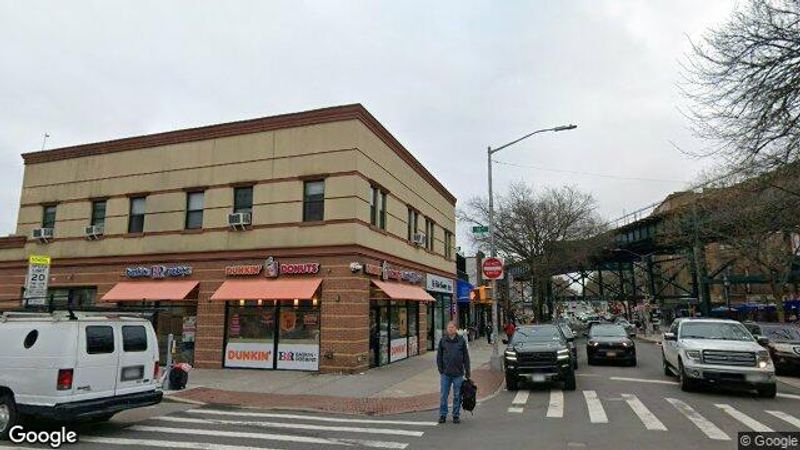
Woodside sits in western Queens, bounded roughly by Northern Boulevard, the Long Island Expressway, and the Sunnyside rail yards. Our team in New York considers it one of the borough's most stable, unglamorous-in-a-good-way neighborhoods — a working and middle-class enclave that has quietly resisted the speculative churn seen closer to Manhattan, while still sitting minutes from it.
The area developed in the early 20th century around the elevated 7 train, filling with modest frame houses and brick rowhouses for Irish, German, and later Filipino and Latin American families. That layered immigrant history is still visible on Roosevelt Avenue and 61st Street, where the neighborhood functions as a genuine mixed-income, mixed-generation community rather than a curated destination.
For overseas buyers, the appeal is authenticity paired with proximity — Woodside is not marketed as a lifestyle brand, which keeps pricing more rational than in Long Island City or Astoria. It's a neighborhood for people who want real New York texture, a manageable commute, and durable rental demand rather than trend-driven appreciation.
The housing stock — specific buildings, architects, eras, unit types
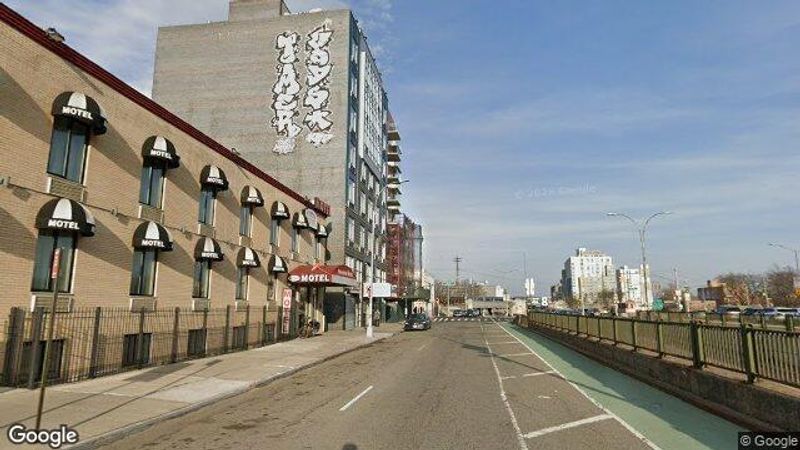
Woodside's housing is dominated by pre-war multifamily buildings and detached or semi-detached one- and two-family homes, many dating to the 1920s–1940s. Streets like 39th Avenue, 58th Street, and 61st Street carry rows of brick two-families with private driveways, a rarity this close to Manhattan, alongside scattered six-story elevator buildings from the same era.
Notable stock includes the Woodside Houses, a NYCHA development near Roosevelt Avenue, and mid-century co-op buildings along Woodside Avenue and 61st Street offering one- and two-bedroom co-op units with maintenance fees rather than condo common charges. Newer construction is limited but growing, with small-scale condo buildings replacing single-family lots near 61st Street–Woodside station.
Unit types skew toward two- and three-bedroom homes and modest co-op apartments rather than glass-tower condos, which suits buyers seeking rental income from established two-family properties. Our licensed brokerage network can walk overseas clients through co-op board requirements, which remain more restrictive here than in newer condo developments elsewhere in Queens.
Prices and rents — concrete numbers, with a comparison table
Woodside remains one of the more accessible entry points into western Queens. Approximate 2026 figures, subject to market conditions, show one-bedroom co-ops trading from roughly $280,000 to $420,000, while two-family homes on quiet residential blocks range from about $850,000 to $1.3 million depending on lot size and condition.
Rentals track the borough's tightening supply: a one-bedroom typically runs $2,000–$2,600 per month, with two-bedrooms reaching $2,800–$3,400. Compared with Long Island City or Astoria, Woodside offers a meaningful discount for buyers and renters willing to trade waterfront views and doorman buildings for space, quieter streets, and lower entry costs.
| Neighborhood | 1BR Rent (monthly) | Co-op 1BR Purchase | 2-Family Home Purchase |
|---|---|---|---|
| Woodside | $2,000–$2,600 | $280,000–$420,000 | $850,000–$1,300,000 |
| Astoria | $2,400–$3,100 | $350,000–$500,000 | $1,100,000–$1,600,000 |
| Long Island City | $3,200–$4,200 | $550,000–$800,000 | N/A (condo-dominant) |
| Sunnyside | $2,200–$2,800 | $320,000–$450,000 | $950,000–$1,400,000 |
| Jackson Heights | $2,100–$2,700 | $300,000–$440,000 | $900,000–$1,350,000 |
Approximate Woodside prices and rents vs. nearby Queens neighborhoods, 2026 (subject to market conditions)
For income-focused buyers, Woodside's two-family houses deliver stronger relative rental yields than condo product in Long Island City, since land and structure costs remain lower per square foot. Our team routinely models projected cash flow against comparable Sunnyside and Jackson Heights properties before clients commit, since small pricing gaps between these markets shift year to year.
Daily life and transit — subway lines, commute times, groceries, schools, parks
Transit is Woodside's strongest asset: the elevated 7 train at 61st Street–Woodside and 52nd Street reaches Grand Central in roughly 20 minutes, while the LIRR Woodside station puts Penn Station and the new Grand Central Madison within 10–13 minutes, a genuine advantage for clients splitting time between Manhattan offices and Queens residences.
Daily life centers on Roosevelt Avenue's Filipino and Thai restaurants and grocers, plus Doughboy Plaza, and larger supermarkets along Woodside Avenue. Families rely on public schools including P.S. 11 and P.S. 152, alongside several well-regarded parochial options. Green space is modest but functional, anchored by Doughboy Park and easy access to Astoria Park to the north.
| Category | Detail | Approx. Time/Distance |
|---|---|---|
| Subway | 7 train, 61st St–Woodside | 20 min to Grand Central |
| Rail | LIRR Woodside station | 10–13 min to Penn Station |
| Groceries | Roosevelt Ave corridor | 5–10 min walk |
| Park | Doughboy Park | 5 min walk |
| Schools | P.S. 11, P.S. 152 | Within neighborhood |
Woodside daily-life and transit reference, 2026
Compared with Astoria or Sunnyside, Woodside trades some restaurant polish for faster, more direct commuter rail access, which matters for clients working in Midtown on a fixed schedule. It's a neighborhood built around practicality — reliable transit, functional retail, and community parks — rather than curated dining or nightlife destinations.
Final Thoughts
Woodside suits buyers who prioritize transit efficiency and value retention over prestige branding — particularly those purchasing two-family homes for rental income or families wanting more space than Manhattan or Long Island City can offer at comparable price points. Our team in New York consistently steers value-conscious international clients toward this corridor for exactly these reasons.
It is less suited to buyers seeking doorman condos, waterfront views, or a highly curated retail and dining scene; those clients are typically better served in Long Island City or western Astoria, where new construction and amenity-rich buildings dominate. Woodside's co-op stock also demands patience with board approval processes.
For those comfortable trading polish for substance and commute speed, Woodside offers durable fundamentals — strong transit, stable demand, and realistic entry pricing. Our licensed brokerage network can arrange private viewings and walk through co-op versus condo considerations in detail before any offer is made.
Reinvent NY provides business consulting, operational support, and coordination services. Real estate services are provided through licensed professionals and applicable brokerage relationships. This article is for informational purposes only and does not constitute legal or investment advice.
Nearby neighbourhoods: Astoria, Bayside, Corona. All Queens guides are indexed under New York neighbourhood guides.

Satoshi Onodera
Founder & CEO, Reinvent NY Inc.
Founded Reinvent NY in 2024. Providing relocation support from all over the world to America.
Ready to Get Started?
Our team in New York is ready to help with your visa, real estate, or relocation needs.
Schedule a ConsultationFrequently Asked Questions
Is Woodside a good investment for rental income?
Yes — two-family houses in Woodside typically deliver stronger relative rental yields than condo product in nearby Long Island City, given lower per-square-foot land costs and steady tenant demand near the 7 train and LIRR.
How far is Woodside from Manhattan?
The 7 train reaches Grand Central in about 20 minutes from 61st Street–Woodside, while the LIRR from Woodside station reaches Penn Station or Grand Central Madison in roughly 10–13 minutes, among the fastest commutes in Queens.
Are co-ops in Woodside difficult to purchase for overseas buyers?
Co-op boards can require financial documentation and interviews, and approval standards vary by building. Our licensed brokerage network helps international clients prepare board packages and identify buildings with more flexible approval histories.
What's the difference between Woodside and Sunnyside?
Sunnyside is slightly more residential and includes the landmarked Sunnyside Gardens; Woodside has more commercial density along Roosevelt Avenue and marginally lower average purchase prices for comparable co-op and two-family housing stock.
Does Woodside have good schools?
Woodside includes solid public options such as P.S. 11 and P.S. 152, plus several parochial schools. Families researching specific zoning should confirm current district assignments, as boundaries can shift year to year.
What types of properties dominate Woodside's market?
Pre-war brick two-family homes, mid-century co-op apartments, and a small but growing number of new condo buildings near the 61st Street–Woodside subway station make up most available inventory in 2026.
Is Woodside walkable and well-served by amenities?
Yes, particularly along Roosevelt Avenue and Woodside Avenue, which offer groceries, restaurants, and daily services within a short walk of most residential blocks, plus green space at Doughboy Park nearby.
Real Estate Guides & Data
More guides
- Tax Treaties and US Property: Avoiding Double Taxation
- Trusts and US Property: The Structures Behind the Names
- US Real Estate Investing: Yields, Taxes and How to Buy
- Walk-Up vs Doorman Buildings: The Service Premium
- 1031 Exchanging Into NYC: Trading Up to Manhattan
- Assessed vs Market Value: Why the City's Number Differs
Related Articles
Jackson Heights Real Estate Guide 2026
A 2026 buyer's guide to Jackson Heights, Queens: co-op prices, historic districts, transit, and rental yields for international investors and residents.
NYC Property Tax Appeal: How Certiorari Works
How a NYC property tax appeal works: assessment notices, Tax Commission deadlines by class, who files, what evidence matters, and what reductions are realistic.
Condo Special Assessments: What Buyers Must Know
What triggers a condo special assessment, how large the bills get, and the reserve-fund red flags to check in the financials before you buy or sell a unit.
One Manhattan Square: Scale on the Lower East Side
One Manhattan Square put over eight hundred residences on the East River waterfront. What buying in a building of that scale offers, and what to confirm first.