Astoria Queens Real Estate Guide 2026
What Astoria Actually Is
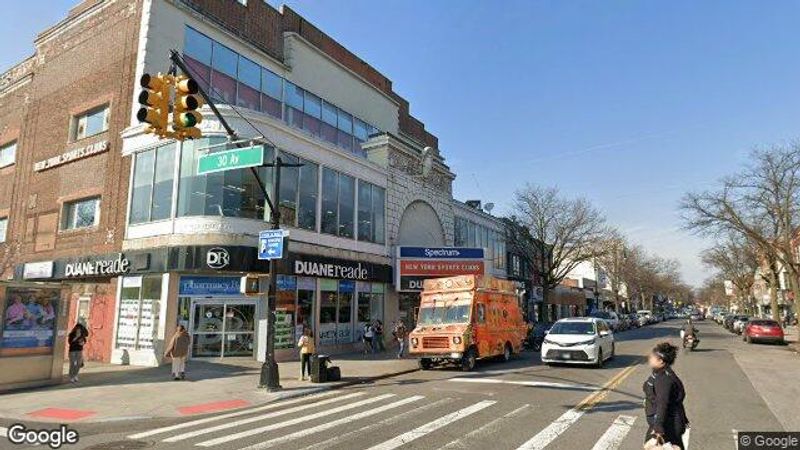
Astoria occupies the northwestern corner of Queens, bounded by the East River, Long Island City, Sunnyside, and Jackson Heights. Its western edge faces Manhattan directly across the water, with Astoria Park anchoring the riverfront beneath the Robert F. Kennedy and Hell Gate bridges. The neighborhood reads as low-rise, walkable, and residential.
Historically settled by Greek immigrants in the mid-20th century, Astoria has diversified into a genuinely international enclave, with strong Middle Eastern, Balkan, and Brazilian communities layered atop the original Greek core. Steinway Street and Broadway remain the commercial spines, dense with cafes, bakeries, and family-run groceries rather than chain retail.
In the past decade, rezoning along the waterfront and proximity to Long Island City's boom have drawn younger professionals and international buyers seeking Manhattan proximity without Manhattan pricing. Our team in New York sees Astoria today as a hybrid: old-world texture at street level, new-build towers rising near the water.
The Housing Stock
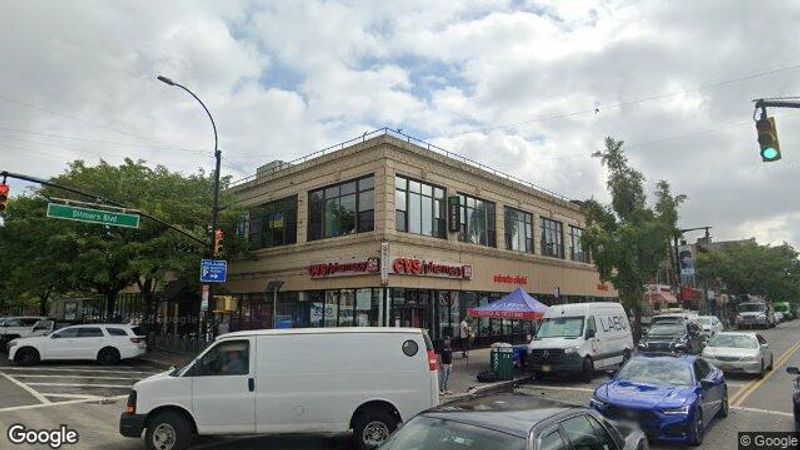
Astoria's core housing is pre-war: two- and three-story brick rowhouses, detached frame houses, and modest 1920s-30s apartment buildings of six to twelve units, common along streets like 30th Avenue and Ditmars Boulevard. These offer one- and two-bedroom layouts with high ceilings, though many lack elevators or in-unit laundry.
Newer development concentrates near the waterfront and along Astoria Boulevard, with mid-rise condominiums offering doorman service, gyms, and river views. Buildings such as Astoria Point on Vernon Boulevard's northern reach and various post-2015 developments near Socrates Sculpture Park represent the higher end of the new-construction inventory, typically studios through three-bedrooms.
Co-ops are less common here than in Manhattan; condos and rental buildings dominate. Buyers should expect prewar charm at a discount to new-build efficiency: thicker walls, larger rooms, but fewer amenities. Our licensed brokerage network can walk international clients through the trade-offs between a 1920s walk-up and a 2020s tower unit.
Prices and Rents
As of 2026, Astoria condo prices run approximately $650,000 to $1.1 million for one-bedrooms, with two-bedrooms often $950,000 to $1.6 million, subject to market conditions and building age. Waterfront new-construction commands a premium over interior prewar stock, sometimes by 20-30% per square foot.
Rentals remain more accessible than Manhattan or Long Island City. A one-bedroom in a prewar walk-up typically rents approximately $2,400 to $3,100 monthly, while amenitized new construction reaches $3,200 to $4,200. Studios start near $2,000. These figures fluctuate with seasonality and building amenities.
| Neighborhood | 1BR Purchase Price | 1BR Monthly Rent | 2BR Purchase Price |
|---|---|---|---|
| Astoria | $650,000–$1.1M | $2,400–$3,100 | $950,000–$1.6M |
| Long Island City | $800,000–$1.3M | $3,000–$3,800 | $1.2M–$1.9M |
| Upper East Side | $900,000–$1.6M | $3,200–$4,200 | $1.5M–$2.8M |
| Sunnyside | $500,000–$800,000 | $2,100–$2,700 | $750,000–$1.1M |
Approximate 2026 pricing comparison (subject to market conditions)
Compared to neighboring submarkets, Astoria offers meaningful savings without sacrificing subway access. The table below situates Astoria against Long Island City and the Upper East Side for context on relative value across purchase and rental categories.
Daily Life and Transit
Astoria is served by the N and W subway lines, running elevated along 31st Street with stops at Astoria Boulevard, 30th Avenue, Broadway, and the Ditmars Boulevard terminus. The M and R lines touch the neighborhood's southern edge. Manhattan's Midtown is roughly 20-25 minutes by subway from most stations.
Groceries range from Key Food and Trade Fair Supermarket to specialty Greek and Middle Eastern markets along Broadway and Steinway Street. Families gravitate to Astoria Park, with its running track, pool, and river views, plus smaller green spaces like Athens Square Park. Zoned schools include several well-regarded elementary options within District 30.
| Route/Mode | Key Stations | Approx. Commute to Midtown | Notes |
|---|---|---|---|
| N/W Subway | Astoria Blvd, 30th Ave, Broadway, Ditmars Blvd | 20-25 minutes | Elevated line along 31st St |
| NYC Ferry | Astoria Landing | 35-45 minutes | Scenic, weather-dependent |
| M/R Subway | Queens Blvd stations, southern Astoria | 25-30 minutes | Slower off-peak service |
| Car/Bridge | RFK Bridge, Hell Gate | 20-40 minutes | Highly variable with traffic |
Transit and commute reference points from Astoria
The neighborhood is genuinely walkable, with most daily errands achievable on foot. NYC Ferry service from the Astoria landing adds a scenic, if slower, commute option to Manhattan's East Side. Traffic congestion near the bridges can affect car commutes during peak hours.
Final Thoughts
Astoria suits buyers and renters seeking genuine neighborhood character, river views, and Manhattan-adjacent access at a meaningful discount to Long Island City or the East Side. Families drawn to walkability, parks, and a strong food culture will find the fundamentals solid, particularly along the 30th Avenue and Ditmars corridors.
It suits less well those requiring doorman luxury at scale, immediate Midtown proximity under fifteen minutes, or a fully modernized building stock; much of Astoria's charm is tied to its prewar bones, which come with older systems and fewer elevators.
For international clients balancing lifestyle and value, Astoria remains one of the more rational choices in western Queens. Our team in New York is well positioned to guide site visits, compare specific buildings, and coordinate with our licensed brokerage network on offers and lease negotiations.
Reinvent NY provides business consulting, operational support, and coordination services. Real estate services are provided through licensed professionals and applicable brokerage relationships. This article is for informational purposes only and does not constitute legal or investment advice.
Nearby neighbourhoods: Bayside, Corona, Douglaston. All Queens guides are indexed under New York neighbourhood guides.

Satoshi Onodera
Founder & CEO, Reinvent NY Inc.
Founded Reinvent NY in 2024. Providing relocation support from all over the world to America.
Ready to Get Started?
Our team in New York is ready to help with your visa, real estate, or relocation needs.
Schedule a ConsultationFrequently Asked Questions
Is Astoria a good investment for international buyers in 2026?
Yes, particularly for waterfront condos and prewar units near the N/W line. Prices remain below Long Island City while offering comparable subway access, making rental yield and appreciation potential attractive for patient, longer-horizon buyers.
What subway lines serve Astoria?
The N and W trains run elevated along 31st Street, with the M and R touching the southern edge. Most stations reach Midtown Manhattan in roughly 20-25 minutes, depending on time of day and station.
Are there luxury condo buildings in Astoria?
Yes, particularly along the waterfront near Astoria Boulevard and Vernon Boulevard's northern stretch, where mid-rise new construction offers doorman service, gyms, and river views, though the overall stock remains smaller than in Long Island City.
How do Astoria rents compare to Manhattan?
Astoria one-bedrooms rent approximately $2,400 to $3,100 monthly versus $3,200 to $4,200 on the Upper East Side, subject to market conditions. Buyers get comparable subway access at meaningfully lower monthly cost.
Is Astoria walkable and family-friendly?
Yes. Astoria Park, Athens Square Park, and a dense retail corridor along Broadway and Steinway Street support daily errands on foot. District 30 includes several well-regarded zoned elementary schools favored by local families.
What type of housing dominates Astoria?
Prewar brick rowhouses and small 1920s-30s apartment buildings dominate the interior blocks, while newer mid-rise condominiums concentrate near the waterfront. Co-ops are relatively uncommon compared to Manhattan neighborhoods.
How does Astoria compare to Long Island City for buyers?
Astoria offers lower purchase prices and rents with similar subway access via the N/W lines, but fewer high-rise luxury towers than Long Island City. It suits buyers prioritizing neighborhood character over skyline amenities.
Real Estate Guides & Data
More guides
- Branded Residences: What the Premium Actually Buys
- Buying a NYC Apartment for Your Child: Parents' Guide
- Choosing a US Market: Income, Growth or Liquidity
- Combining NYC Apartments: Two Units Into One Home
- Co-op Sublet Rules: Renting Out the Shares
- Depreciation on a US Rental: The 27.5 Years
Related Articles
Sunnyside Queens Real Estate Guide 2026
A 2026 buyer's and renter's guide to Sunnyside, Queens: boundaries, building stock, prices, transit, and schools, for international buyers and tenants.
130 William: David Adjaye's Tower in the FiDi
130 William brought hand-cast concrete and arched windows to the financial district. What Adjaye's tower offers a buyer, and what to confirm before an offer.
Long Island City Real Estate Guide 2026
An expert 2026 guide to buying and renting in Long Island City, Queens — buildings, prices, rents, transit, and honest advice from our New York team.
One Wall Street: An Art Deco Bank, Now Apartments
Ralph Walker's 1931 tower at One Wall Street became one of New York's largest office-to-residential conversions. What that offers, and what to confirm first.