Bayside Queens Real Estate Guide 2026
What Bayside Actually Is — Boundaries, Character, and How It Got Here
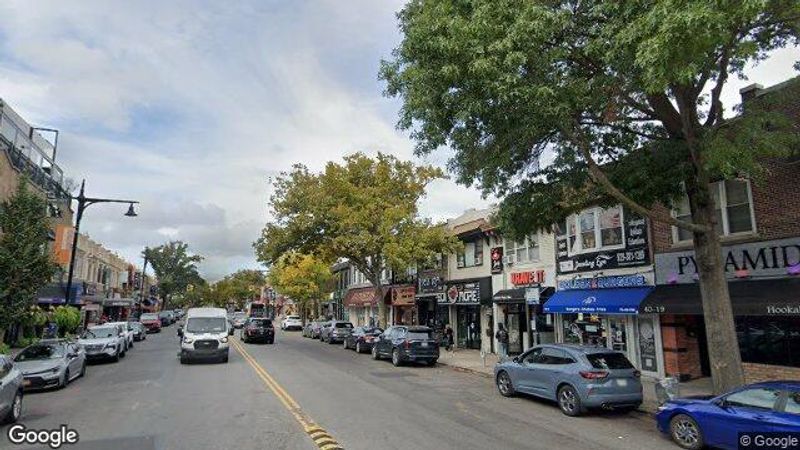
Bayside sits in northeastern Queens, bounded roughly by the Long Island Sound to the north, Auburndale to the west, Douglaston to the east, and Fresh Meadows to the south. It developed from farmland and summer estates into a streetcar suburb after the Long Island Rail Road arrived, then filled out with postwar housing through the 1950s and 60s.
The neighborhood retains a distinctly suburban rhythm inside city limits: tree-lined residential blocks, detached houses with driveways, and a low-rise commercial spine along Bell Boulevard. This contrast draws buyers who want New York City access without density, and it explains Bayside's enduring appeal to multigenerational families and professionals commuting into Manhattan.
Demographically, Bayside is one of Queens' most established Asian-American communities, particularly Korean and Chinese, alongside long-settled Greek, Italian, and Irish populations. This mix shapes the retail corridor, school demand, and religious institutions. Our team in New York consistently finds this stability — rather than trend-driven turnover — is what most reassures overseas buyers evaluating the area.
The Housing Stock — Buildings, Eras, and Unit Types
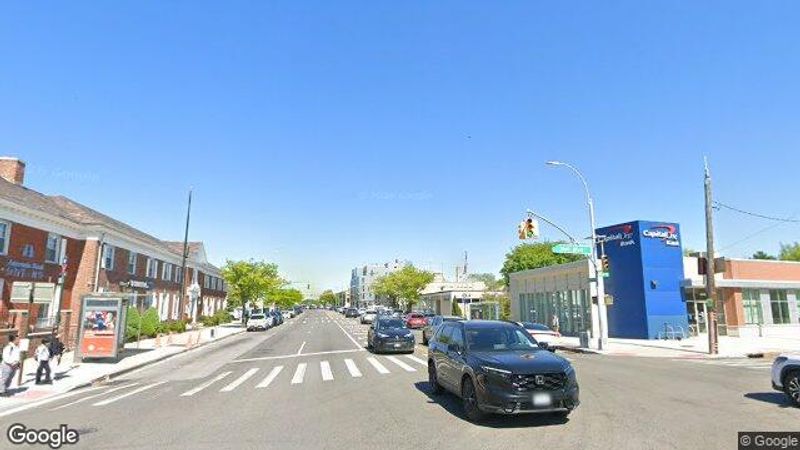
Bayside's housing splits into three eras: pre-war Tudor and Colonial Revival houses near Bell Boulevard and Corbett Road, postwar Cape Cods and split-levels built through the 1950s-60s in Bayside Hills and Oakland Gardens, and mid-rise co-ops and condos concentrated near the Bayside LIRR station and along Northern Boulevard.
Notable co-op buildings include The Bay Terrace cooperative complex near Fort Totten, a large 1960s development with garden-style layouts, and Bell Court Gardens, popular with buyers wanting elevator buildings and assigned parking. Newer condo development is limited; most recent construction has been smaller boutique buildings of 12-30 units rather than towers, reflecting the neighborhood's zoning and community resistance to density.
Single-family homes dominate buyer interest, particularly in Bayside Hills, a designated historic district with curved streets and mature trees laid out in the 1930s. Detached houses here run 2,000-3,500 square feet on lots of similar size. Renovation quality varies significantly by block, so our licensed brokerage network typically recommends a structural inspection before any offer is finalized.
Prices and Rents — What Things Actually Cost
Bayside pricing reflects its low-density character: land and detached houses carry a premium over comparable Queens co-op stock. As of early 2026, single-family homes in Bayside Hills and Bayside proper range broadly from $900,000 to $1.8 million depending on lot size, renovation, and proximity to the LIRR station, with figures approximate and subject to market conditions.
Co-op apartments remain the entry point for most international buyers, particularly one- and two-bedroom units in postwar buildings near Northern Boulevard. Maintenance fees are a critical underwriting factor here, often running $700-$1,200 monthly and directly affecting affordability calculations that a purchase price alone will not reveal.
| Unit Type | Typical Size | Sale Price Range | Monthly Rent Range |
|---|---|---|---|
| Co-op studio/1BR | 500-700 sq ft | $220,000-$380,000 | $1,800-$2,300 |
| Co-op 2BR | 850-1,100 sq ft | $350,000-$550,000 | $2,300-$2,900 |
| Condo 2BR (newer) | 900-1,200 sq ft | $650,000-$950,000 | $2,800-$3,600 |
| Detached house (Cape/split-level) | 1,600-2,200 sq ft | $850,000-$1,300,000 | $3,800-$5,000 |
| Bayside Hills historic home | 2,200-3,500 sq ft | $1,200,000-$1,800,000 | $5,000-$7,000 |
Approximate Bayside Sale Prices and Monthly Rents, Early 2026 (subject to market conditions)
Rental demand stays firm year-round, driven by proximity to Queens College, LIRR commuters, and multigenerational households seeking nearby but separate units. Below is an approximate snapshot; our team in New York updates these figures quarterly against comparable closed transactions and active listings across Bayside's core submarkets.
Daily Life and Transit — Subway, LIRR, Schools, and Parks
Bayside's defining transit advantage is the Long Island Rail Road, with the Bayside station on the Port Washington Branch reaching Penn Station in roughly 25-30 minutes. Subway access runs through the 7 train at Flushing-Main Street, reachable by bus (Q12, Q13, Q28) in about 15-20 minutes, making the LIRR the more practical commuting option for most residents.
Daily life centers on Bell Boulevard, dense with Korean, Greek, and Italian restaurants, plus everyday retail. Grocery needs are covered by H Mart on Northern Boulevard and several supermarkets along Bell Boulevard and Springfield Boulevard. Waterfront recreation is anchored by Crocheron Park and Fort Totten Park, both offering trails, sports fields, and Long Island Sound views.
| Route | Mode | Destination | Approx. Travel Time |
|---|---|---|---|
| LIRR Port Washington Branch | Rail | Penn Station, Manhattan | 25-30 min |
| Q12/Q13/Q28 to 7 train | Bus + Subway | Flushing-Main Street | 15-20 min bus, 30 min to Midtown |
| Q31/QM2 express bus | Bus | Midtown Manhattan | 45-55 min |
| Local driving | Car | LaGuardia Airport | 20-25 min |
Bayside Transit and Commute Times (approximate, subject to schedule changes)
Public schools carry weight in buyer decisions: PS 194, PS 205, and Bayside High School serve much of the area and are factored heavily into pricing for family-oriented blocks. Commute times, school zoning, and parking availability vary block by block, and our team in New York walks every client through these variables before shortlisting properties.
Final Thoughts
Bayside suits buyers who prioritize space, quiet, and school quality over walkable density or subway proximity. Families relocating with children, retirees seeking suburban comfort within city limits, and investors targeting stable rental demand near Queens College or the LIRR corridor will find the neighborhood delivers consistently on those specific priorities.
It is less suited to buyers who want nightlife, immediate subway access, or the resale liquidity of Manhattan and western Queens. Housing stock turnover is slower, and detached homes require more active management than a doorman condo. Buyers expecting rapid appreciation should look elsewhere; Bayside's value proposition is stability, not velocity.
For the right client profile, Bayside offers genuine long-term value and a rare combination of space and city access. Our team in New York recommends a dedicated site visit across Bayside Hills, the Bell Boulevard corridor, and the LIRR-adjacent co-op stock before narrowing a shortlist, since block-by-block character here varies more than the numbers alone suggest.
Reinvent NY provides business consulting, operational support, and coordination services. Real estate services are provided through licensed professionals and applicable brokerage relationships. This article is for informational purposes only and does not constitute legal or investment advice.
Nearby neighbourhoods: Corona, Douglaston, Elmhurst. All Queens guides are indexed under New York neighbourhood guides.

Satoshi Onodera
Founder & CEO, Reinvent NY Inc.
Founded Reinvent NY in 2024. Providing relocation support from all over the world to America.
Ready to Get Started?
Our team in New York is ready to help with your visa, real estate, or relocation needs.
Schedule a ConsultationFrequently Asked Questions
Is Bayside a good area for families?
Yes. Bayside offers strong public schools, low crime, detached housing with yards, and easy access to parks like Crocheron Park. It is one of the more family-oriented residential neighborhoods in Queens, favored by buyers prioritizing space and school zoning.
How far is Bayside from Manhattan?
The LIRR reaches Penn Station in roughly 25-30 minutes from Bayside station. Subway access via the 7 train requires a bus connection to Flushing-Main Street first, making the overall subway commute closer to 45-60 minutes door to door.
Are co-ops or condos more common in Bayside?
Co-ops dominate the mid-rise apartment stock, particularly near Northern Boulevard and the LIRR station. Condo development is limited and concentrated in smaller boutique buildings, so buyers seeking condo ownership will find fewer options than in western Queens.
What does a single-family home cost in Bayside Hills?
Approximate 2026 pricing for Bayside Hills historic homes ranges from $1.2 million to $1.8 million, depending on lot size and renovation level. These figures are subject to market conditions and should be verified against current comparable sales.
Is Bayside walkable?
The Bell Boulevard commercial corridor is walkable and dense with restaurants and retail, but much of Bayside's residential area is suburban in layout, requiring a car or bus for groceries, schools, and transit connections beyond the immediate corridor.
What schools serve the Bayside area?
Bayside is served by public schools including PS 194, PS 205, and Bayside High School. School zoning is a significant factor in residential pricing, and our team in New York advises confirming current zone boundaries before any purchase.
Does Bayside have strong rental demand?
Yes. Demand is consistent, driven by proximity to Queens College, LIRR commuters, and multigenerational families seeking nearby separate units. Rents remain stable year-round rather than trend-driven, appealing to investors seeking predictable long-term occupancy.
Real Estate Guides & Data
More guides
- Five Ways Real Estate Investors Come Unstuck
- Buying Above $5 Million in New York: What Changes
- Mixed-Use Buildings: The Storefront Under the Stairs
- Negotiating a New York Purchase: What Moves a Seller
- Average HOA Fees in NYC and Manhattan — 2,970 Buildings
- Off-Market Property: Why Search Portals Stop Working
Related Articles
15 Hudson Yards: The Tower Beside the Shed
15 Hudson Yards rises from a square base into a curved four-lobed tower beside the Shed. What the building offers a buyer, and what to confirm first.
Douglaston Queens Real Estate Guide 2026
An authoritative 2026 guide to buying and renting in Douglaston, Queens: housing stock, prices, transit, schools, and who this neighborhood truly suits.
The XI: Bjarke Ingels' Twisting Towers on the Hudson
The XI pairs two twisting towers on West 18th Street with a hotel between them. What the building offers a buyer, and what to confirm before an offer.
Flushing Queens Real Estate Guide 2026
An authoritative 2026 guide to buying and renting in Flushing, Queens — housing stock, prices, transit, and who this neighborhood suits.