Elmhurst Queens Real Estate Guide 2026
What Elmhurst Actually Is — Boundaries, Character, How It Got Here
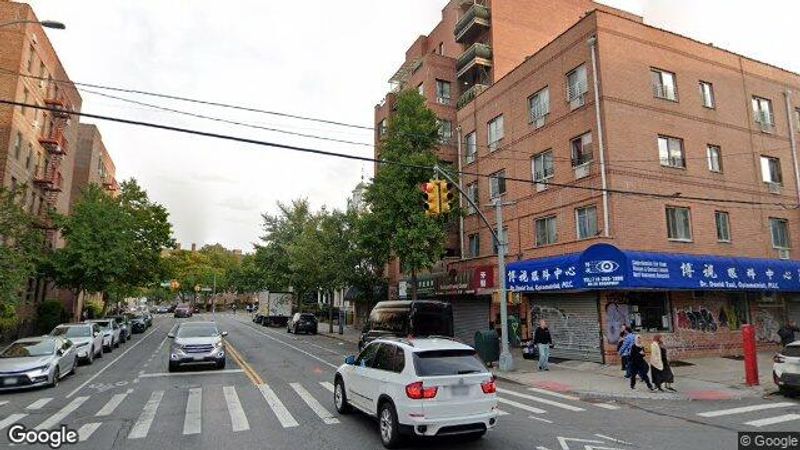
Elmhurst sits in central Queens, bounded roughly by Roosevelt Avenue to the north, Queens Boulevard slicing through its middle, and Woodhaven Boulevard to the east. Bordering Jackson Heights, Corona, and Rego Park, it is one of New York's most ethnically diverse zip codes, shaped by successive waves of immigration since the 1970s.
The neighborhood traces back to 17th-century Dutch settlement as Newtown, later renamed Elmhurst in the 1890s during a real estate rebranding push. Postwar development brought dense multifamily housing and commercial corridors along Broadway and Queens Boulevard, cementing its role as a working- and middle-class residential hub rather than a luxury enclave.
Today Elmhurst reads as dense, transit-oriented, and commercially vibrant, with Malaysian, Thai, Chinese, and Latin American businesses lining Broadway. It lacks the polish of Long Island City, but offers genuine street-level energy and strong rental demand. Our team in New York frequently points overseas buyers here for yield-driven rather than prestige-driven purchases.
The Housing Stock — Buildings, Eras, Unit Types
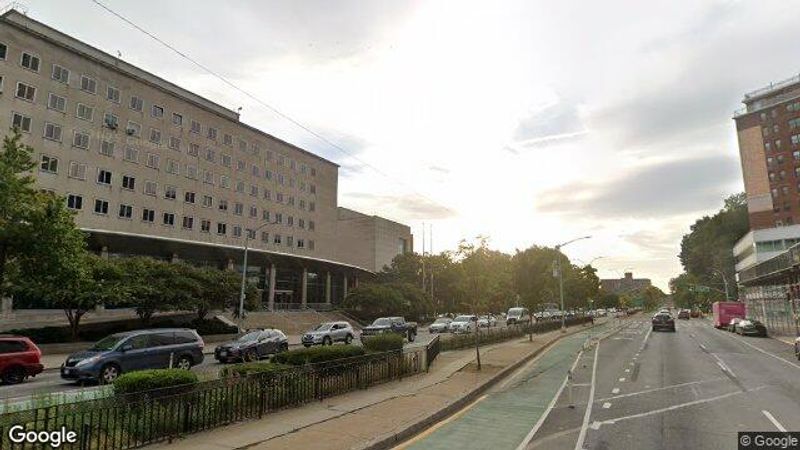
Elmhurst's housing stock is dominated by pre-war walk-ups and mid-century brick apartment buildings, especially along Baxter Avenue, Cornish Avenue, and Whitney Avenue. Six-story elevator buildings from the 1920s–1950s coexist with rows of attached brick two-family homes near Britton Avenue, giving the neighborhood a layered, unpretentious residential texture rather than architectural landmarks.
Newer construction clusters near Queens Boulevard and the Elmhurst subway corridor, including modest mid-rise condo and rental developments built in the 2010s. Unit types skew toward one- and two-bedrooms in older buildings, while a scattering of newer projects offers studios and larger family layouts with in-unit laundry, uncommon in the neighborhood's older stock.
Co-ops make up a meaningful share of Elmhurst's owned housing, particularly in postwar buildings along Broadway and Cheney Street, often requiring board approval and offering lower carrying costs than condos. For buyers, this means slightly slower closings but genuine value; our licensed brokerage network can navigate co-op board packages efficiently for overseas purchasers.
Prices and Rents — What Things Actually Cost
As of early 2026, Elmhurst remains one of Queens's more affordable transit-connected neighborhoods. Condo prices run approximately $450,000 to $750,000 for one-bedrooms, with co-ops often 20-30% below comparable condos. These figures are approximate and subject to market conditions, seasonal inventory, and building-specific factors like maintenance fees and reserve funds.
Rental demand stays strong given proximity to Manhattan via the 7 train. Studio rents average $1,900-$2,300, while two-bedrooms in elevator buildings reach $2,800-$3,400. Compared to Jackson Heights or Long Island City, Elmhurst offers a discount of roughly 15-25%, making it attractive for buy-to-let investors targeting steady occupancy rather than premium yields.
| Unit Type | Purchase Price (Condo) | Purchase Price (Co-op) | Monthly Rent |
|---|---|---|---|
| Studio | $350,000 - $480,000 | $220,000 - $320,000 | $1,900 - $2,300 |
| 1-Bedroom | $450,000 - $750,000 | $320,000 - $500,000 | $2,300 - $2,800 |
| 2-Bedroom | $650,000 - $950,000 | $480,000 - $700,000 | $2,800 - $3,400 |
| 3-Bedroom | $850,000 - $1,200,000 | $650,000 - $900,000 | $3,400 - $4,200 |
Approximate Elmhurst Sale Prices and Rents, Early 2026 (subject to market conditions)
Carrying costs matter as much as sticker price. Co-op maintenance fees in older Elmhurst buildings can run $700-$1,100 monthly, sometimes bundling heat and water, while condo common charges plus taxes typically land lower but exclude utilities. Our team in New York always models total monthly holding costs before comparing a co-op against a condo purchase.
Daily Life and Transit — Getting Around, Schools, Parks
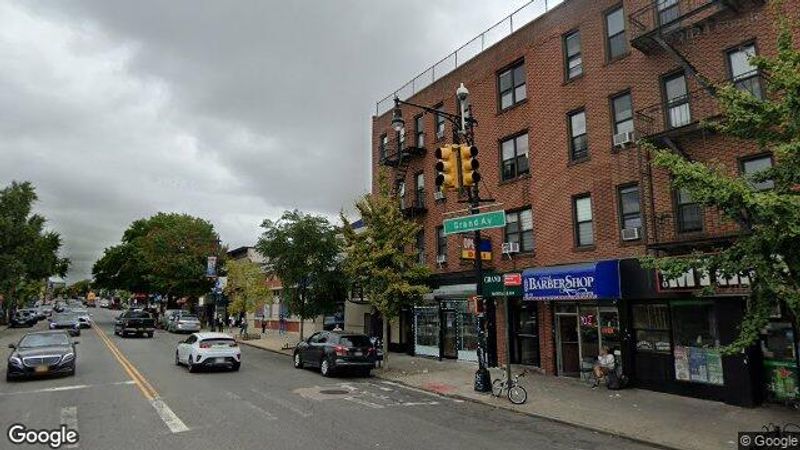
Elmhurst is served by the 7 train at Elmhurst Avenue and Grand Avenue-Newtown stations, reaching Midtown Manhattan in roughly 25-30 minutes. The E, F, M, and R trains stop at Grand Avenue-Newtown as well, giving residents multiple express and local options toward both Manhattan and other Queens hubs like Jamaica.
Grocery options include large Asian supermarkets along Broadway and a Trader Joe's-style density of independent produce markets, though residents often travel to Rego Park's shopping centers for bigger-box retail. Elmhurst Hospital Center anchors the neighborhood's medical infrastructure, and local zoned schools include PS 89 and PS 13, both serving dense residential blocks.
| Subway Line | Key Station | Destination | Approx. Commute Time |
|---|---|---|---|
| 7 Train | Elmhurst Avenue | Grand Central, Manhattan | 25-30 minutes |
| E / M | Grand Avenue-Newtown | Midtown / Herald Square | 25-35 minutes |
| F Train | Grand Avenue-Newtown | Rockefeller Center | 30-35 minutes |
| R Train | Grand Avenue-Newtown | Downtown Brooklyn | 35-40 minutes |
Elmhurst Transit and Commute Overview
Green space is modest but present: Elmhurst Park on Britton Avenue offers a running track and playgrounds, while Flushing Meadows Corona Park is a short bus or bike ride away for larger recreational needs. Daily life here is practical and walkable, built around Broadway's commercial strip rather than boutique retail or waterfront promenades.
Final Thoughts
Elmhurst suits buyers and investors prioritizing transit access and rental yield over prestige addresses or architectural pedigree. Its diversity, food culture, and multiple subway lines make it genuinely livable for tenants, and its price point relative to Manhattan or Long Island City remains a compelling entry point for patient capital.
It does not suit clients seeking doorman luxury towers, waterfront views, or a quiet suburban feel. Elmhurst is dense, commercially loud in parts, and architecturally functional rather than distinguished. Buyers expecting Manhattan-style finishes or amenity-rich new development will find the inventory here comparatively modest and skewed toward older housing stock.
Our team in New York positions Elmhurst as a value and yield play within a diversified Queens portfolio, best paired with professional management given the tenant profile. For overseas clients focused on steady occupancy and long-term appreciation tied to transit infrastructure, our licensed brokerage network can identify specific listings suited to this strategy.
Reinvent NY provides business consulting, operational support, and coordination services. Real estate services are provided through licensed professionals and applicable brokerage relationships. This article is for informational purposes only and does not constitute legal or investment advice.
Nearby neighbourhoods: Flushing, Forest Hills, Jackson Heights. All Queens guides are indexed under New York neighbourhood guides.

Satoshi Onodera
Founder & CEO, Reinvent NY Inc.
Founded Reinvent NY in 2024. Providing relocation support from all over the world to America.
Ready to Get Started?
Our team in New York is ready to help with your visa, real estate, or relocation needs.
Schedule a ConsultationFrequently Asked Questions
Is Elmhurst a good area for rental investment property?
Yes. Strong 7 train access and consistent tenant demand from a diverse population support steady occupancy. Rents are lower than nearby Jackson Heights or Long Island City, but so are entry prices, giving investors reasonable relative yields on one- and two-bedroom units.
What subway lines serve Elmhurst directly?
The 7 train stops at Elmhurst Avenue and Grand Avenue-Newtown. The E, F, M, and R trains also stop at Grand Avenue-Newtown, giving residents multiple routes into Manhattan, Long Island City, and Downtown Brooklyn without needing a transfer elsewhere in Queens.
Are most Elmhurst apartments co-ops or condos?
Co-ops make up a substantial share of owned housing, particularly in postwar buildings along Broadway and Cheney Street. Condos are more common in newer mid-rise developments near Queens Boulevard. Co-ops typically cost less upfront but involve board approval processes.
How far is Elmhurst from Manhattan by commute?
The 7 train reaches Midtown Manhattan in roughly 25-30 minutes from Elmhurst Avenue or Grand Avenue-Newtown. The E and M trains offer comparable times to Herald Square, making Elmhurst a genuinely commutable neighborhood for Manhattan-based work schedules.
What does a one-bedroom condo cost in Elmhurst right now?
As of early 2026, one-bedroom condos run approximately $450,000 to $750,000, subject to market conditions and building specifics. Co-op equivalents typically price 20-30% lower, though maintenance fees and board requirements should factor into any comparison.
Are there good schools and parks near Elmhurst?
PS 89 and PS 13 serve dense residential blocks locally. Elmhurst Park on Britton Avenue offers a track and playgrounds, and Flushing Meadows Corona Park is a short trip away for larger recreational space, though the neighborhood itself has limited green space.
Who should avoid buying in Elmhurst?
Buyers seeking doorman luxury towers, waterfront views, or quiet low-density streets should look elsewhere. Elmhurst suits value-focused, transit-driven strategies rather than prestige purchases, and its housing stock is functional and dense rather than architecturally distinguished or amenity-rich.
Real Estate Guides & Data
More guides
- Exit Planning Five Years Out: Selling Starts Early
- Furnished and Corporate Rentals: The 30-Day-Plus Market
- How to Hold US Property: Personal, LLC or Corporation
- Inheriting US Property: The Heir's Playbook
- LLCs for Rental Property: Liability, Cost, Disclosure
- Miami vs New York: Two US Strategies Compared
Related Articles
100 Eleventh Avenue: Jean Nouvel's Window Wall
Jean Nouvel's 100 Eleventh Avenue set 1,650 differently angled panes into one facade. What that building offers a buyer, and what to confirm first.
Forest Hills NYC Real Estate Guide 2026
An authoritative 2026 guide to Forest Hills, Queens: housing stock, prices, rents, transit, and schools for international buyers and renters.
520 West 28th: Zaha Hadid's Only New York Building
Zaha Hadid's only residential building in New York sits on the High Line in West Chelsea. What it offers a buyer, and what to confirm before an offer.
Jackson Heights Real Estate Guide 2026
A 2026 buyer's guide to Jackson Heights, Queens: co-op prices, historic districts, transit, and rental yields for international investors and residents.