Jackson Heights Real Estate Guide 2026
What Jackson Heights Actually Is
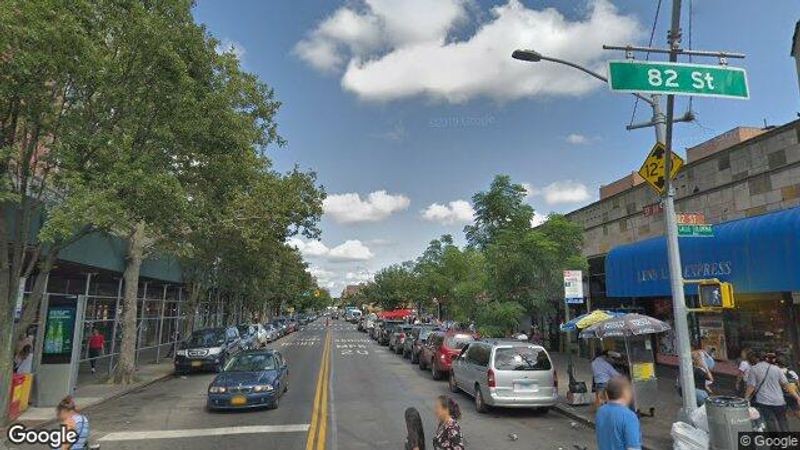
Jackson Heights sits in northwest Queens, bounded roughly by Astoria Boulevard, Junction Boulevard, Roosevelt Avenue, and 74th Street. Developed in the 1910s and 1920s by the Queensboro Corporation, it was conceived as a planned garden suburb for Manhattan commuters, built around private interior courtyards rather than street-facing lawns.
The neighborhood is one of New York's most ethnically diverse, with large South Asian, Latin American, and Southeast Asian communities anchored along 74th Street and Roosevelt Avenue. This diversity shapes daily commerce, from sari shops to Colombian bakeries, and gives Jackson Heights a distinct identity apart from Manhattan-facing Queens neighborhoods like Long Island City.
Much of the core neighborhood is protected under the Jackson Heights Historic District, designated by the Landmarks Preservation Commission in 1993. This status limits exterior alterations and demolitions, preserving the low-rise, courtyard-building character our overseas clients often find reassuring when evaluating long-term property stability.
The Housing Stock
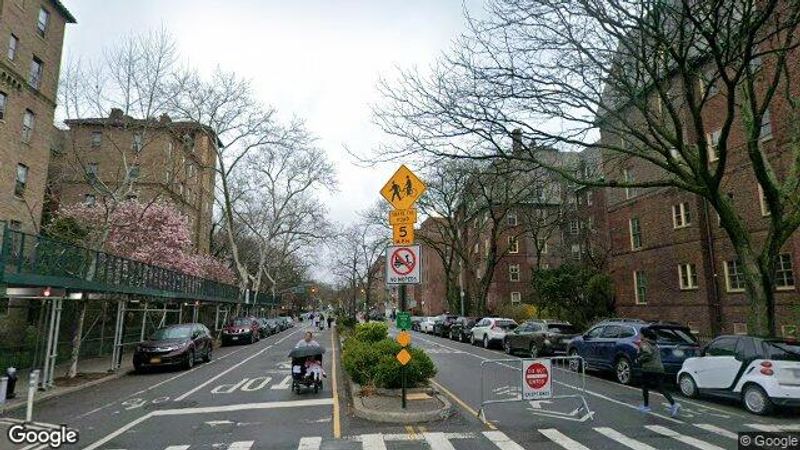
Jackson Heights is dominated by pre-war co-operative buildings, many built between 1917 and 1940 by architects including Andrew J. Thomas and George H. Wells. Signature developments include the Chateau, the Towers on 80th Street, and Linden Court, all organized around shared interior gardens rather than individual yards, a hallmark of the original Queensboro Corporation vision.
Unit types skew toward one- and two-bedroom apartments with prewar details: herringbone floors, plaster moldings, and deep window reveals. Buildings like the Chateau and Cambridge Court on 37th Avenue exemplify the Tudor and neo-Georgian styles common here. True condominiums and rentals are comparatively scarce, concentrated more toward Northern Boulevard and newer construction near 82nd Street.
Because roughly 80-85% of housing stock is co-op ownership, boards exercise significant discretion over sales, financing terms, and renovations. Our team in New York routinely walks overseas buyers through board packages, subletting policies, and flip taxes, which vary considerably between buildings like Chateau and the more flexible Towers complex.
Prices and Rents
As of early 2026, co-op resale prices in Jackson Heights range roughly from $250,000 for a studio to $650,000 for a spacious two-bedroom in a well-maintained prewar building, figures approximate and subject to market conditions. Condominiums, where available, command a premium, often 20-30% above comparable co-op units due to fewer ownership restrictions.
Rental rates remain notably lower than in Manhattan or Long Island City, making Jackson Heights attractive for buy-to-let strategies. A one-bedroom typically rents for $2,100-$2,700 monthly, while two-bedrooms range from $2,600-$3,400, again approximate figures that shift with seasonal demand and building amenities.
| Neighborhood | Studio/1BR Purchase | 2BR Purchase | 1BR Rent | 2BR Rent |
|---|---|---|---|---|
| Jackson Heights | $250K-$420K | $450K-$650K | $2,100-$2,700 | $2,600-$3,400 |
| Elmhurst | $260K-$400K | $440K-$600K | $2,000-$2,500 | $2,500-$3,100 |
| Astoria | $400K-$600K | $650K-$950K | $2,600-$3,300 | $3,300-$4,200 |
| Long Island City | $600K-$900K | $950K-$1.4M | $3,200-$4,000 | $4,200-$5,500 |
| Sunnyside | $350K-$500K | $550K-$750K | $2,300-$2,900 | $2,900-$3,700 |
Approximate Jackson Heights Pricing vs. Nearby Queens Neighborhoods (2026, subject to market conditions)
Carrying costs matter as much as purchase price: co-op maintenance fees in older buildings can run $900-$1,500 monthly depending on unit size and underlying mortgage. Our licensed brokerage network advises overseas buyers to model these fees alongside taxes, since they materially affect net rental yield in this predominantly co-op market.
Daily Life and Transit
Transit access is a defining strength. The 7 train runs elevated along Roosevelt Avenue with stops at 74th Street-Broadway and 82nd Street-Jackson Heights, reaching Grand Central in roughly 20-25 minutes. The E, F, M, and R lines also stop at 74th Street-Broadway, giving residents fast connections to Midtown Manhattan and western Queens.
Grocery and daily-needs shopping centers on 74th Street and Broadway, with Patel Brothers, Subzi Mandi, and Associated Supermarket among longstanding options. Travers Park and the historic courtyard gardens provide green space, while zoned schools include PS 69 and PS 149, with several private and international school options accessible via nearby Elmhurst and Astoria.
| Line | Destination | Approx. Travel Time |
|---|---|---|
| 7 (Local/Express) | Grand Central-42nd St | 20-28 minutes |
| E/F | Manhattan (34th St-Herald Sq) | 25-30 minutes |
| M/R | Long Island City | 10-15 minutes |
| 7 | Flushing-Main St | 15-20 minutes |
| E | JFK Airport (via AirTrain transfer) | 40-50 minutes |
Approximate Subway Commute Times from Jackson Heights (74th St-Broadway station)
Daily life here favors walkability over car dependence. Restaurants, banks, and services cluster densely along 37th Avenue and 74th Street, and the elevated 7 train structure, while noisy for adjacent blocks, keeps most of the neighborhood within a 10-minute walk of a subway entrance, a rarity in outer-borough New York.
Final Thoughts
Jackson Heights suits buyers prioritizing value, transit access, and architectural character over ground-floor retail glamour or new-construction amenities. Investors seeking stable co-op holdings with modest but consistent rental demand, particularly from professionals commuting to Manhattan, will find pricing here considerably more accessible than in Astoria or Long Island City.
It suits less well those wanting turnkey condominiums, extensive in-building amenities like doormen and gyms, or the flexibility of easy short-term subletting, since most co-op boards restrict this. Buyers uncomfortable navigating board interviews and financial disclosure requirements should weigh this carefully before committing capital here.
Our team in New York views Jackson Heights as a strong fit for patient, long-horizon buyers comfortable with co-op governance and drawn to its historic fabric and diversity. For those wanting faster liquidity or newer product, we typically point our clients toward Long Island City or western Astoria instead.
Reinvent NY provides business consulting, operational support, and coordination services. Real estate services are provided through licensed professionals and applicable brokerage relationships. This article is for informational purposes only and does not constitute legal or investment advice.
Nearby neighbourhoods: Jamaica, Kew Gardens, Long Island City. All Queens guides are indexed under New York neighbourhood guides.

Satoshi Onodera
Founder & CEO, Reinvent NY Inc.
Founded Reinvent NY in 2024. Providing relocation support from all over the world to America.
Ready to Get Started?
Our team in New York is ready to help with your visa, real estate, or relocation needs.
Schedule a ConsultationFrequently Asked Questions
Can foreign buyers purchase co-ops in Jackson Heights?
Yes, but co-op boards scrutinize buyers closely, often requiring proof of funds, references, and sometimes limiting financing ratios. Our licensed brokerage network helps prepare board packages tailored to individual buildings' documented preferences and financial requirements.
What is the Jackson Heights Historic District?
It's a Landmarks Preservation Commission designation from 1993 covering the neighborhood's original garden-apartment core. It restricts exterior alterations and demolitions, helping preserve courtyard buildings and prewar character while generally supporting long-term property value stability.
Are there condominiums available, or mostly co-ops?
Co-ops dominate, representing roughly 80-85% of housing stock. Condominiums exist but are limited in number, typically newer builds near Northern Boulevard or 82nd Street, and usually command a 20-30% price premium over comparable co-op units.
How long is the commute to Manhattan?
The 7 train reaches Grand Central in approximately 20-28 minutes from 74th Street-Broadway. The E and F trains offer alternative routes to Midtown, typically 25-30 minutes, making Jackson Heights practical for daily Manhattan commuters.
What rental yields can investors expect?
Approximate gross yields often fall between 4% and 6% depending on purchase price and monthly maintenance fees, subject to market conditions. Co-op carrying costs should be modeled carefully, as they meaningfully affect net returns.
Is Jackson Heights walkable and family-friendly?
Yes. Dense retail along 74th Street and 37th Avenue, plus Travers Park and interior courtyard gardens, support daily errands on foot. Zoned schools like PS 69 and PS 149 serve local families alongside nearby private options.
How does pricing compare to Astoria or Long Island City?
Jackson Heights remains notably more affordable, with two-bedroom co-ops often priced $300,000-$500,000 below comparable Astoria or Long Island City units, approximate and subject to market conditions, reflecting its co-op-dominant stock and fewer new developments.
Real Estate Guides & Data
More guides
- ACRIS and Public Records: Researching Any NYC Property
- Banking for US Property Owners: The Account Architecture
- Reading a Building Before You Buy: Reserves and Minutes
- Buying With a Partner: Titles, Agreements, Exits
- Closing Day in NYC: What Happens at the Table
- Condo or Co-op for an Overseas Buyer
Related Articles
Elmhurst Queens Real Estate Guide 2026
A 2026 guide to buying and renting in Elmhurst, Queens — housing stock, prices, transit, and schools, briefed by Reinvent NY's local team.
520 West 28th: Zaha Hadid's Only New York Building
Zaha Hadid's only residential building in New York sits on the High Line in West Chelsea. What it offers a buyer, and what to confirm before an offer.
NYC Property Tax Appeal: How Certiorari Works
How a NYC property tax appeal works: assessment notices, Tax Commission deadlines by class, who files, what evidence matters, and what reductions are realistic.
Woodside Queens Real Estate Guide 2026
A 2026 guide to buying and renting in Woodside, Queens: housing stock, prices, transit, and daily life for international buyers and tenants.