Jamaica Queens Real Estate Guide 2026
What Jamaica Actually Is — Boundaries, Character, and How It Got Here
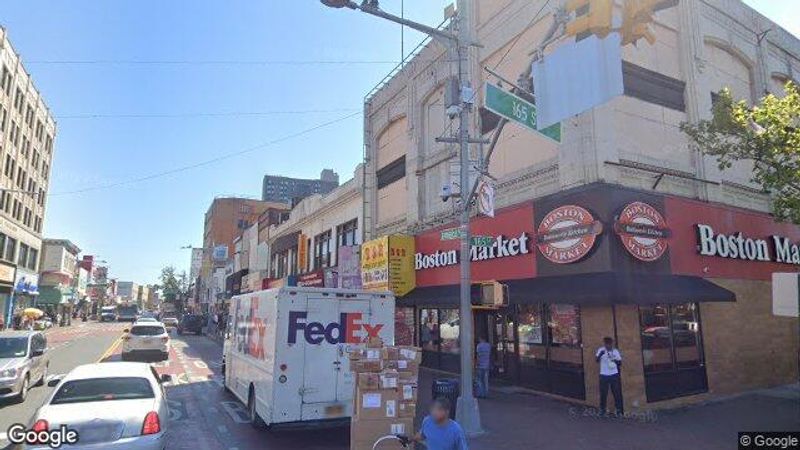
Jamaica, Queens sits in southeastern Queens, bounded roughly by Hillside Avenue to the north, the Van Wyck Expressway to the west, and Springfield Boulevard to the east. It is one of New York's oldest settlements, dating to the 1650s, and today functions as a civic and commercial anchor for the borough, home to courts, hospitals, and a major transit hub.
The neighborhood's identity is layered: downtown Jamaica is dense and commercial, centered on Jamaica Avenue and the York College campus, while residential pockets like Jamaica Estates and Jamaica Hills offer suburban-style streets with mature trees and detached houses. This contrast defines the area more than any single architectural style.
Our team in New York sees Jamaica increasingly discussed alongside AirTrain access to JFK and ongoing downtown redevelopment. It remains underpriced relative to its connectivity, which is precisely why long-term investors and relocating families are paying closer attention heading into 2026.
The Housing Stock — Buildings, Eras, and Unit Types
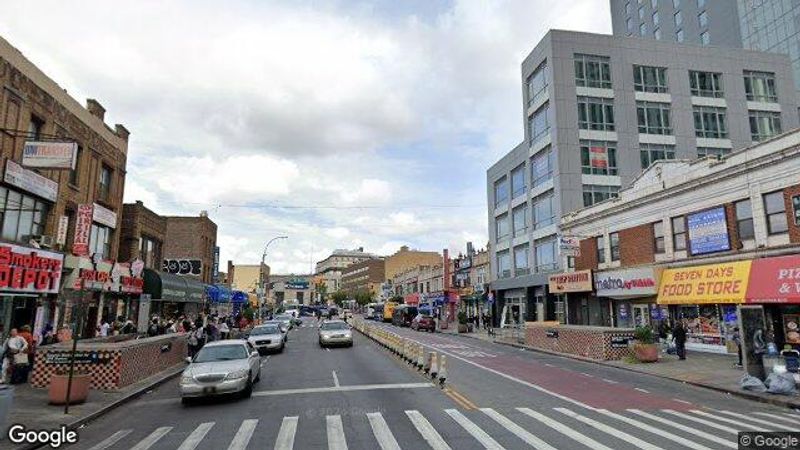
Jamaica's housing spans several distinct eras. Jamaica Estates, developed in the early 1900s, is known for Tudor and Colonial Revival houses on curving, tree-lined streets, many built between 1910 and 1930. These single-family homes remain among the most architecturally distinctive in the borough.
Closer to downtown, prewar walk-ups and postwar brick apartment buildings dominate, offering one- and two-bedroom rentals and co-ops at accessible price points. Newer construction has arrived near the transit hub, including mid-rise rental towers built to capture demand from commuters and York College-area professionals seeking modern finishes and amenity packages.
Co-ops are common in the mid-rise buildings along Hillside Avenue and Union Turnpike, while condos remain comparatively scarce, concentrated mostly in newer developments. Our licensed brokerage network can identify which buildings offer board flexibility, a key consideration for overseas buyers unfamiliar with New York's co-op approval process.
Prices and Rents — What Things Actually Cost
Jamaica remains one of Queens' more affordable neighborhoods relative to its transit access. As of early 2026, one-bedroom condos and co-ops generally range from $220,000 to $420,000, while single-family homes in Jamaica Estates can run $800,000 to $1.6 million. All figures are approximate and subject to market conditions.
Rental demand is strong given the AirTrain and LIRR proximity, keeping studio and one-bedroom rents competitive with other outer-borough hubs. Renters benefit from more square footage per dollar than in Long Island City or Astoria, though building amenities are generally more modest.
| Unit Type | Sale Price Range | Monthly Rent Range |
|---|---|---|
| Studio | $150,000 – $230,000 | $1,500 – $1,900 |
| One-Bedroom | $220,000 – $420,000 | $1,900 – $2,500 |
| Two-Bedroom | $320,000 – $600,000 | $2,400 – $3,200 |
| Single-Family (Jamaica Estates) | $800,000 – $1,600,000 | N/A |
| Multi-Family (2-4 units) | $650,000 – $1,100,000 | $3,000 – $5,500 total |
Approximate Jamaica, Queens sale and rental prices (early 2026, subject to market conditions)
Compared to Manhattan or Long Island City, Jamaica offers meaningfully lower entry points for both buyers and renters. Our team in New York consistently advises clients that value appreciation here tracks infrastructure investment closely, making timing and building selection more important than in already-saturated submarkets.
Daily Life and Transit — Getting Around, Schools, Parks
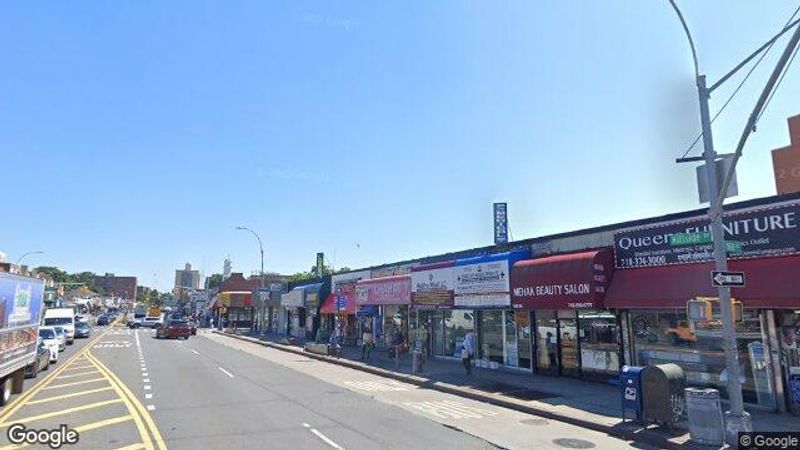
Jamaica's standout feature is transit. The Jamaica Center–Parsons/Archer station serves the E, J, and Z trains, while the AirTrain JFK connects directly to the airport in about 15 minutes. The LIRR's Jamaica Station offers express service into Penn Station in roughly 20-25 minutes, a major draw for commuters and frequent travelers.
Everyday life centers on Jamaica Avenue's retail corridor, the York College campus, and green space at Rufus King Park and Baisley Pond Park. Grocery access is solid, with multiple supermarkets and the Jamaica Farmers Market in warmer months, though options skew practical rather than upscale.
| Destination | Line/Service | Approx. Travel Time |
|---|---|---|
| Manhattan (Penn Station) | LIRR | 20-25 minutes |
| Manhattan (Midtown, subway) | E train | 35-45 minutes |
| JFK Airport | AirTrain JFK | 10-15 minutes |
| Downtown Brooklyn | J/Z train + transfer | 45-55 minutes |
| LaGuardia Airport | Subway + bus | 50-60 minutes |
Key transit and commute times from Jamaica, Queens
School options include zoned public schools plus respected institutions like Jamaica High School's successor campuses and nearby York College pathways for continuing education. Families weigh these against private options in adjacent Queens neighborhoods, but transit convenience often outweighs school considerations for buyers prioritizing commute time.
Final Thoughts
Jamaica suits buyers and renters prioritizing transit connectivity and value over polish. Frequent flyers, LIRR commuters, and investors seeking rental yield in a transit-anchored market will find compelling options here, particularly in Jamaica Estates' single-family stock and downtown's growing rental supply.
It is less suited to those seeking Manhattan-adjacent nightlife, luxury condo amenities, or a fully renovated housing stock across the board. Buyers expecting doorman buildings and polished retail corridors comparable to Long Island City will find Jamaica's downtown core still mid-transformation.
Our team in New York recommends Jamaica to clients focused on long-term appreciation tied to infrastructure and airport access rather than immediate lifestyle upgrades. Engaging our licensed brokerage network early helps identify the right building type before competition tightens further into 2026.
Reinvent NY provides business consulting, operational support, and coordination services. Real estate services are provided through licensed professionals and applicable brokerage relationships. This article is for informational purposes only and does not constitute legal or investment advice.
Nearby neighbourhoods: Kew Gardens, Long Island City, Rego Park. All Queens guides are indexed under New York neighbourhood guides.

Satoshi Onodera
Founder & CEO, Reinvent NY Inc.
Founded Reinvent NY in 2024. Providing relocation support from all over the world to America.
Ready to Get Started?
Our team in New York is ready to help with your visa, real estate, or relocation needs.
Schedule a ConsultationFrequently Asked Questions
Is Jamaica, Queens a good area for investment property?
Yes, particularly for rental income tied to AirTrain and LIRR commuters. Prices remain below comparable transit-connected neighborhoods, though buyers should expect a longer appreciation timeline than in already-established Queens submarkets.
What is the commute time from Jamaica to Manhattan?
LIRR service reaches Penn Station in roughly 20-25 minutes, while the E train subway commute typically takes 35-45 minutes depending on the exact Manhattan destination and time of day.
Are there single-family homes in Jamaica, Queens?
Yes, primarily in Jamaica Estates, where Tudor and Colonial Revival houses built in the early 20th century sell approximately between $800,000 and $1.6 million, subject to market conditions and lot size.
Is Jamaica close to JFK Airport?
Very close. The AirTrain JFK connects directly from Jamaica Station to the airport terminals in about 10-15 minutes, making it one of the most airport-convenient residential areas in New York City.
What types of apartments are available in Jamaica?
Options include prewar co-op walk-ups, postwar brick mid-rises, and newer rental towers near the transit hub. Condos remain relatively scarce, so buyers seeking that ownership structure should expect a narrower selection.
Is Jamaica safe and family-friendly?
Downtown Jamaica is dense and commercial, while Jamaica Estates and Jamaica Hills offer quieter, family-oriented streets. Safety and character vary meaningfully by micro-location, so on-the-ground evaluation is recommended before committing.
How does Jamaica compare to Long Island City for buyers?
Jamaica offers lower entry prices and stronger commuter rail access but fewer luxury amenities and less nightlife. Long Island City suits lifestyle-focused buyers; Jamaica suits those prioritizing value and transit efficiency.
Real Estate Guides & Data
More guides
- Security Deposits in NY: The One-Month Rulebook
- NYC Short-Term Rental Rules: Local Law 18
- Smart Apartments: Technology Worth Installing
- Umbrella Liability: The Cheap Layer Above Everything
- Utilities and Internet: The First Month in NYC
- Waterfront Property and Flood Zones: Pricing the Water
Related Articles
Corona Queens Real Estate Guide 2026
An expert 2026 guide to buying and renting in Corona, Queens: housing stock, prices, transit, and who this neighborhood suits. By Reinvent NY.
740 Park Avenue: The Hardest Building to Buy Into
740 Park Avenue is Rosario Candela's 1930 cooperative and the most selective address in New York. What it is, and why an overseas buyer will not get in.
Rockaway Beach Queens Real Estate Guide 2026
An authoritative 2026 guide to buying and renting in Rockaway Beach, Queens: housing stock, prices, transit, and who this beach neighborhood truly suits.
The San Remo: Emery Roth's Twin Towers on the Park
The San Remo gave Central Park West its twin-tower silhouette in 1930. What Emery Roth built, and what an overseas buyer needs to know about it.