The San Remo: Emery Roth's Twin Towers on the Park
The San Remo gave Central Park West the silhouette it is known for. Emery Roth's 1930 building placed two slender towers crowned with classical temples above a shared base, and the pattern was repeated up the avenue until the skyline read as a set.
It is one of the finest apartment buildings in New York and one of the hardest for an international buyer to enter. Both facts are worth understanding.
1. What the Building Is
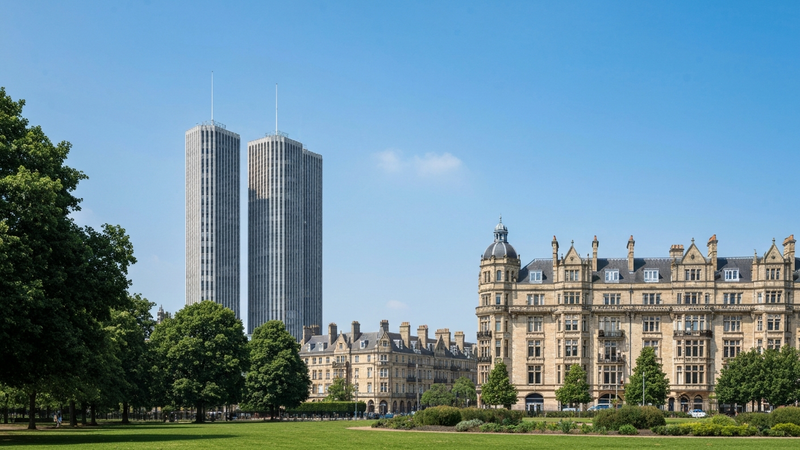
A 1929 zoning change allowed towers to rise above a set base height, and Roth answered it with two volumes rather than one bulky mass. The temples at the top are decorative in intent and structural in effect: they mark the building from every part of the park.
Below them sits a conventional prewar base with large apartments arranged around a courtyard plan. The tower apartments above are a different product entirely — small floor plates with light on several sides.
The building faces the park directly, on a frontage that no development can extend. That is the most durable attribute any Manhattan building has.
| Attribute | Detail |
|---|---|
| Address | 145-146 Central Park West, Manhattan |
| Completed | 1930 |
| Architect | Emery Roth |
| Form | Twin towers above a shared base |
| Status | Designated landmark district |
| Ownership form | Cooperative |
Building facts. Cooperative requirements are set by the board and are not published; establish them through your attorney and broker.
The location is on Google Maps here.
2. The Twin-Tower Apartments
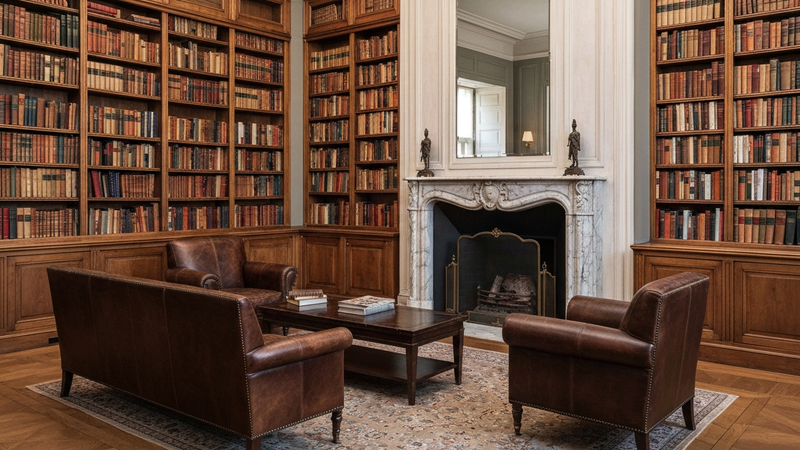
The upper apartments are unusual even for prewar buildings. A small floor plate with exposure on several sides produces rooms that are lit from more than one direction, which is rare in Manhattan at any period.
The base apartments are the more conventional prewar product: larger, arranged around a court, with the room sequences and service spaces that 1930 assumed a household required.
The two are priced differently and behave differently at resale, which means a comparable in one part of the building tells you very little about the other.
That variation is characteristic of prewar buildings generally. Our remote viewing guide covers how to establish what a specific apartment actually is when you cannot walk it yourself.
3. What a Cooperative Requires
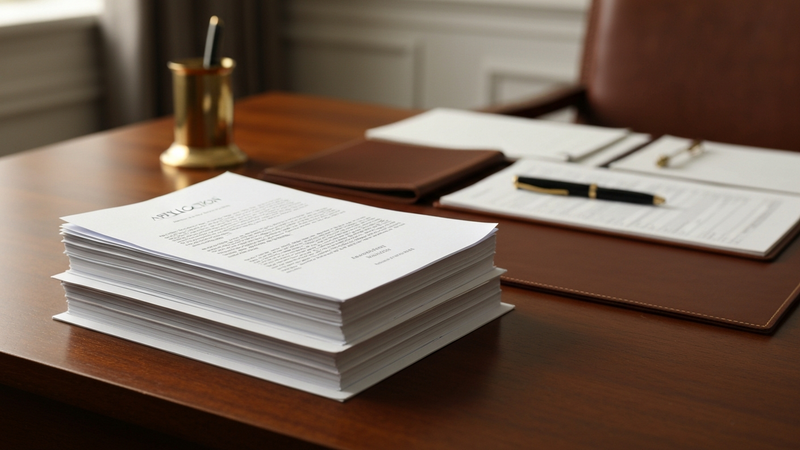
A purchaser buys shares in a corporation and receives a proprietary lease rather than a deed. The board approves every purchaser and may decline without stating a reason, provided the decision is not made on a basis prohibited by fair housing law.
Boards typically require full financial disclosure, verified liquidity after closing, reference letters and an interview. Many restrict financing to a set proportion of the price, and many limit or prohibit purchases by entities and trusts.
Subletting is usually restricted as well, which makes an apartment difficult to use as a part-year residence with periods of letting between stays.
Our board package guide sets out what an application contains, and our foreign buyer guide explains why the documentary requirements are the real obstacle rather than the interview.
4. The Condominium Route on the Park

For a buyer whose financial life sits outside the United States, condominium is the practical form. No board approval vote, non-resident and entity ownership accepted, and subletting governed by written building rules rather than by discretion.
15 Central Park West and One Central Park West both face the park in condominium form, and 220 Central Park South sits at its southern edge.
Mansion tax applies from $1 million on the whole price. Settle ownership structure before contract; US estate tax reaches non-resident owners above a $60,000 exemption on US-situs assets — see our estate tax guide.
Why prewar buildings command what they do
The supply is fixed. No more prewar buildings will be constructed, the existing ones are protected by landmark designation, and the apartments within them cannot be multiplied.
That is the same argument as park frontage, applied to a period rather than to a location, and it is why these buildings have held value through every cycle since the 1970s.
Maintenance and the underlying mortgage
Cooperative monthly maintenance includes the shareholder's proportion of the building's property tax and of any mortgage on the building itself, which is why the figure looks high beside a condominium's common charges.
The two are not comparable without adjustment. Ask for the building's underlying mortgage balance and term, and add property tax to the condominium figure before comparing anything.
What happens at resale
Your eventual buyer must also satisfy the board, which narrows the pool at the moment you want it widest. In a cooperative that constraint applies at both ends of ownership.
For an owner intending to hold for decades that matters little. For one who may need to sell quickly, particularly to an international purchaser, it matters a great deal and should be priced in from the start.
Final Thoughts: The Silhouette Everyone Knows
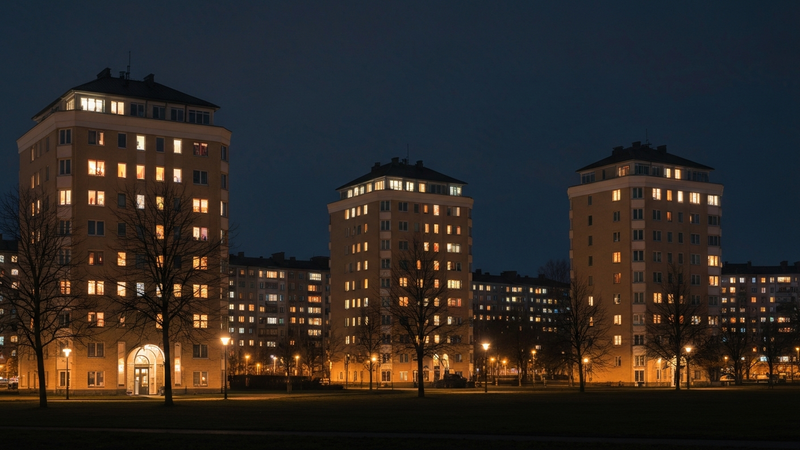
Roth's twin towers defined an avenue and the buildings that followed him copied the idea rather than improving on it. For a buyer able to satisfy a cooperative board, this remains one of the best addresses in the city. For a buyer whose assets sit abroad, the honest advice is to admire the silhouette from a condominium a few blocks away, and to spend the search time where it can actually result in a purchase.
We cover Central Park West on Satoshi Onodera's YouTube channel and on Instagram. If you are buying from abroad, talk to our team and we will filter for buildings that will accept the purchase. Real estate brokerage services are provided through licensed professionals.
A final practical note on timing. Cooperative purchases take longer than condominium ones because the board package and interview sit between contract and closing, frequently adding six to ten weeks.
Where a move date is fixed — a school term, a job start, a lease expiry — that additional period is the reason many buyers who could satisfy a board choose not to attempt one.
One further point for a buyer holding US assets. The discount at which prewar cooperatives trade against comparable condominiums is a direct function of the restrictions, not of the buildings, and a purchaser who can satisfy a board captures it.
That discount is real and it is also a constraint at the other end. Your eventual buyer must satisfy the same board, so the apartment is easier to buy well than to sell quickly, which is a trade worth making deliberately rather than discovering later.
A last point on how these apartments reach the market. In restrictive buildings a meaningful share of sales never appears on a portal, because sellers prefer a controlled process and purchasers arrive introduced. Our off-market guide covers how that access actually works.
Reinvent NY provides business consulting, operational support, and coordination services. Legal advice and immigration filings are handled by independent licensed attorneys. Real estate services are provided through licensed professionals and applicable brokerage relationships. This article is for informational purposes only and does not constitute legal or investment advice.
More buildings worth knowing: Waldorf Astoria Residences, Woolworth Tower Residences, 100 Eleventh Avenue. The full set is indexed under New York building profiles.

Satoshi Onodera
Founder & CEO, Reinvent NY Inc.
Founded Reinvent NY in 2024. Providing relocation support from all over the world to America.
Ready to Get Started?
Our team in New York is ready to help with your visa, real estate, or relocation needs.
Schedule a ConsultationFrequently Asked Questions
Where is the San Remo?
145 and 146 Central Park West, between 74th and 75th Streets. The location is on [Google Maps](https://maps.google.com/?q=145+Central+Park+West+New+York).
When was it built?
It was completed in 1930 to the design of Emery Roth, and is a designated landmark within the Central Park West historic district.
Why does it have two towers?
A 1929 zoning change permitted towers above a set base height, and Roth used it to place two slender volumes crowned with classical temples above a shared base.
Is it a co-op or a condominium?
It is a cooperative. Purchasers buy shares in a corporation and receive a proprietary lease rather than a deed.
Can a non-resident buy here?
In practice it is very difficult. Boards require extensive financial disclosure, frequently restrict entity and trust ownership, and may decline an application without giving a reason.
What makes the twin-tower buildings distinctive inside?
The tower apartments occupy small floor plates with light on several sides, which produces layouts that are unusual even by prewar standards.
What should an overseas buyer look at instead?
Condominium buildings on or near the park, where there is no board approval vote and non-resident and entity ownership are generally accepted.
Real Estate Guides & Data
More guides
- Air Rights and Lot-Line Windows: The Sky Next Door
- Micro-Units and Alcove Studios: Small-Space Buying
- Two-to-Four Family Buildings: The Underwriting
- Noise and Light Diligence: Testing What Photos Hide
- NYC vs the Suburbs: Where the Same Money Goes
- Buying a Penthouse: The Top Floor's Own Rules
Related Articles
Jamaica Queens Real Estate Guide 2026
An authoritative 2026 guide to buying and renting in Jamaica, Queens — housing stock, prices, transit, and who this neighborhood truly suits.
Rockaway Beach Queens Real Estate Guide 2026
An authoritative 2026 guide to buying and renting in Rockaway Beach, Queens: housing stock, prices, transit, and who this beach neighborhood truly suits.
Maspeth Queens Real Estate Guide
What Maspeth in Queens costs in 2026: the boundaries, the housing stock, sale and rent ranges, how residents commute, and what a buyer should check first.
Ridgewood Queens Real Estate Guide 2026
A concrete 2026 guide to buying and renting in Ridgewood, Queens: prices, buildings, transit, and honest advice from our team on the ground in New York.