Woolworth Tower Residences: Living in a 1913 Landmark
The Woolworth Building was the tallest in the world for seventeen years, and people now live in the top of it. Cass Gilbert's 1913 tower at 233 Broadway, opposite City Hall Park, had its upper portion converted to private residences while the lower floors remained commercial.
Very few buildings of this stature anywhere have been adapted this way. Let's look at what that produces for an owner and what the conversion requires a buyer to establish.
1. What the Building Is
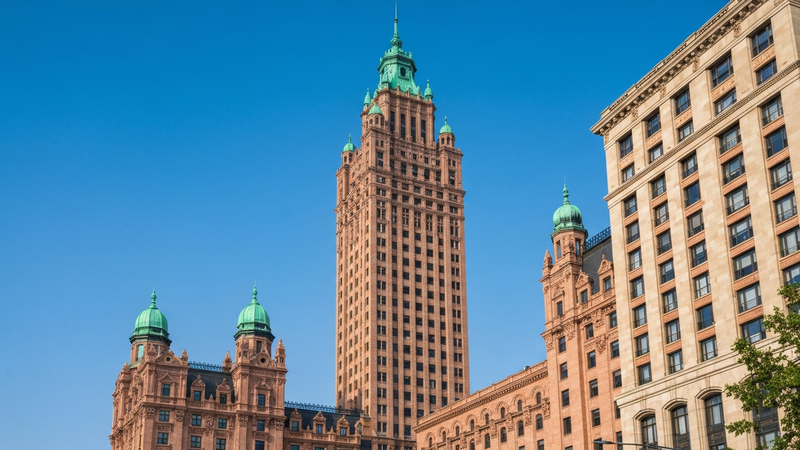
A gothic revival tower in terracotta and stone, with a crown that has been part of the lower Manhattan skyline for more than a century. It is a designated landmark, inside and out, which governed everything the conversion could and could not do.
The building holds two lives. The lower floors remain commercial under separate ownership; the upper tower is residential. That division is documented rather than informal, and where the boundary sits is one of the first things a buyer should establish.
What the conversion produced is apartments inside a structure never designed as housing. The proportions, the window arrangements and the ceiling conditions come from 1913, and no new building reproduces them.
| Attribute | Detail |
|---|---|
| Address | 233 Broadway, Manhattan |
| Completed | 1913 |
| Architect | Cass Gilbert |
| Status | Designated landmark |
| Conversion | Upper tower to private residences |
| Lower floors | Commercial, separate ownership |
Building facts. Ownership form and unit-level figures - size, exposure, charges, tax - must be confirmed for the specific residence.
The location is on Google Maps here, facing City Hall Park.
2. What a Landmark Delivers
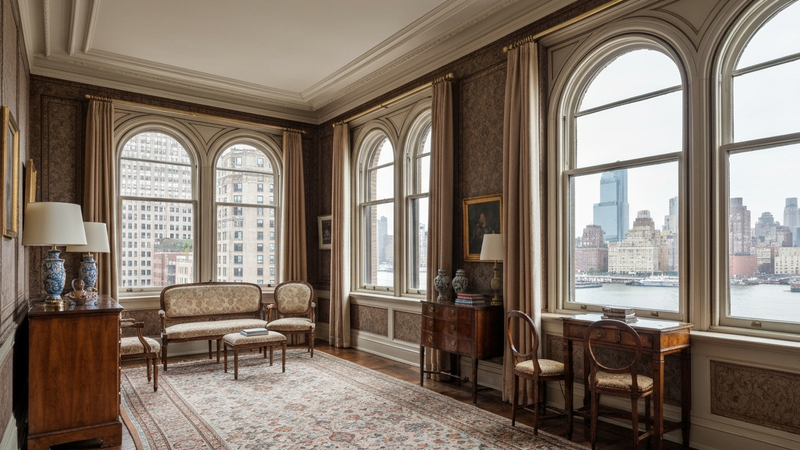
Two things a new tower cannot manufacture. A building known by name across the world without explanation, which at resale to an international purchaser is a commercial asset rather than a sentimental one.
And rooms with a shape and a light condition that come from a different era of construction. Arched windows, deep reveals and irregular plans are the by-product of a 1913 structure, and buyers either want them specifically or do not want them at all.
The variation between units is correspondingly wide. In a purpose-built tower you can reason from a comparable on another floor; here the specific apartment carries far more of the value than the address does.
Ask for dimensions and ceiling heights measured on camera during a live walkthrough rather than taken from a floor plan. Our remote viewing guide covers the sequence.
3. The Diligence a Conversion Requires
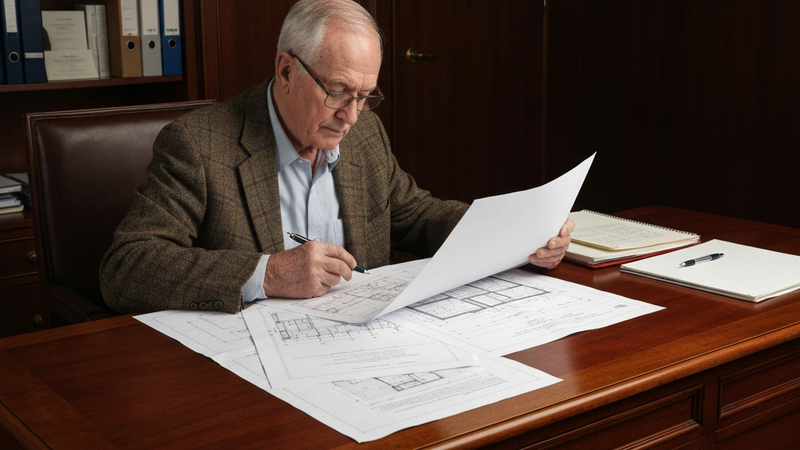
Three items sit on top of the ordinary condominium review. Landmark obligations, which govern exterior work and designated interiors and carry approval processes the building funds. Cost allocation between residential and commercial, since the two share a structure under separate ownership.
And the capital plan for a 1913 building. Facade, systems and lifts have replacement cycles, and the reserve study should state what is scheduled and how it is funded rather than leaving it to be discovered later.
Then the ordinary review: audited financial statements, the reserve balance in dollars, assessment history and two years of board minutes. A historic building with a well-funded reserve is a better purchase than a new one with a thin one.
Our building diligence guide lists every document and what each reveals.
4. Buying Here as an Overseas Purchaser

Where the ownership is condominium the process is straightforward: no board approval vote, non-resident and entity ownership accepted, subletting governed by building rules rather than a board's discretion.
Mansion tax applies from $1 million on the whole price, reaching 2.25% between $5 and $10 million and 3.25% above $10 million, paid by the buyer at closing. Obtain common charges and property tax for the specific unit rather than a building average.
Settle ownership structure before contract; US estate tax reaches non-resident owners above a $60,000 exemption on US-situs assets. See our estate tax guide and buying from overseas guide.
Sharing a structure with commercial floors
Establish where residents enter, which lifts serve the residential floors, how deliveries and service access work, and precisely which costs each side bears. In a building with two owners and two uses, those answers are contractual rather than customary.
Ask your attorney to read the relevant agreements directly. A description in a sales presentation and a provision in the documents are different things, and only one of them is enforceable.
Why the crown matters commercially
A building with a recognised silhouette carries a name that travels internationally, which is exactly the quality that widens a resale pool. A purchaser in another country who has never been to New York knows what this building is.
That is the same argument branded residences make, arriving here through a century of standing rather than through a licence agreement. Both work commercially; this version cannot be replicated by anyone.
Comparables in a small conversion
Closed sale prices are public record, but a conversion with relatively few residences produces relatively few of them, and the units are not equivalent to each other. Raw price per square foot comparisons mislead here more than usual.
The workable method is to extend the comparison to other landmark conversions in Manhattan, adjusting for floor, outlook and condition. Our negotiation guide covers how to build and defend that set.
Final Thoughts: A Building That Predates the Skyline
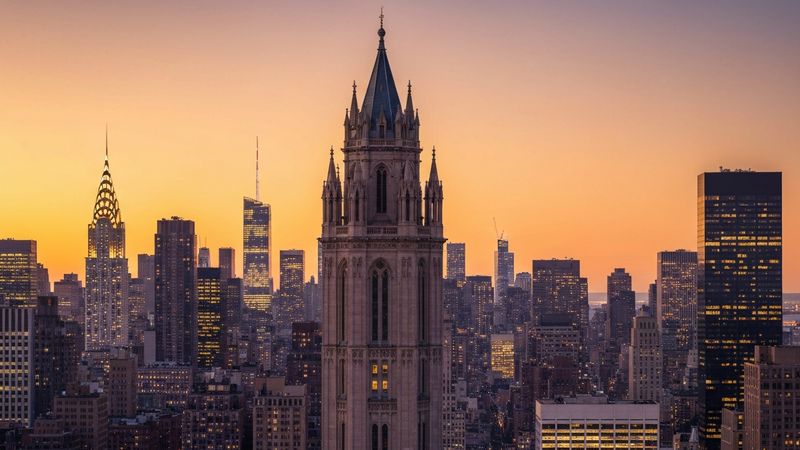
New construction can offer larger floor plates, taller ceilings and current systems. It cannot offer a tower that held the world record for seventeen years and has stood on the same block since 1913. For a buyer who values that, this is the building, and the additional diligence a landmark conversion requires is the price of admission rather than a warning.
We cover lower Manhattan on Satoshi Onodera's YouTube channel and on Instagram. If a residence here is in view, talk to our team and we will obtain the documents and the cost allocation first. Real estate brokerage services are provided through licensed professionals.
For a buyer choosing between this and a new downtown tower, the comparison is between two kinds of certainty. New construction offers documented systems and predictable layouts with no surprises in the first decade. A 1913 landmark offers rooms and a silhouette that cannot be recreated, in exchange for a longer document list.
Both are defensible positions. What is not defensible is choosing on photographs, and this is exactly the kind of building where a properly run walkthrough settles the question in one direction or the other.
One further practical point for an overseas purchaser. A building of this profile attracts attention, and apartments in it are discussed publicly in a way that ordinary transactions are not. Buyers who value discretion should raise that with their attorney early, since ownership structure is the point at which it is addressed rather than afterwards.
Reinvent NY provides business consulting, operational support, and coordination services. Legal advice and immigration filings are handled by independent licensed attorneys. Real estate services are provided through licensed professionals and applicable brokerage relationships. This article is for informational purposes only and does not constitute legal or investment advice.
More buildings worth knowing: Olympic Tower, One57, The Ritz-Carlton Residences NoMad. The full set is indexed under New York building profiles.

Satoshi Onodera
Founder & CEO, Reinvent NY Inc.
Founded Reinvent NY in 2024. Providing relocation support from all over the world to America.
Ready to Get Started?
Our team in New York is ready to help with your visa, real estate, or relocation needs.
Schedule a ConsultationFrequently Asked Questions
Where is the Woolworth Building?
233 Broadway, opposite City Hall Park in lower Manhattan. The location is on [Google Maps](https://maps.google.com/?q=233+Broadway+New+York).
When was it built?
It was completed in 1913 to the design of Cass Gilbert, and was the tallest building in the world until 1930.
Which part is residential?
The upper portion of the tower was converted to private residences. The lower floors remain in commercial use, so the building serves two purposes under separate ownership.
Is it a landmark?
Yes. The building is a designated landmark and a National Historic Landmark, which governs exterior work and certain interior spaces.
How do the apartments differ from new construction?
They follow a 1913 structure, so ceiling heights, window positions and room proportions vary considerably between units rather than repeating floor to floor.
Can an overseas buyer purchase here?
Where the ownership is condominium, yes - no board approval vote, and non-resident and entity ownership are generally accepted. Confirm the form for the specific unit.
What should I confirm first?
How residential and commercial costs are allocated, the landmark obligations and how they are funded, the reserve balance and capital plan, and the actual monthly charges for the specific residence.
Real Estate Guides & Data
More guides
- Combining NYC Apartments: Two Units Into One Home
- Co-op Sublet Rules: Renting Out the Shares
- Depreciation on a US Rental: The 27.5 Years
- Renting to Students in NYC: Guarantors and Group Leases
- Mortgages for Foreign Nationals: US Property Financing
- Common Charges vs Maintenance: What Monthlies Contain
Related Articles
Greenwood Heights Brooklyn Real Estate Guide 2026
A senior advisor's guide to Greenwood Heights, Brooklyn: boundaries, housing stock, 2026 prices and rents, transit, and who this quiet neighborhood suits.
Buying a Townhouse in NYC: A 2026 Buyer's Guide
Buying a townhouse in NYC means owning the land, the roof and every repair. How pricing, property tax class, financing and due diligence actually work.
30 Park Place: Four Seasons Residences Downtown
Robert A.M. Stern's 30 Park Place put Four Seasons service in Tribeca, hotel below and private residences above. What that model delivers and what to confirm.
Ditmas Park Brooklyn Real Estate Guide 2026
An authoritative 2026 guide to Ditmas Park real estate: Victorian housing stock, prices, rents, transit, and schools for international buyers and renters.