The Ritz-Carlton Residences NoMad: Service, Downtown
Ritz-Carlton put its New York residences below 34th Street rather than on Central Park. The tower at 25 West 24th Street, designed by Rafael Vinoly Architects, combines a hotel with private condominium residences in NoMad — a district of low brick warehouses that spent a century as a commercial quarter before it became a residential one.
That choice of location is the interesting part of the building, and it changes what a buyer is actually acquiring. Let's work through what the branded model delivers and what has to be established before an offer.
1. What the Building Is
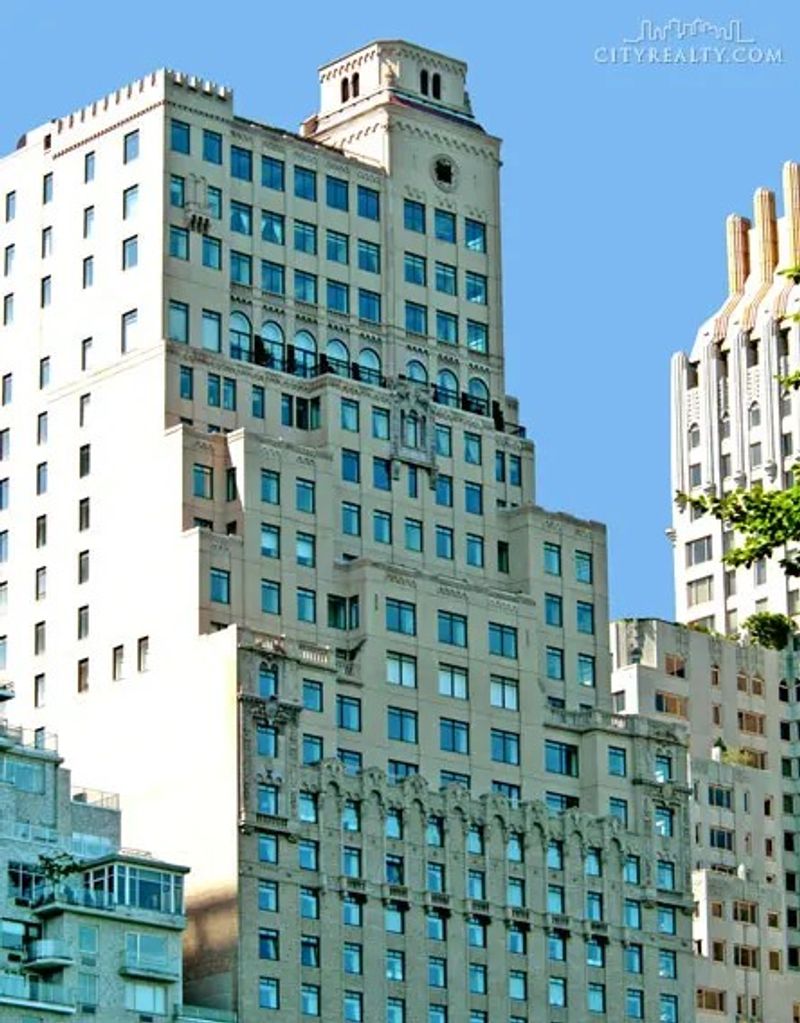
A slender tower on a corner site, from the practice that designed 432 Park Avenue. The architectural language is restrained rather than theatrical — the drama here comes from the contrast with the surrounding low-rise brick, not from the tower competing with other towers.
The building holds a hotel and private residences, which is the standard branded-residence configuration. The service infrastructure exists because the hotel requires it, and residents draw on it under the terms set out in the condominium documents.
That arrangement is why the model works commercially. A residential building alone could not justify staffing at hotel depth; a building that already runs a hotel can extend it to a relatively small number of apartments at a marginal cost that residents then fund through their charges.
| Attribute | Detail |
|---|---|
| Address | 25 West 24th Street, Manhattan |
| District | NoMad, north of Madison Square Park |
| Architect | Rafael Vinoly Architects |
| Configuration | Hotel and private residences |
| Ownership | Condominium |
| Board approval | Right of first refusal only |
Building facts. Unit-level figures - size, exposure, charges, tax - must be obtained for the specific residence.
The location is on Google Maps here, a block north of Madison Square Park.
2. What a Brand Actually Buys
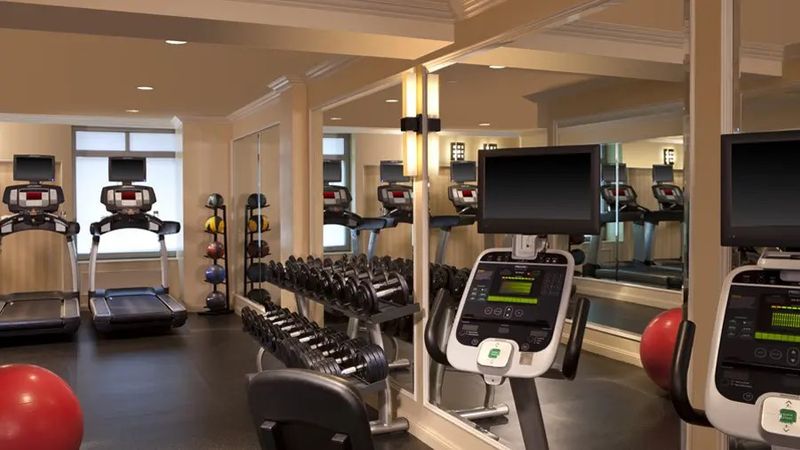
Three things, and they are worth separating because buyers frequently conflate them. A service standard, delivered by staff trained to a hotel operator's specification rather than to a building manager's. A recognised name, which shortens the explanation required when the apartment is eventually resold to a purchaser abroad.
And an operating discipline, since the operator has its own reputation attached to how the building is run and a commercial interest in the standard being maintained rather than allowed to drift.
What it does not buy is permanence. The branding arrives through an agreement with a term, and a building can lose a brand — several in other cities have. That does not make the model unsound, but it does mean the agreement is a document to read rather than a feature to assume.
Our branded residences guide sets out the questions to ask about the agreement itself, and our comparison of branded buildings in New York covers how the market prices them.
3. Why the District Matters Here
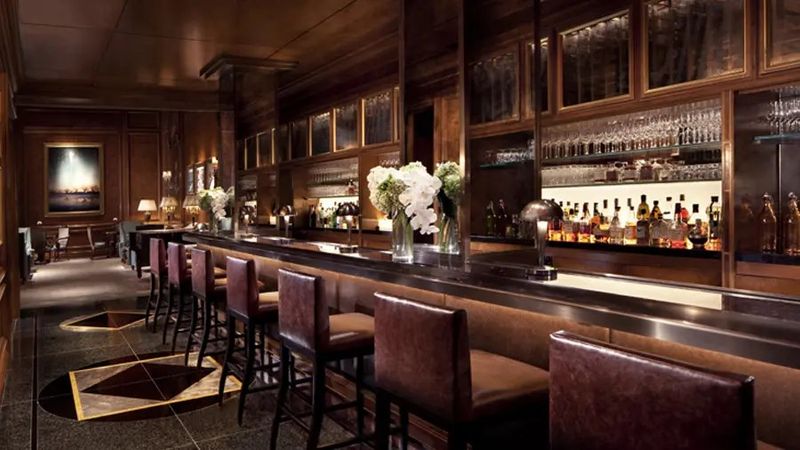
Most branded residences in New York sit within a few blocks of Central Park. This one does not, and for a certain buyer that is the appeal rather than a compromise. NoMad is a working neighbourhood with restaurants, offices and a park at its centre, rather than a district defined by its proximity to a tourist attraction.
The practical consequences are real. Downtown and Midtown are both close. The building stock around it is protected largely by its own age and scale, which means the surroundings are unlikely to change dramatically. And the price per square foot in this district has historically sat below the Central Park frontage.
The trade is resale recognition. An overseas purchaser who has never visited New York knows what Central Park is; NoMad requires a sentence of explanation. For an owner selling into an international market, that sentence has a cost.
Weigh that against the carrying cost. New York condominium operating expense runs a median $15.52 per square foot a year in Manhattan, and branded buildings sit meaningfully above it — see our luxury purchase guide for how to model the full monthly figure.
4. Buying Here as an Overseas Purchaser
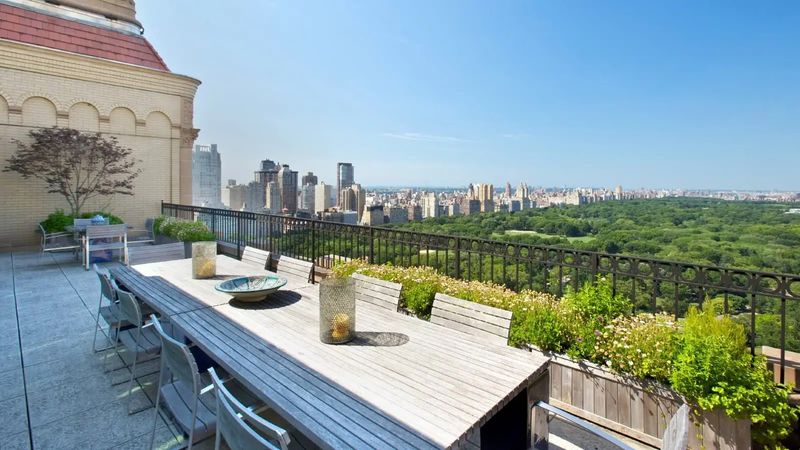
Procedurally straightforward as a condominium: no board approval vote, non-resident and entity ownership accepted, subletting governed by building rules rather than a board's discretion. That is the reason branded buildings appear so consistently on international shortlists.
Mansion tax reaches 2.25% between $5 and $10 million and 3.25% above $10 million, charged on the whole price and paid by the buyer at closing. Where units are sold by the sponsor, the New York City and State transfer taxes are customarily shifted onto the purchaser, roughly a further 1.8 to 2.0%.
Settle ownership structure before contract; US estate tax reaches non-resident owners above a $60,000 exemption on US-situs assets. See our estate tax guide and buying from overseas guide.
Reading the branding agreement
Ask your attorney for four specifics: the remaining term, the renewal mechanics, the termination rights on either side, and what happens to the residential service model if the hotel operation changes hands or the agreement lapses.
Those answers are in the offering plan and the condominium documents rather than in a sales presentation. A building that answers them clearly is not making a concession; it is demonstrating that the arrangement was structured to be read.
Sharing a building with a hotel
Establish where residents enter, which lifts serve the residential floors, how deliveries and service access are handled, and how shared costs are allocated between the hotel and the residential condominium. Mixed-use buildings work when that boundary is drawn precisely and cause friction when it is not.
The allocation is set out in documents and determines a meaningful share of what owners pay each month. Ask which costs the residential condominium bears and which sit with the hotel, and get the answer in writing rather than in conversation.
What to do before travelling
Almost all of this work can be completed before anyone gets on a plane. The financial statements, the reserve balance, the assessment history, the board minutes and the branding agreement are all documents, and they can be read from anywhere in the world.
Our remote viewing guide covers how to run the physical inspection on camera, including what to ask an agent to measure and film so that a walkthrough produces evidence rather than an impression.
Final Thoughts: A Deliberate Choice of Address
This building suits a buyer who wants hotel-standard service but does not want the Central Park frontage and the premium attached to it. That is a genuine position rather than a compromise, and NoMad is a better neighbourhood to live in than to explain. Read the branding agreement, model the charges at their real level, and the rest of the decision follows from what kind of address you actually want.
We cover Manhattan's branded buildings on Satoshi Onodera's YouTube channel and on Instagram. Before signing at a sales gallery, talk to our team and we will read the documents and the carrying costs first. Real estate brokerage services are provided through licensed professionals.
One final comparison worth making. The branded buildings in New York now span several districts and two ownership models, and the differences between them are larger than the shared vocabulary suggests. Put two or three side by side on service depth, charge per square foot and agreement term before deciding which name matters to you.
That exercise usually settles the question quickly. Buyers who begin convinced that only one brand will do frequently find that what they actually wanted was the staffing level, which several buildings provide, at prices that differ considerably.
Reinvent NY provides business consulting, operational support, and coordination services. Legal advice and immigration filings are handled by independent licensed attorneys. Real estate services are provided through licensed professionals and applicable brokerage relationships. This article is for informational purposes only and does not constitute legal or investment advice.
More buildings worth knowing: Waldorf Astoria Residences, 111 West 57th Street, 432 Park Avenue. The full set is indexed under New York building profiles.

Satoshi Onodera
Founder & CEO, Reinvent NY Inc.
Founded Reinvent NY in 2024. Providing relocation support from all over the world to America.
Ready to Get Started?
Our team in New York is ready to help with your visa, real estate, or relocation needs.
Schedule a ConsultationFrequently Asked Questions
Where are the Ritz-Carlton Residences in NoMad?
25 West 24th Street, at the corner of Broadway in the NoMad district of Manhattan. The location is on [Google Maps](https://maps.google.com/?q=25+West+24th+Street+New+York).
Who designed the building?
Rafael Vinoly Architects, the practice also responsible for 432 Park Avenue. The tower combines a hotel and private condominium residences.
What is NoMad?
The district north of Madison Square Park, historically commercial and largely low-rise brick, which has become residential over the past two decades.
How does a branded residence work?
Owners hold ordinary condominium title. The brand and its service standards arrive through an agreement with the hotel operator, which is a contract with a term rather than a permanent feature of the building.
What does the service actually cost?
Branded buildings carry higher common charges than unbranded ones because the staffing model is deeper. Obtain the charge per square foot and compare it against unbranded buildings of similar size.
Can an overseas buyer purchase here?
Yes. It is a condominium, so there is no board approval vote and non-resident and entity ownership are generally accepted.
What should I confirm before an offer?
The term and renewal mechanics of the branding agreement, the reserve balance, assessment history, two years of board minutes, and the actual monthly charges for the specific residence.
Real Estate Guides & Data
More guides
- Renting Before Buying: The Test Year Strategy
- Seller Financing and Creative Deal Structures
- Small-Scale Development: From Owner to Builder
- Tenant Screening in NYC: Choosing Within the Rules
- Opening a US Bank Account: What a Non-Resident Needs
- NYC Utility Costs: What Apartments Cost to Run
Related Articles
Downtown Brooklyn Real Estate Guide 2026
Our 2026 guide to Downtown Brooklyn real estate covers boundaries, buildings, prices, rents, transit, and schools for international buyers and renters.
Co-op Financial Statements: What Buyers Must Check
How to read a NYC co-op's financial statements before you buy: underlying mortgage, reserves, sponsor units, flip tax reliance, and capital project risk.
Crown Heights Brooklyn Real Estate Guide 2026
A senior local advisor's guide to buying and renting in Crown Heights, Brooklyn: boundaries, buildings, prices, transit, and who the neighborhood truly suits.
Common Charges NYC: A Condo Buyer's Guide
What NYC condo common charges cover, typical per-square-foot ranges in 2026, and the reserve-fund red flags that signal a special assessment is coming.