Greenwood Heights Brooklyn Real Estate Guide 2026
What Greenwood Heights Actually Is
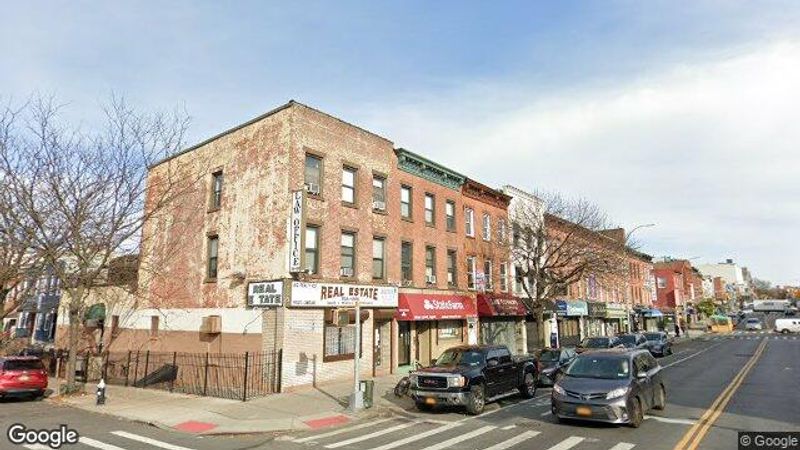
Our team in New York describes Greenwood Heights as the quiet residential pocket wedged between Park Slope, Sunset Park, and the historic Green-Wood Cemetery. Roughly bounded by Prospect Avenue to the north, 7th Avenue to the east, 36th Street to the south, and 3rd Avenue to the west, it remains one of Brooklyn's least crowded, most overlooked enclaves.
The neighborhood's identity is tied directly to the cemetery itself, a 478-acre National Historic Landmark founded in 1838 that shaped the surrounding streets' low density and leafy calm. Historically working-class and Italian, Greenwood Heights later absorbed spillover demand from Park Slope gentrification, becoming a value alternative rather than a destination in its own right.
Today it reads as understated and residential, with rowhouses, small apartment buildings, and a scattering of newer condo development along its edges. There is no single commercial spine; instead, small clusters of shops and cafes appear along 5th Avenue and along Prospect Avenue. Our clients tend to describe it as 'Park Slope-adjacent calm' rather than a scene in itself.
The Housing Stock
Greenwood Heights is dominated by 19th-century rowhouses, many built in the 1880s–1900s in Italianate and Neo-Grec styles, mixed with modest brick multifamily buildings from the early 20th century. Most rowhouses run two to three stories over garden level, often converted into two- or three-family configurations rather than kept as single-family homes.
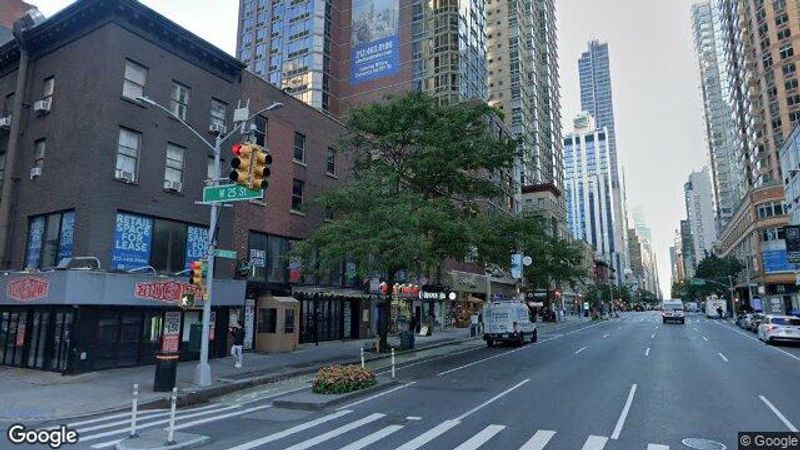
New development is limited but present, concentrated near 3rd Avenue and 4th Avenue where mid-rise condo conversions and ground-up buildings have appeared over the past decade, typically five to seven stories with elevator service and parking, a rarity for this part of Brooklyn. There are no architecturally famous towers here; the appeal is scale, not signature design.
Unit types skew toward one- and two-bedroom co-ops and condos in converted buildings, alongside full brownstone-style townhouses for buyers wanting outdoor space or a backyard. Renovated units with original details — tin ceilings, wood floors, exposed brick — command premiums. Our licensed brokerage network sees consistent demand for move-in-ready two-bedrooms with private outdoor access.
Prices and Rents
Pricing in Greenwood Heights remains meaningfully below Park Slope while tracking above Sunset Park, reflecting its in-between geography. As of 2026, approximate asking prices for co-ops and condos run from $650,000 to $950,000 for one-bedrooms and $950,000 to $1.4 million for two-bedrooms, figures subject to market conditions and unit finish.
Townhouse pricing is where value becomes apparent: multifamily rowhouses trade approximately between $1.6 million and $2.6 million, notably lower than comparable Park Slope stock a few blocks north. Rental demand is steady but not frenzied, driven by tenants priced out of Park Slope seeking similar brownstone character at a discount.
| Area | 1BR Condo/Co-op | 2BR Condo/Co-op | 1BR Rent (Monthly) | 2BR Rent (Monthly) |
|---|---|---|---|---|
| Greenwood Heights | $650K–$950K | $950K–$1.4M | $2,600–$3,300 | $3,400–$4,400 |
| Park Slope | $850K–$1.2M | $1.3M–$2.0M | $3,200–$4,000 | $4,200–$5,500 |
| Sunset Park | $500K–$750K | $700K–$1.0M | $2,200–$2,800 | $2,800–$3,600 |
| Windsor Terrace | $700K–$980K | $1.0M–$1.5M | $2,700–$3,300 | $3,600–$4,500 |
Approximate 2026 Sale and Rental Prices, Greenwood Heights vs. Nearby Areas
Maintenance and common charges in older co-op buildings tend to run moderate, generally $0.60–$0.90 per square foot monthly, while newer condo developments carry higher charges reflecting elevators and amenities. Buyers should budget separately for these fees, as they materially affect carrying cost comparisons against nearby, seemingly pricier neighborhoods.
Daily Life and Transit
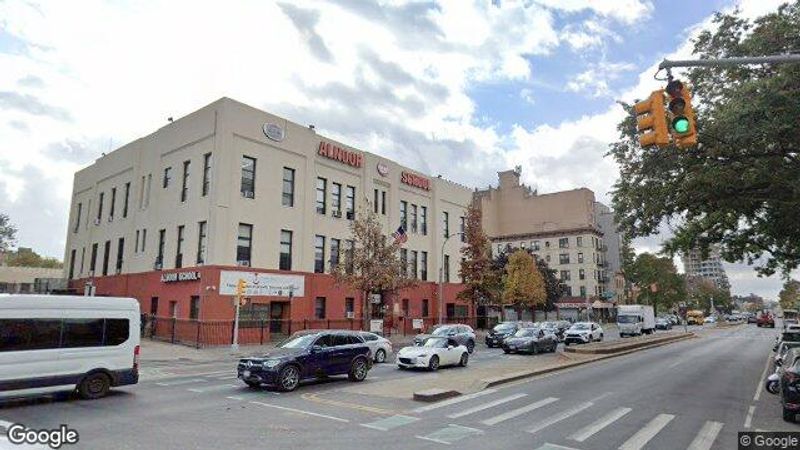
Subway access centers on the R train at 36th Street and Prospect Avenue, with the D and N trains reachable at 36th Street's express stop, giving Manhattan commutes of roughly 30–40 minutes to Midtown. The neighborhood lacks its own express service, a tradeoff residents accept for lower density and quieter streets.
Grocery needs are met by shops along 5th Avenue and a Key Food on 5th Avenue, supplemented by the larger selection in adjacent Park Slope and Sunset Park. Green space is defined less by parks than by the cemetery's grounds, though Sunset Park itself and Prospect Park are both within a 15–20 minute walk or short bus ride.
| Subway Line | Nearest Station | Destination | Approx. Commute Time |
|---|---|---|---|
| R | 36th St / 4th Ave | Downtown Brooklyn | 12–15 min |
| R | 36th St / 4th Ave | Union Square | 35–40 min |
| D, N | 36th St (4th Ave) | Midtown Manhattan | 30–35 min |
| B/D Express | 9th Ave (via bus transfer) | Midtown Manhattan | 30 min |
Transit and Commute Reference, Greenwood Heights
Public elementary options include P.S. 971 and zoned schools shared with Sunset Park, while families seeking private options typically look toward Park Slope. Daily life here is genuinely local — dry cleaners, bakeries, and small restaurants rather than destination retail — which suits residents prioritizing quiet over convenience or nightlife.
Final Thoughts
Greenwood Heights suits buyers and tenants who want brownstone-adjacent character without Park Slope pricing, and who are comfortable with a quieter, less commercially developed streetscape. It particularly rewards those drawn to the historic gravity of Green-Wood Cemetery and willing to trade some retail convenience for value and calm.
It is a poor fit for clients wanting nightlife, dense retail corridors, or express subway access at their doorstep. Those priorities are better served in Park Slope, Downtown Brooklyn, or Williamsburg, where our licensed brokerage network can identify comparable inventory with different lifestyle tradeoffs.
For long-term holders and family buyers seeking value near established Brooklyn neighborhoods, Greenwood Heights remains a sound, underpriced option in 2026. Our team in New York recommends it primarily to buyers thinking five to ten years out, rather than those seeking immediate rental yield or fast resale liquidity.
Reinvent NY provides business consulting, operational support, and coordination services. Real estate services are provided through licensed professionals and applicable brokerage relationships. This article is for informational purposes only and does not constitute legal or investment advice.
Nearby neighbourhoods: Park Slope, Prospect Heights, Red Hook. All Brooklyn guides are indexed under New York neighbourhood guides.

Satoshi Onodera
Founder & CEO, Reinvent NY Inc.
Founded Reinvent NY in 2024. Providing relocation support from all over the world to America.
Ready to Get Started?
Our team in New York is ready to help with your visa, real estate, or relocation needs.
Schedule a ConsultationFrequently Asked Questions
Is Greenwood Heights the same as Sunset Park?
No. Greenwood Heights is a distinct, smaller enclave bordering Sunset Park to the south and Park Slope to the north, defined largely by its proximity to Green-Wood Cemetery rather than the commercial corridors that define Sunset Park proper.
What subway lines serve Greenwood Heights?
The R train stops at 36th Street and Prospect Avenue, with D and N express trains accessible at the 36th Street station, giving reasonable but not express access to Manhattan compared with neighboring Park Slope stations.
Are prices really lower than Park Slope?
Yes. Approximate 2026 pricing runs 15-30% below comparable Park Slope units for condos, co-ops, and townhouses, reflecting Greenwood Heights' quieter profile and more limited retail infrastructure rather than any difference in building quality.
What kind of buildings dominate the neighborhood?
Mostly 19th-century rowhouses from the 1880s-1900s in Italianate and Neo-Grec styles, alongside modest early-20th-century multifamily brick buildings and a small number of newer mid-rise condo developments near 3rd and 4th Avenues.
Is Greenwood Heights good for families?
It works for families prioritizing quiet streets and proximity to Prospect Park and Sunset Park over dense school or retail options. Zoned public schools are shared with Sunset Park, and private school families typically commute toward Park Slope.
What amenities are within walking distance?
5th Avenue offers cafes, small restaurants, a Key Food grocery, and service retail. Larger shopping, dining, and cultural options require a short walk or bus ride into Park Slope or Sunset Park, both roughly 15-20 minutes away.
Is this a good rental investment area?
It can be a reasonable long-term hold given lower entry prices and steady tenant demand from Park Slope overflow, though rental yields and liquidity are typically stronger in more transit-connected, retail-dense neighborhoods nearby.
Real Estate Guides & Data
More guides
- NYC Utility Costs: What Apartments Cost to Run
- Why New York: The Long Case for the Deep Market
- Building Amenities: What the Pool Actually Costs You
- Bidding Wars in NYC: Winning Without Overpaying
- Building Staff and Holiday Tipping: The Unwritten Rules
- Buying Your Office: Commercial Condos for Founders
Related Articles
Coney Island Brooklyn Real Estate Guide 2026
An expert 2026 guide to buying and renting in Coney Island, Brooklyn — housing stock, prices, transit, and who this seaside neighborhood truly suits.
Offering Plan NYC: What Buyers Check Before Signing
The NYC offering plan is the disclosure document filed with the NY Attorney General. What is inside it, why amendments matter, and what attorneys check first.
Buying a Townhouse in NYC: A 2026 Buyer's Guide
Buying a townhouse in NYC means owning the land, the roof and every repair. How pricing, property tax class, financing and due diligence actually work.
Woolworth Tower Residences: Living in a 1913 Landmark
The top of Cass Gilbert's 1913 Woolworth Building was converted to private residences. What a landmark conversion of this kind offers, and what to confirm.