Coney Island Brooklyn Real Estate Guide 2026
What Coney Island Actually Is
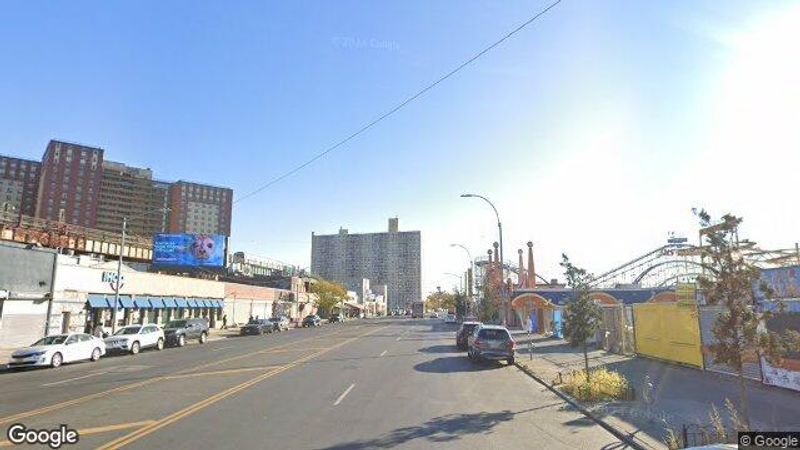
Coney Island sits at Brooklyn's southern tip, bounded by the Atlantic Ocean to the south, Brighton Beach to the east, and Gravesend to the north. Our team in New York describes it to overseas clients as a peninsula neighborhood built around a historic amusement district, a public beach, and a working-class residential core that has slowly diversified.
The area rose to fame in the late 1800s as America's premier seaside resort, with Luna Park and Dreamland drawing millions before fires and the Depression eroded the original amusement empires. Postwar decades brought large public and subsidized housing towers, and the neighborhood's identity shifted from resort town to a quieter, working residential district.
Today's Coney Island blends Riegelmann Boardwalk tourism, revived amusement operators like Luna Park, and residential blocks along Mermaid Avenue and Neptune Avenue. It remains distinct from Brighton Beach, its more commercial and densely Russian-speaking neighbor to the east, despite the two areas often being confused by newcomers.
The Housing Stock
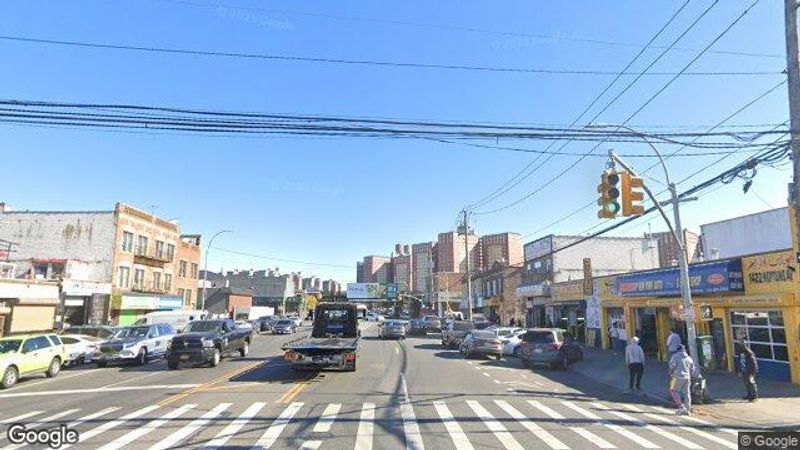
Coney Island's residential fabric is dominated by mid-century high-rise towers, many built under Mitchell-Lama and NYCHA programs in the 1950s–1970s, including Trump Village and Warbasse Houses along Neptune Avenue and Shore Parkway. These developments offer large co-op apartments, often 800 to 1,400 square feet, with in-house management and modest common charges.
Trump Village, developed in the early 1970s across several towers near Ocean Parkway, remains one of the area's most recognizable co-op complexes, alongside Sea Rise and Sea Breeze co-ops nearer the boardwalk. Newer construction is limited, though scattered low-rise multifamily buildings and a handful of post-2010 residential projects have appeared near West 21st Street.
Unit types skew toward one- and two-bedroom co-ops rather than condos or single-family homes; true condominium inventory is thin compared with brownstone Brooklyn. Buyers should expect board approval processes typical of co-ops, subletting restrictions, and building-specific flip taxes — details our licensed brokerage network reviews closely before any offer is drafted.
Prices and Rents
Pricing in Coney Island remains notably lower than most of Brooklyn, reflecting its co-op-heavy stock, distance from Manhattan, and seasonal character. Approximate 2026 figures, subject to market conditions, place one-bedroom co-op resale prices between $180,000 and $320,000, with two-bedrooms typically $260,000 to $420,000, far beneath Brighton Beach or Park Slope comparables.
Rental demand is steady but price-sensitive, driven by proximity to the beach, the D, F, N, and Q subway terminus, and lower rents relative to northern Brooklyn. Studios and one-bedrooms rent from roughly $1,700 to $2,300 monthly, while two-bedrooms in co-op or rental buildings run $2,200 to $3,000, again approximate and season-dependent.
| Neighborhood | 1BR Sale Price | 2BR Sale Price | 1BR Monthly Rent |
|---|---|---|---|
| Coney Island | $180K–$320K | $260K–$420K | $1,700–$2,300 |
| Brighton Beach | $260K–$420K | $380K–$550K | $2,000–$2,700 |
| Sheepshead Bay | $300K–$480K | $420K–$650K | $2,100–$2,800 |
| Park Slope | $650K–$950K | $1.1M–$1.8M | $3,200–$4,200 |
Approximate Coney Island prices vs. nearby Brooklyn neighborhoods (2026, subject to market conditions)
Investors should weigh co-op financing restrictions against yield: gross rental yields in Coney Island can exceed 5%, higher than gentrified northern Brooklyn, but liquidity is thinner and appreciation slower. Our team in New York advises clients to treat this as a value and income play rather than a rapid-appreciation bet.
Daily Life and Transit
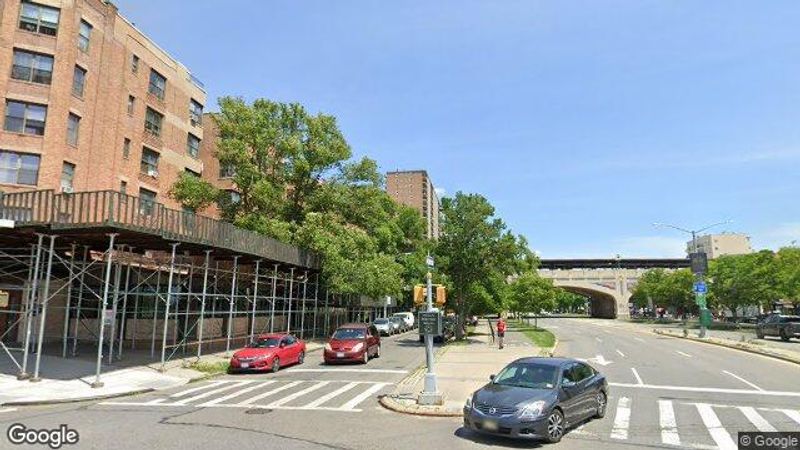
Transit access is a genuine strength: the Stillwell Avenue terminal serves the D, F, N, and Q lines, giving direct rides to Manhattan's Union Square or Herald Square in roughly 50–60 minutes. This is a long commute by Manhattan standards, which is precisely why pricing stays soft relative to the rest of Brooklyn.
Daily life centers on the Riegelmann Boardwalk, Coney Island Beach, and Luna Park, with groceries available at supermarkets along Mermaid Avenue and Neptune Avenue, plus a seasonal farmers market. Public schools serve the area through the NYC Department of Education zones, and residents rely on buses like the B36 and B68 for local connections.
| Subway Line | Terminal Station | Destination | Approx. Commute Time |
|---|---|---|---|
| D Train | Coney Island–Stillwell Ave | Union Square | 55 min |
| F Train | Coney Island–Stillwell Ave | 34th St–Herald Sq | 60 min |
| N Train | Coney Island–Stillwell Ave | Times Square | 50 min |
| Q Train | Coney Island–Stillwell Ave | Canal Street | 48 min |
Coney Island transit and commute times to key Manhattan hubs
Green space is ample by NYC standards, with the boardwalk itself functioning as a linear park and nearby Asser Levy Park hosting cultural events. Seasonality shapes everything here — summer brings crowds and vibrancy, while winter turns the neighborhood notably quiet, a rhythm buyers should factor into lifestyle expectations.
Final Thoughts
Coney Island suits value-oriented buyers and investors seeking rental yield rather than rapid appreciation, along with lifestyle buyers drawn to beach living, boardwalk culture, and a slower seasonal pace. It also appeals to those comfortable with co-op governance and longer subway commutes in exchange for meaningfully lower entry prices.
It is a poor fit for clients wanting condominium flexibility, brownstone character, or a five-minute Manhattan commute. Those prioritizing prestige addresses, dense retail corridors, or maximum liquidity should look toward Park Slope, Williamsburg, or Downtown Brooklyn instead, where our licensed brokerage network can present far deeper inventory.
For the right buyer, Coney Island offers genuine seaside living within city limits at a fraction of typical Brooklyn pricing. Our team in New York recommends an in-person visit across both summer and winter before committing, since the neighborhood's character shifts dramatically with the seasons.
Reinvent NY provides business consulting, operational support, and coordination services. Real estate services are provided through licensed professionals and applicable brokerage relationships. This article is for informational purposes only and does not constitute legal or investment advice.
Nearby neighbourhoods: Crown Heights, Ditmas Park, Downtown. All Brooklyn guides are indexed under New York neighbourhood guides.

Satoshi Onodera
Founder & CEO, Reinvent NY Inc.
Founded Reinvent NY in 2024. Providing relocation support from all over the world to America.
Ready to Get Started?
Our team in New York is ready to help with your visa, real estate, or relocation needs.
Schedule a ConsultationFrequently Asked Questions
Is Coney Island a good investment in 2026?
It offers above-average rental yields and low entry prices compared with the rest of Brooklyn, approximate and subject to market conditions. Appreciation is slower than gentrifying neighborhoods, making it better suited to income-focused investors than short-term flippers.
Are most Coney Island apartments co-ops or condos?
The majority are co-ops, many from Mitchell-Lama-era developments like Trump Village and Warbasse Houses. True condominiums are scarce, so buyers should prepare for co-op board approval, subletting rules, and building-specific financial requirements.
How long is the subway commute to Manhattan?
From the Stillwell Avenue terminal, the D, F, N, and Q trains take roughly 48 to 60 minutes to reach Manhattan hubs like Union Square or Times Square, depending on the line and time of day.
Is Coney Island the same as Brighton Beach?
No. They are adjacent but distinct neighborhoods. Coney Island centers on the boardwalk and amusement district, while Brighton Beach to the east is denser, more commercial, and has a stronger Russian-speaking residential community.
What does the neighborhood feel like in winter?
Considerably quieter than summer. Amusement operators like Luna Park scale back or close seasonally, foot traffic drops sharply, and the boardwalk becomes far less active, which buyers should factor into lifestyle expectations.
What are typical rents for a one-bedroom?
Approximate 2026 rents range from $1,700 to $2,300 monthly for a one-bedroom, subject to market conditions and building type. Co-op rentals and older rental stock tend to sit at the lower end of that range.
Are there good parks and outdoor space nearby?
Yes. The Riegelmann Boardwalk functions as an extended linear park along the beach, and Asser Levy Park nearby hosts community and cultural events, giving residents ample outdoor access beyond typical urban green space.
Real Estate Guides & Data
More guides
- Buying in Manufactured Districts: Hudson Yards Logic
- Marketing an Apartment: The Listing's Craft
- Reading NYC Market Reports: Data Without the Spin
- Moving Into a NYC Building: Movers, Rules, and COIs
- Buying New Development: The Costs Sponsors Shift to You
- Renting in New York: What It Costs and How Approval Works
Related Articles
Long Island City Real Estate Guide 2026
An expert 2026 guide to buying and renting in Long Island City, Queens — buildings, prices, rents, transit, and honest advice from our New York team.
One Wall Street: An Art Deco Bank, Now Apartments
Ralph Walker's 1931 tower at One Wall Street became one of New York's largest office-to-residential conversions. What that offers, and what to confirm first.
Offering Plan NYC: What Buyers Check Before Signing
The NYC offering plan is the disclosure document filed with the NY Attorney General. What is inside it, why amendments matter, and what attorneys check first.
Greenwood Heights Brooklyn Real Estate Guide 2026
A senior advisor's guide to Greenwood Heights, Brooklyn: boundaries, housing stock, 2026 prices and rents, transit, and who this quiet neighborhood suits.