NYC Buyer Agent Commission: Who Pays in 2026
On August 17, 2024, the arrangement that had set buyer's agent pay across most of the United States for half a century stopped. Offers of compensation came off NAR-affiliated multiple listing services, and written buyer agreements became mandatory before a first showing.
New York City had already moved, and for its own reasons. REBNY, which operates the Residential Listing Service used across Manhattan and much of Brooklyn, removed blanket offers of compensation from the RLS on January 1, 2024 — nearly eight months ahead of the national deadline and independently of the settlement.
What changed in practice is narrower than the headlines suggested, and what did not change surprises most buyers. Let's examine who actually funds the buyer's agent in New York City in 2026, what is genuinely negotiable, and what belongs in the agreement you now sign before you tour anything.
What the NAR Settlement Actually Changed

The settlement, announced in March 2024 and granted final approval by the federal court in Missouri in November 2024, resolved antitrust claims for $418 million paid over roughly four years. Its practical weight lies in two rule changes, not in the money.
First, listing brokers may no longer publish blanket offers of buyer-agent compensation on a NAR-affiliated MLS. Second, an MLS participant working with a buyer must have a written agreement in place before touring a home, stating the compensation the buyer agrees to pay.
What the settlement did not do is equally important. It set no commission rate, capped nothing, and prohibited no one from paying a buyer's agent. Commissions were always legally negotiable; the change removed the central place where a customary number was advertised. The National Association of REALTORS continues to state that compensation remains fully negotiable between the parties.
Why New York City Runs on Different Rails
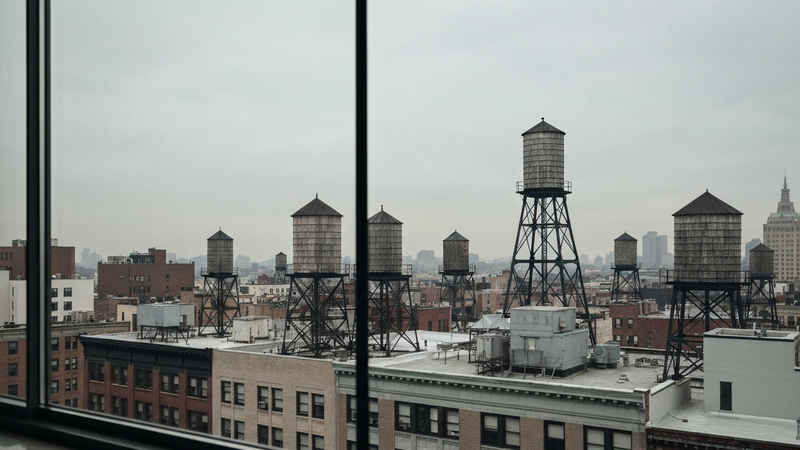
Manhattan and Brooklyn transact largely through REBNY's RLS, which is not a NAR-affiliated MLS. The settlement's rules therefore did not bind the city's dominant listing platform, and New York's timeline was set by REBNY policy instead.
The structural change under REBNY's rules is who makes the offer. Compensation to a buyer's broker now flows from the seller, negotiated as part of the listing and communicated directly, rather than being advertised by the listing broker to the wider brokerage community through the listing feed.
New York layers its own consumer rules on top. State agency disclosure has long been mandatory at first substantive contact, and firms must publish standardized operating procedures describing how they work with prospective buyers. The New York State Department of State licenses and supervises the brokers involved. For a wider view of national norms, see our overview of real estate agent commissions in the US.
Who Pays in Practice in 2026

Most New York City sellers still fund the buyer's agent fee. The reason is competitive rather than regulatory: sellers compete for a limited pool of qualified buyers, and the large majority of resale buyers arrive represented. A listing that offers nothing narrows its own audience on day one.
Predictions that the fee would collapse to zero have not materialized in Manhattan or Brooklyn. What has changed is where the conversation happens — at the listing agreement and again at the offer, rather than silently inside a data feed the buyer never saw.
| Item | Before 2024 | NYC practice in 2026 |
|---|---|---|
| Where compensation appears | Published in the listing feed | Not published; communicated directly to the buyer's broker |
| Who offers it | Listing broker to buyer's broker | Seller to buyer's broker |
| Written buyer agreement | Common but often informal | Standard before showings begin |
| Typical total commission | Roughly 5-6% of price | Roughly 5-6%, negotiated more openly |
| New development | Sponsor published a co-broke | Sponsor still pays, confirmed deal by deal |
| If the seller offers nothing | Rare | Buyer covers the gap under the agreement |
Ranges are observed market practice in Manhattan and Brooklyn, not fixed standards. Every fee is negotiable.
The split has loosened rather than collapsed. A total fee near 5-6% divided broadly in half remains the common shape, with the buyer side frequently in the 2-3% range, though the number is now argued deal by deal and sometimes negotiated down at the offer stage rather than at the listing stage.
Should buyers go unrepresented to capture the savings?
Some argue the logical response is to skip the buyer's agent entirely and demand the fee back as a price reduction. In practice, unrepresented buyers rarely capture it. The listing agent's fiduciary duty runs to the seller, and dual agency in New York requires informed written consent while materially limiting advocacy on either side.
The saving is also a negotiating chip the seller controls, not a rebate the buyer is owed, and it most often stays where it started. A disciplined offer strategy — comparable sales, days on market, the seller's timing — routinely moves a price further than the buyer-side fee ever represented.
The Agreement You Sign, and New Development
The buyer representation agreement is now the document that determines what you pay, and it is the one most buyers sign fastest. Its terms are negotiable, including the fee itself, the length of the commitment, and whether the arrangement is exclusive at all.
| Term | What to confirm before signing |
|---|---|
| Fee | A stated percentage or flat dollar amount, never 'prevailing market rate' |
| Term length | A defined end date; a shorter first term is easier to justify than a long one |
| Scope | Which boroughs, price ranges, and property types the agreement covers |
| Seller-paid offset | That any compensation paid by the seller reduces what you owe dollar for dollar |
| Shortfall | Who covers the gap when the seller offers less than the agreed fee |
| Protection period | How long after termination a previously shown property still triggers a fee |
| Termination | The notice required, and whether either side may end the agreement |
Ask for each of these in writing. Verbal assurances about who pays do not survive a contract dispute.
The clause that matters most is the shortfall provision. If your agreement sets a 2.5% fee and the seller offers 2%, the remaining half point becomes your obligation at closing unless the document says otherwise — and it will not appear on any listing you looked at while touring.
New development follows its own logic. Sponsors typically pay buyer agents and treat that budget as a marketing cost, because the offering plan's published prices anchor the value of every unsold unit. A sponsor will more readily pay a broker than discount a price and reset the comparable for the rest of the building. Our guide to buying in new development covers how sponsor units differ at contract.
Final Thoughts

The honest summary for 2026 is that the money still moves the same way in New York City, but the paperwork now makes it visible. Compensation is disclosed, negotiated, and written down before you tour, which is a meaningful improvement over a number embedded in a listing feed buyers never saw.
Three questions settle the issue on any given deal. What total fee has the seller agreed to, how much of it is offered to the buyer side, and what does your own agreement say if those two numbers do not match. Get all three answered in writing before an offer, not after acceptance. Our guides to buying in NYC, choosing an agent, and closing costs set out the rest of the budget.
Our own role is to coordinate a purchase alongside licensed New York agents rather than to act as the brokerage, which means we have no stake in how the fee is split. If you are weighing representation for a purchase in Manhattan or Brooklyn, we are glad to walk through the numbers with you.
Reinvent NY provides business consulting, operational support, and coordination services. Legal advice and immigration filings are handled by independent licensed attorneys. Real estate services are provided through licensed professionals and applicable brokerage relationships. This article is for informational purposes only and does not constitute legal or investment advice.

Satoshi Onodera
Founder & CEO, Reinvent NY Inc.
Founded Reinvent NY in 2024. Providing relocation support from all over the world to America.
Ready to Get Started?
Our team in New York is ready to help with your visa, real estate, or relocation needs.
Schedule a ConsultationFrequently Asked Questions
Who pays the buyer's agent in New York City in 2026?
In most resale transactions the seller still funds the buyer's agent fee, agreed as part of the listing and paid at closing. The difference since 2024 is that the offer is no longer advertised in the listing feed, so it must be confirmed directly and in writing before you make an offer.
What is a typical buyer's agent commission in NYC?
Total commissions commonly fall in the 5-6% range, split roughly in half, which puts the buyer side frequently around 2-3% of the purchase price. These are observed market ranges rather than standards, and every figure is negotiable between the parties.
Did the NAR settlement apply to New York City?
Not directly. Manhattan and much of Brooklyn transact through REBNY's Residential Listing Service, which is not a NAR-affiliated MLS. REBNY adopted its own rules removing blanket offers of compensation from the RLS effective January 1, 2024, ahead of the settlement's August 2024 national changes.
Do I have to sign a buyer representation agreement before seeing apartments?
It is now standard practice to sign one before touring, and it is required under the settlement rules for agents operating on NAR-affiliated MLSs. The terms are negotiable, including the fee, the length of the term, the geographic scope, and whether the arrangement is exclusive.
Can I save money by buying without an agent?
Rarely. The listing agent represents the seller, dual agency in New York requires informed written consent and limits advocacy, and any saved fee is generally retained by the seller or sponsor rather than passed through as a price reduction.
Who pays the buyer's agent on new construction?
Sponsors of new development typically pay buyer agents and treat the cost as a marketing expense, since published offering plan prices anchor the value of unsold units. The terms should still be confirmed in writing for the specific building before you tour or register.
What happens if the seller refuses to pay my agent's fee?
Your buyer representation agreement governs the outcome. A well-drafted agreement offsets anything the seller pays against what you owe and states clearly who covers any shortfall, which is why the fee and the shortfall clause should be settled before you begin viewing properties.
Real Estate Guides & Data
More guides
- Co-op to Condo Conversion: Why Buildings Rarely Switch
- Buying a US Property Without Flying In
- Closing Costs in New York: Every Line, Itemised
- Condo vs Co-op in New York: What Actually Differs
- Borrowing Across Currencies: Debt as an FX Instrument
- The Owner's Document Glossary: Every Paper, Explained
Related Articles
Carroll Gardens Real Estate Guide 2026
An expert 2026 guide to buying and renting in Carroll Gardens, Brooklyn — boundaries, brownstones, prices, transit, and who this neighborhood truly suits.
Cobble Hill Brooklyn Real Estate Guide 2026
A senior advisor's guide to Cobble Hill, Brooklyn: boundaries, brownstones, 2026 prices and rents, transit, schools, and who this quiet neighborhood suits.
220 Central Park South: Limestone Against the Glass
Robert A.M. Stern's limestone tower fronting Central Park, the building that answered the glass supertalls. What it offers, and what to confirm first.
Brooklyn Heights Real Estate Guide 2026
An advisor-level guide to buying and renting in Brooklyn Heights: boundaries, buildings, 2026 prices, transit, and who this landmark district truly suits.