Carroll Gardens Real Estate Guide 2026
What Carroll Gardens Actually Is — Boundaries, Character, How It Got Here
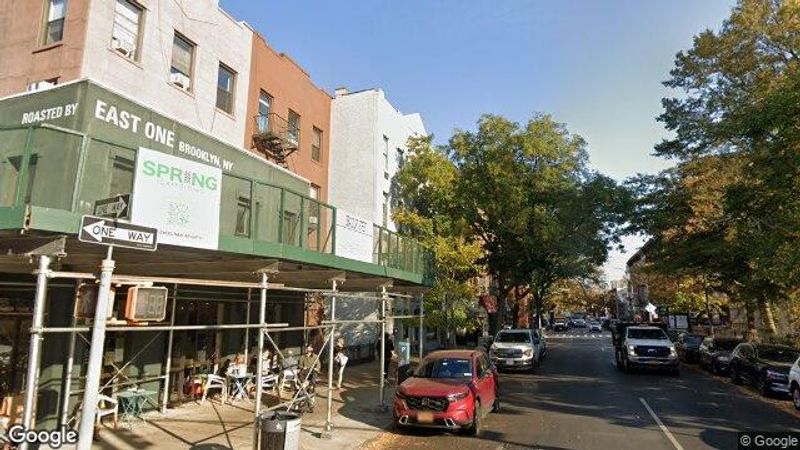
Carroll Gardens sits in south Brooklyn, generally bounded by Degraw Street to the north, the Gowanus Canal to the east, DeGraw/Hamilton Avenue to the south, and the BQE toward Red Hook to the west. It borders Cobble Hill and Boerum Hill, and locals often blur those lines when describing the area to newcomers.
The neighborhood's defining feature is its unusually deep front gardens, a legacy of an 1846 street plan by developer Richard Butts that spaced houses back from the sidewalk. This gives Carroll Gardens a leafy, low-rise texture rarely found elsewhere in brownstone Brooklyn, and it remains a landmarked historic district.
Once a working-class Italian-American enclave built around longshoremen and the Gowanus waterfront, the area gentrified steadily from the 1990s onward. Today it blends old-guard families, young professionals, and international buyers drawn to its townhouse character and Court Street commercial spine, while retaining a distinctly residential, low-density feel.
The Housing Stock — Buildings, Architects, Eras, Unit Types
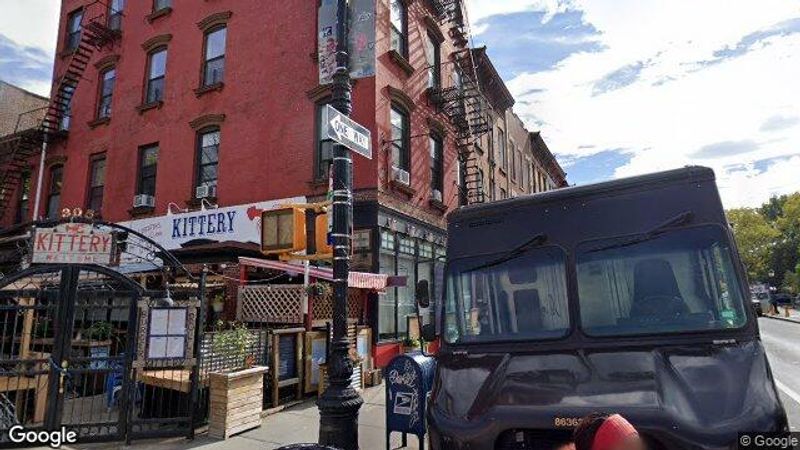
The core housing type is the Italianate and Neo-Grec rowhouse, built largely between the 1860s and 1890s along streets like Carroll, President, and First Place. Most run three to four stories over a garden level, in brick or brownstone, and many retain original stoops, cornices, and parlor-floor detailing.
Postwar and mid-century construction added a modest number of low-rise apartment buildings and co-ops along Court and Smith Streets, while newer boutique condo conversions have emerged from former factory and warehouse buildings near the Gowanus edge. Full-floor rentals and owner-occupied multi-families remain common throughout the historic core.
Unit types skew toward two- and three-bedroom configurations suited to families, though garden-level and top-floor rentals offer smaller footprints for single buyers or investors. Genuine new-construction condos are scarce given landmark restrictions, so renovated pre-war stock, not glass towers, dominates what our team in New York shows clients here.
Prices and Rents — Concrete Numbers
Carroll Gardens commands some of Brooklyn's highest per-square-foot prices, reflecting its landmark status and limited supply. A renovated one-bedroom co-op or condo typically runs $700,000 to $1.1 million, while a full townhouse, depending on condition and lot width, can range from $3 million to well over $7 million.
Rental demand stays firm year-round given proximity to Downtown Brooklyn and Manhattan. Studios and one-bedrooms in townhouse conversions rent faster than larger units in the neighborhood's limited apartment buildings, and landlords generally favor longer leases given the area's low vacancy turnover and family-oriented tenant base.
| Unit Type | Sale Price (Approx.) | Monthly Rent (Approx.) | Common Building Type |
|---|---|---|---|
| Studio | $450,000–$650,000 | $2,600–$3,400 | Pre-war walk-up |
| 1-Bedroom | $700,000–$1.1M | $3,200–$4,300 | Co-op or condo conversion |
| 2-Bedroom | $1.1M–$1.8M | $4,500–$6,500 | Rowhouse floor-through |
| 3-Bedroom+ | $1.9M–$3.2M | $6,500–$9,500 | Duplex or full brownstone unit |
| Full Townhouse | $3M–$7M+ | N/A | Italianate/Neo-Grec rowhouse |
Approximate Carroll Gardens sale prices and rents, 2026 (subject to market conditions)
Compared with neighboring Cobble Hill, Carroll Gardens runs slightly more affordable per square foot for townhouses, though co-op inventory is thinner. Buyers working with our licensed brokerage network should expect competitive bidding on move-in-ready houses, particularly those with original details intact and south-facing gardens.
Daily Life and Transit — Subway, Groceries, Schools, Parks
Transit centers on the F and G trains at Carroll Street and Smith–Ninth Streets, with the F/G also reaching Bergen Street near Boerum Hill. Manhattan commutes to Lower Manhattan or Midtown run roughly 25 to 35 minutes, and the neighborhood's flat, walkable grid makes cycling to Downtown Brooklyn practical.
Daily life revolves around Court Street and Smith Street, lined with bakeries, wine shops, and long-standing Italian delis alongside newer restaurants. Grocery options include Union Market and Whole Foods nearby in Gowanus, while Carroll Park offers playgrounds, bocce courts, and a genuine neighborhood gathering point on weekends.
| Category | Option | Distance/Time | Notes |
|---|---|---|---|
| Subway | F/G at Carroll St | 0–8 min walk | Direct to Manhattan and Park Slope |
| Subway | F/G at Smith–9th Sts | 5–12 min walk | Elevated station, Gowanus views |
| Park | Carroll Park | Central, on Court St | Playgrounds, bocce, shaded seating |
| Grocery | Union Market | 5–10 min walk | Full-service supermarket |
| School | PS 58 | Local zoned elementary | Well-regarded, high demand for zoning |
Transit and lifestyle reference points in Carroll Gardens
Families weigh in on PS 58, a zoned elementary school with strong local reputation, alongside several private options in adjacent Cobble Hill. Combined with Carroll Park's green space and the neighborhood's low crime profile, this makes the area a frequent choice for relocating families and long-term residential buyers.
Final Thoughts
Carroll Gardens suits buyers seeking a quiet, low-density brownstone lifestyle within a genuine walk to Manhattan-bound trains. It rewards those who value historic architecture, garden space, and a tight-knit commercial strip over the density or nightlife of neighborhoods like Williamsburg or the East Village.
It is less suited to buyers prioritizing new-construction amenities, doorman buildings, or large-scale condo developments, since landmark restrictions cap this kind of supply. Investors chasing short-term rental turnover will also find fewer opportunities given the area's family-oriented, longer-lease rental culture.
Our team in New York generally recommends Carroll Gardens to end-users planning a multi-year hold, particularly families and professionals who want stability, character, and strong resale fundamentals. Those wanting flash or fast liquidity should look toward Downtown Brooklyn or Williamsburg instead.
Reinvent NY provides business consulting, operational support, and coordination services. Real estate services are provided through licensed professionals and applicable brokerage relationships. This article is for informational purposes only and does not constitute legal or investment advice.
Nearby neighbourhoods: Clinton Hill, Cobble Hill, Coney Island. All Brooklyn guides are indexed under New York neighbourhood guides.

Satoshi Onodera
Founder & CEO, Reinvent NY Inc.
Founded Reinvent NY in 2024. Providing relocation support from all over the world to America.
Ready to Get Started?
Our team in New York is ready to help with your visa, real estate, or relocation needs.
Schedule a ConsultationFrequently Asked Questions
What are the exact boundaries of Carroll Gardens?
Carroll Gardens generally runs from Degraw Street south to Hamilton Avenue, bounded by the Gowanus Canal to the east and the BQE near Red Hook to the west, bordering Cobble Hill and Boerum Hill to the north.
Are there new-construction condos in Carroll Gardens?
Very few. Landmark district status limits redevelopment, so most inventory consists of pre-war rowhouses and small conversions. Occasional boutique condo projects appear near the Gowanus edge, but they remain the exception rather than the rule.
How does Carroll Gardens compare to Cobble Hill?
Both share brownstone character and similar transit, but Carroll Gardens offers deeper front gardens, slightly more affordable townhouse pricing, and a more family-centric feel, while Cobble Hill leans marginally more upscale in retail and dining.
What subway lines serve Carroll Gardens?
The **F and G trains** stop at Carroll Street and Smith–Ninth Streets, connecting directly to Lower Manhattan, Midtown, and Park Slope, with typical commute times of 25 to 35 minutes into central Manhattan business districts.
Is Carroll Gardens a good rental investment?
It performs well for long-term holds given low vacancy and family demand, but limited apartment-building stock and landmark restrictions cap large-scale rental portfolios. It suits owners of individual brownstone units more than bulk multifamily investors.
What price range should buyers expect for a townhouse?
Approximate prices range from $3 million to over $7 million depending on lot width, condition, and original detail, subject to market conditions. Move-in-ready houses with intact facades and gardens command the top end consistently.
Is Carroll Gardens family-friendly?
Yes. Carroll Park, the zoned **PS 58** elementary school, quiet tree-lined streets, and a low-crime profile make it one of Brooklyn's more established choices for families relocating from Manhattan or overseas.
Real Estate Guides & Data
More guides
- Wire Fraud at Closing: The One Loss Nobody Insures
- Anatomy of a NYC Purchase: Week by Week, Start to Keys
- The Co-op Board Interview: Preparation That Passes
- Buyer Agency Agreements: The Paper Behind Your Agent
- Capital Assessments: When the Building Sends a Bill
- Roommate Law and Shared Housing: Who May Live There
Related Articles
Boerum Hill Real Estate Guide 2026
A 2026 buyer's and renter's guide to Boerum Hill, Brooklyn: boundaries, brownstones, prices, transit, and who this refined townhouse district truly suits.
Waldorf Astoria Residences: A Landmark, Reworked
The Waldorf Astoria's Park Avenue landmark now houses private residences alongside the hotel: what ownership includes and what the monthly carry covers.
Cobble Hill Brooklyn Real Estate Guide 2026
A senior advisor's guide to Cobble Hill, Brooklyn: boundaries, brownstones, 2026 prices and rents, transit, schools, and who this quiet neighborhood suits.
NYC Buyer Agent Commission: Who Pays in 2026
Who pays the buyer's agent in New York City after the NAR settlement, why REBNY's listing service follows different rules, and what your agreement should say.