Clinton Hill Brooklyn Real Estate Guide 2026
What Clinton Hill Actually Is
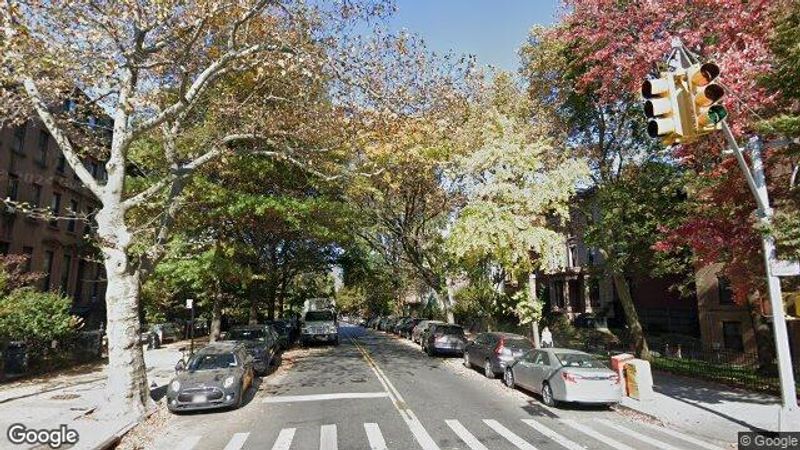
Clinton Hill sits in north-central Brooklyn, bounded roughly by Flushing Avenue, Classon Avenue, Atlantic Avenue, and Vanderbilt Avenue. It borders Fort Greene to the west and Bedford-Stuyvesant to the east. Our team in New York treats it as one of Brooklyn's most architecturally consistent historic neighborhoods, shaped originally by wealthy industrialists in the 19th century.
The Pratt Institute anchors the neighborhood's northern half, giving Clinton Hill a permanent academic and creative undercurrent alongside its brownstone rows. Much of the area sits within a designated historic district, which preserves scale and facades while limiting large-scale redevelopment.
Today the neighborhood reads as a hybrid: tree-lined residential blocks bordering Fort Greene Park, mixed with commercial corridors along Myrtle Avenue and Fulton Street. Our team in New York finds international buyers respond well to its quieter, established character relative to more transient parts of Brooklyn.
The Housing Stock
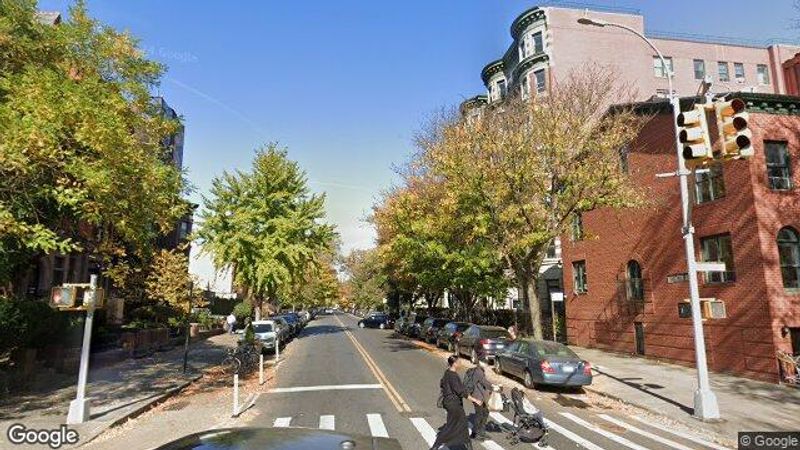
Clinton Hill's core housing stock is 19th-century brownstones and limestone rowhouses, many dating to the 1860s-1890s, concentrated along Clinton Avenue, Waverly Avenue, and Vanderbilt Avenue. Several of these blocks include mansion-scale homes originally built for Brooklyn's industrial elite, now largely converted into multi-family townhouses or single-family renovations.
Condo development has filled in along Myrtle Avenue and Classon Avenue, with newer mid-rise buildings offering elevators, parking, and amenity packages absent from the rowhouse stock. Notable conversions include former industrial and institutional buildings repurposed into loft-style condos, a format our team in New York frequently sources for clients wanting larger floorplates.
Unit types range widely: prewar co-ops in low-rise buildings, floor-through rental units in brownstones, and new-construction condos with one to three bedrooms. Buyers should expect co-op board approval processes to be more conservative than in newer condo buildings, a distinction our team in New York walks clients through case by case.
Prices and Rents
As of early 2026, condo prices in Clinton Hill run approximately $850,000 to $1.6 million for one- and two-bedroom units, with larger three-bedroom condos and townhouse conversions reaching $2.5 million to $4 million. These figures are approximate and subject to market conditions, and vary block by block within the historic district.
Rental demand remains strong given proximity to Pratt Institute and downtown Brooklyn. Rents for one-bedrooms typically range from $2,800 to $3,600 monthly, while two-bedrooms in renovated brownstones or newer condos run $3,800 to $5,200. Townhouse rentals command a premium, often exceeding $6,000 for full-floor or multi-floor units.
| Unit Type | Sale Price Range | Monthly Rent Range |
|---|---|---|
| Studio/Co-op Alcove | $450,000–$650,000 | $2,100–$2,600 |
| 1-Bedroom Condo | $850,000–$1,100,000 | $2,800–$3,600 |
| 2-Bedroom Condo | $1,200,000–$1,600,000 | $3,800–$5,200 |
| 3-Bedroom/Townhouse Unit | $1,800,000–$2,800,000 | $5,500–$7,500 |
| Full Brownstone | $2,800,000–$4,200,000 | N/A |
Approximate Clinton Hill sale and rental prices, early 2026
Compared with neighboring Fort Greene, Clinton Hill runs slightly lower per square foot, while still commanding a premium over Bedford-Stuyvesant to the east. Our team in New York advises clients that pricing compresses further east of Franklin Avenue, where the same budget stretches noticeably further.
Daily Life and Transit
Subway access centers on the C line at Clinton–Washington Avenues, and the G line at Clinton–Washington and Fulton Street, with the A/C running along Fulton Street's southern edge. Commutes to Lower Manhattan typically run 25-35 minutes, while Midtown trips via connections at Hoyt-Schermerhorn or Atlantic Terminal take closer to 40 minutes.
Daily life revolves around Fort Greene Park, designed by Frederick Law Olmsted and Calvert Vaux, plus the retail corridors of Myrtle Avenue and Fulton Street, which host grocers, cafes, and the Saturday Fort Greene Park farmers market. Whole Foods on Atlantic Avenue and independent markets along Myrtle cover daily needs.
| Category | Access Point | Approx. Travel/Distance |
|---|---|---|
| Subway (C/G) | Clinton–Washington Ave | 5-min walk from most blocks |
| Subway (A/C) | Lafayette Ave / Fulton St | 25-35 min to Lower Manhattan |
| Park | Fort Greene Park | 5-15 min walk |
| Groceries | Whole Foods, Atlantic Ave | 10-15 min walk |
| Schools | Pratt Institute area zoned schools | Varies by block |
Transit and lifestyle reference points, Clinton Hill
Public school zoning varies by exact block, with several well-regarded elementary options within the district; families should confirm zoning per address, as it shifts near the Fort Greene border. Our team in New York coordinates school-zone verification directly with clients before any offer is submitted.
Final Thoughts
Clinton Hill suits buyers who want prewar architectural character with strong transit access and a genuine, established residential community rather than a nightlife-driven scene. It particularly appeals to those drawn to brownstone living, academic proximity through Pratt Institute, and a slower daily rhythm than Williamsburg or Downtown Brooklyn offer.
It is less suited to buyers seeking large new-construction towers with extensive amenities, or those wanting immediate proximity to Manhattan's financial or entertainment districts. The historic district's preservation rules also mean renovation flexibility is more limited than in less-regulated Brooklyn neighborhoods.
Our team in New York, working through our licensed brokerage network, regularly guides overseas clients through Clinton Hill's brownstone and condo markets, from initial underwriting to closing. For long-term value with architectural substance, we consider it among Brooklyn's more durable neighborhood choices heading into 2026.
Reinvent NY provides business consulting, operational support, and coordination services. Real estate services are provided through licensed professionals and applicable brokerage relationships. This article is for informational purposes only and does not constitute legal or investment advice.
Nearby neighbourhoods: Cobble Hill, Coney Island, Crown Heights. All Brooklyn guides are indexed under New York neighbourhood guides.

Satoshi Onodera
Founder & CEO, Reinvent NY Inc.
Founded Reinvent NY in 2024. Providing relocation support from all over the world to America.
Ready to Get Started?
Our team in New York is ready to help with your visa, real estate, or relocation needs.
Schedule a ConsultationFrequently Asked Questions
Is Clinton Hill a good area for long-term property investment?
Yes. Its historic district status, Pratt Institute proximity, and limited new supply support long-term value stability. Our team in New York views it as a steadier alternative to faster-appreciating but more volatile nearby Brooklyn submarkets.
What subway lines serve Clinton Hill?
The C and G trains stop at Clinton–Washington Avenues, with A/C service along Fulton Street's edge. Commutes to Lower Manhattan generally take 25-35 minutes, with additional connections available via Atlantic Terminal.
Are Clinton Hill brownstones move-in ready or do they need renovation?
It varies widely. Many brownstones have been fully renovated with modern systems, while others retain original details and need updated mechanicals. Our team in New York assesses renovation scope during due diligence for every property considered.
How do Clinton Hill prices compare to Fort Greene?
Clinton Hill typically runs slightly below Fort Greene per square foot, while remaining above Bedford-Stuyvesant. Prices are approximate and subject to market conditions, and vary meaningfully depending on proximity to Fort Greene Park.
Is Clinton Hill primarily co-ops or condos?
Both exist. Older buildings and rowhouse conversions often operate as co-ops with board approval requirements, while newer construction along Myrtle and Classon Avenues is predominantly condo, offering more flexible ownership terms.
What is the historic district restriction buyers should know about?
Much of Clinton Hill sits within a designated historic district, meaning exterior alterations require approval to preserve architectural character. This protects long-term aesthetics and value but limits renovation flexibility compared to non-landmarked areas.
Does Clinton Hill have good access to parks and daily amenities?
Yes. Fort Greene Park anchors the neighborhood, and Myrtle Avenue and Fulton Street provide groceries, cafes, and retail. A Whole Foods on Atlantic Avenue and a weekly farmers market round out daily convenience.
Real Estate Guides & Data
More guides
- Property Insurance Claims: Getting Paid, Properly
- Air Rights and Lot-Line Windows: The Sky Next Door
- Micro-Units and Alcove Studios: Small-Space Buying
- Two-to-Four Family Buildings: The Underwriting
- Noise and Light Diligence: Testing What Photos Hide
- NYC vs the Suburbs: Where the Same Money Goes
Related Articles
Bushwick Brooklyn Real Estate Guide 2026
An authoritative 2026 guide to Bushwick, Brooklyn for overseas buyers and renters: boundaries, buildings, prices, transit, and who the neighborhood suits.
520 Park Avenue: One Residence to a Floor
Robert A.M. Stern's limestone tower for Zeckendorf on the Upper East Side, built around full-floor residences.
Fort Greene Brooklyn Real Estate Guide 2026
Our 2026 guide to Fort Greene, Brooklyn: townhouses, condos, prices, rents, schools, and transit access for international buyers and renters alike.
Pied-a-Terre NYC: A 2026 Guide for Part-Time Owners
What a pied-a-terre in NYC really costs in 2026: co-op restrictions, second-home financing, lost tax benefits, and the 30-day rule on renting it out.