Brooklyn Heights Real Estate Guide 2026
What Brooklyn Heights Actually Is
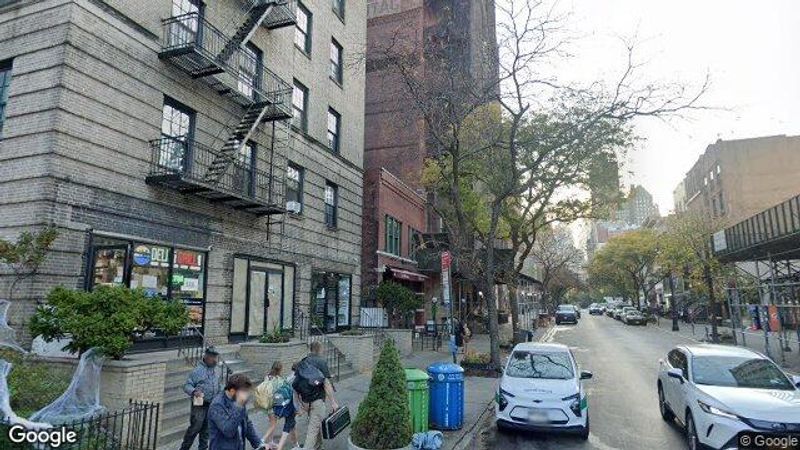
Brooklyn Heights sits on the bluff overlooking the East River, bounded roughly by Atlantic Avenue, Court Street, Middagh Street, and the waterfront Brooklyn Heights Promenade. It was New York's first designated historic district, protected since 1965, and remains one of the most architecturally intact 19th-century neighborhoods in the country.
The character is genteel and residential: tree-lined brownstone blocks, church spires, and low-rise scale that feels closer to Beacon Hill than to modern Brooklyn. Its proximity to Manhattan across the river made it New York's original commuter suburb, settled by merchants and shipping families in the early 1800s.
Today it functions as a quiet, wealthy enclave adjacent to Downtown Brooklyn's commercial energy. Old-money continuity and a strict landmarks board keep the streetscape stable, which international buyers often read as long-term price resilience and predictable renovation rules.
The Housing Stock
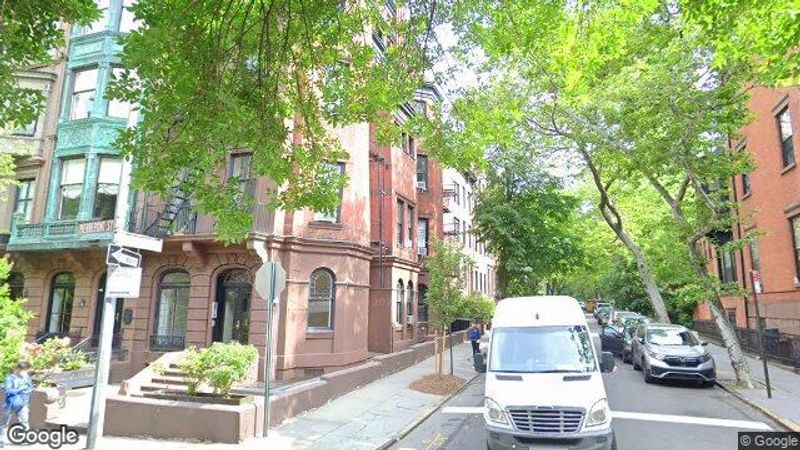
The core inventory is Greek Revival and Italianate brownstones built between 1820 and 1880, concentrated on streets like Willow, Pierrepont, and Columbia Heights. Many remain single-family or have been converted to two- and three-unit configurations, offering garden duplexes, parlor floors, and top-floor units with river or skyline views.
Prewar cooperative buildings add another layer, including landmarks like The Standish on Columbia Heights and One Pierrepont Street's solid prewar co-ops. Postwar and newer condominium development is limited by the historic district, though buildings like Pierhouse at Brooklyn Bridge Park bring full-service, contemporary units with amenities rare elsewhere in the neighborhood.
Unit types skew toward one- to four-bedroom layouts rather than large new-development towers. Buyers should expect co-op board interviews for older buildings, walk-up brownstones without elevators, and renovation work governed by Landmarks Preservation Commission approval, which lengthens timelines but protects long-term architectural value.
Prices and Rents
As of 2026, approximate resale prices for co-ops and condos in Brooklyn Heights range from $900,000 for a one-bedroom co-op to $4.5 million and above for a full-floor or multi-unit brownstone conversion. All figures are approximate and subject to market conditions and building specifics.
Rentals run roughly $3,200 to $4,800 monthly for one-bedrooms and $6,500 to $12,000 for larger brownstone floor-throughs or townhouse rentals. Compared with Manhattan's West Village or SoHo, Brooklyn Heights offers similar architectural pedigree at a meaningful discount, though premium river-view units command Manhattan-level pricing.
| Neighborhood | 1BR Sale Price | 1BR Monthly Rent | 3BR+ Sale Price |
|---|---|---|---|
| Brooklyn Heights | $900K–$1.4M | $3,200–$4,800 | $3M–$6M+ |
| West Village (Manhattan) | $1.3M–$2M | $4,500–$6,500 | $5M–$10M+ |
| Cobble Hill (Brooklyn) | $850K–$1.3M | $3,000–$4,500 | $2.8M–$5.5M |
| DUMBO (Brooklyn) | $1.1M–$1.7M | $4,000–$5,500 | $3.5M–$7M |
| Tribeca (Manhattan) | $1.8M–$2.8M | $5,500–$8,000 | $7M–$15M+ |
Approximate Brooklyn Heights pricing vs. comparable Manhattan neighborhoods, 2026 (subject to market conditions)
Carrying costs matter here: co-op maintenance fees and condo common charges can run $1,200 to $3,000+ monthly depending on building age and amenities, and buyers should budget separately for landmarks-compliant renovation costs, which typically exceed non-historic district projects by 15-25%.
Daily Life and Transit
Transit access is exceptional: the 2, 3, 4, 5, R, A, C, and F trains all run through Borough Hall/Clark Street/Jay Street stations, putting Wall Street or Midtown within a 15-25 minute commute. The neighborhood's walkability score is among the highest in Brooklyn.
Daily needs are well covered — Trader Joe's, gourmet shops along Montague Street, and the Atlantic Terminal shopping complex nearby. Families favor Brooklyn Heights Montessori, Packer Collegiate Institute, and St. Ann's School, while public school zoning includes highly regarded PS 8.
| Line | Nearest Station | Destination | Approx. Commute Time |
|---|---|---|---|
| 2/3 | Clark Street | Wall Street | 10-15 min |
| 4/5 | Borough Hall | Grand Central | 20-25 min |
| A/C | High Street | West 4th Street | 15-20 min |
| R | Court Street | Union Square | 20 min |
| F | Jay Street-MetroTech | Midtown (34th St) | 25-30 min |
Approximate subway commute times from Brooklyn Heights, 2026
Green space centers on the Brooklyn Heights Promenade and the adjacent Brooklyn Bridge Park, offering waterfront lawns, sports courts, and Manhattan skyline views. Residents describe daily life here as calm, walkable, and family-oriented, a deliberate contrast to the density just across the river.
Final Thoughts
Brooklyn Heights suits buyers who value architectural permanence, low-rise scale, and proven long-term appreciation over new-development amenities. It works especially well for families prioritizing schools and parkland, and for professionals commuting to Lower Manhattan's financial district within minutes.
It is less suited to buyers seeking large full-amenity towers, doorman-heavy new construction, or nightlife-driven neighborhoods. Renovation timelines under landmarks review can frustrate those wanting fast turnarounds, and inventory of large modern condos remains genuinely scarce.
Our team in New York guides overseas clients through co-op board requirements, landmarks approval processes, and building-by-building comparisons via our licensed brokerage network, ensuring decisions here rest on verified data rather than general market assumptions about Brooklyn.
Reinvent NY provides business consulting, operational support, and coordination services. Real estate services are provided through licensed professionals and applicable brokerage relationships. This article is for informational purposes only and does not constitute legal or investment advice.
Nearby neighbourhoods: Bushwick, Carroll Gardens, Clinton Hill. All Brooklyn guides are indexed under New York neighbourhood guides.

Satoshi Onodera
Founder & CEO, Reinvent NY Inc.
Founded Reinvent NY in 2024. Providing relocation support from all over the world to America.
Ready to Get Started?
Our team in New York is ready to help with your visa, real estate, or relocation needs.
Schedule a ConsultationFrequently Asked Questions
Is Brooklyn Heights a good investment for international buyers?
Yes, its landmarked status and limited new supply support long-term price stability. However, co-op boards may scrutinize buyer financials closely, so working with our licensed brokerage network to prepare documentation in advance is essential.
Can foreign buyers purchase co-ops in Brooklyn Heights?
Yes, but many co-op boards require board interviews and financial disclosure, and some restrict pied-à-terre or non-primary-residence ownership. Condos generally offer fewer restrictions, making them a common alternative for non-resident buyers.
What's the typical building age in Brooklyn Heights?
Most brownstones date from 1820 to 1880, with prewar co-op buildings added between 1900 and 1940. Genuinely new construction is rare due to strict historic district rules governing exterior alterations and height.
How does Brooklyn Heights compare to DUMBO for buyers?
Brooklyn Heights offers historic brownstones and quieter residential streets, while DUMBO features newer loft conversions and waterfront condos with more amenities. DUMBO often carries a price premium for modern finishes and river-facing units.
Are there good schools in Brooklyn Heights?
Yes, notable options include Packer Collegiate Institute, St. Ann's School, Brooklyn Heights Montessori, and the well-regarded public school PS 8, making it a strong choice for families relocating with children.
What transit lines serve Brooklyn Heights?
The neighborhood is served by the 2, 3, 4, 5, R, A, C, and F trains, with stations at Clark Street, Borough Hall, High Street, and Jay Street-MetroTech, giving fast access to Manhattan and other Brooklyn hubs.
Is renovating a brownstone in Brooklyn Heights difficult?
Exterior and many interior changes require Landmarks Preservation Commission approval, which extends timelines and adds cost compared to non-landmarked areas. We advise buyers to budget extra time and 15-25% higher renovation costs accordingly.
Real Estate Guides & Data
More guides
- Square Footage in NYC: Why the Number Lies
- Timing the NYC Market: Cycles, Seasons, and Honesty
- US Estate Tax for Non-Residents: The $60,000 Exemption
- Vacation Homes Beyond NYC: Hamptons, Hudson, and the Math
- Real Estate Attorneys in NY: What Counsel Actually Does
- Apartment Handover: The First 72 Hours of Ownership
Related Articles
NYC Buyer Agent Commission: Who Pays in 2026
Who pays the buyer's agent in New York City after the NAR settlement, why REBNY's listing service follows different rules, and what your agreement should say.
220 Central Park South: Limestone Against the Glass
Robert A.M. Stern's limestone tower fronting Central Park, the building that answered the glass supertalls. What it offers, and what to confirm first.
US Estate Tax for Nonresidents: The $60,000 Trap
Nonresident owners of US real estate get only a $60,000 estate tax exemption. How the 18-40% rates work, what treaties change, and what planning costs.
Central Park Tower: The Tallest Residential Building
217 West 57th Street is the tallest residential building in the world, sitting above Nordstrom: what a residence costs to buy, and what it costs to hold.