NYC Short-Term Rental Rules 2026: What Is Legal
New York City did not tighten short-term rental rules in 2023 — it effectively ended the business. Under Local Law 18, platforms must verify a host's city registration before processing payment, and registration is unavailable for the entire-unit, owner-absent rental that the whole model depended on.
Investors still underwrite New York purchases on nightly-rate assumptions, and it remains the fastest way to buy a problem. Let's examine what the law permits, what it costs to ignore, and which strategies remain legal.
Reading this as a visitor who needs somewhere to stay rather than as an owner? The options and prices by length of stay are in our guide to short-term stays in NYC.
1. What Local Law 18 Actually Permits
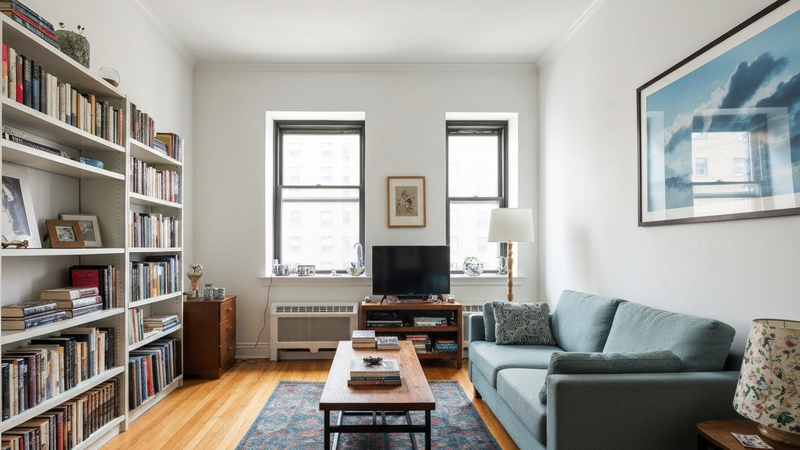
The registration framework permits a narrow shape of hosting. The host must be a permanent occupant of the dwelling, must be physically present throughout the guest's stay, may host no more than two guests at a time, and must leave internal doors unlocked so the space functions as shared rather than separate.
That describes renting a spare room in your own home. It does not describe an investment property. There is no registration category for an owner who lives elsewhere and rents the whole unit by the night, which is why unregistered listings disappeared from the major platforms rather than migrating to compliance.
| Arrangement | Under 30 days | 30 days or more |
|---|---|---|
| Owner present, up to 2 guests, registered | Permitted | Permitted |
| Entire unit, owner absent | Prohibited | Permitted, subject to building rules |
| Entire unit, owner absent, unregistered listing | Prohibited and unlistable | Permitted, subject to building rules |
| Building or board bans subletting | Prohibited | Prohibited by the building |
Framework as enforced from September 2023. Building rules apply on top of city law and are frequently stricter.
Note the last row. City permission is not building permission — a co-op proprietary lease or condo bylaw can prohibit what the city allows, and does so routinely. Our short-term rental guide covers how the two layers interact.
2. What This Did to the Investment Case

Before 2023, nightly rates in Manhattan and prime Brooklyn could produce a gross premium of 40-80% over a comparable annual lease, and buyers priced that premium into what they paid. That premium is no longer legally available on an owner-absent unit, and any pro forma still carrying it is overstating income by a wide margin.
The correction is straightforward: underwrite New York residential purchases on annual-lease rents. If the number does not work on a twelve-month lease, the deal does not work — because the alternative is a fine schedule, not a revenue line.
For what annual rents actually achieve by area, our New York rent market guide carries current figures, and the rental yield guide converts them to net.
What happened to the buildings that depended on it
The law reshaped supply as well as demand. Units that had operated as de facto hotels returned to the long-term rental market, which added inventory in exactly the neighbourhoods where nightly rates had been highest. That was the policy's stated purpose, and the effect showed up in listing counts rather than in headline rents.
For a buyer today the practical residue is a class of apartments marketed with historical income figures that can no longer be legally earned. Treat any pre-2023 rental history in a seller's materials as a different regime, not as a forecast, and rebuild the pro forma from current annual-lease comparables.
Underwriting a 30-day-plus furnished strategy
Mid-term furnished rentals sit inside the law and command a genuine premium — commonly 15-30% over unfurnished annual rent, depending on area and finish. The tenant profile is relocating professionals, visiting academics and medical staff on rotations, and the leases run one to six months.
The costs are real: furniture and setup capital, higher turnover, utilities usually included, and either a management arrangement or your own time. Model those against the premium honestly. Where the numbers work it is because the building permits it and the location suits the tenant profile — not because the rate looks high.
3. Enforcement, Penalties and Who Reports You
Enforcement in New York does not depend on inspectors finding you. The registration requirement sits on the platform — a payment cannot process without a verified registration number — so the listing route closes first. Complaints from neighbours, doormen and building management supply the rest.
Penalties run into thousands of dollars per violation and escalate on repetition, and building-level consequences arrive separately: house-rule fines, lease enforcement, and in co-ops the possibility of proceedings against the shareholder. Confirm current penalty amounts with the city at the time you assess a property, since schedules are updated.
One diligence step matters more than any other here. If a seller's marketing materials show short-term rental income, treat that as a signal to verify the unit's compliance history before contract — you inherit the building's attitude toward the practice along with the apartment.
4. The Counterargument: Is There Still a Play?

Some investors argue the rules will loosen, or that enforcement will fade, or that the premium simply moved to buildings willing to look away. We would not underwrite any of the three. Local Law 18 has held for three years, the platform-side mechanism is structural rather than discretionary, and buildings have grown less tolerant, not more.
The legal play is thirty days and up. Furnished mid-term rentals to relocating professionals, medical residents and corporate assignees command a genuine premium over unfurnished annual leases — smaller than nightly rates, but durable, compliant and far less operationally intensive. It is what most serious New York investors now model.
If nightly-rate economics are central to your strategy, the better answer is a different market. Rules vary sharply by state and city, and some remain permissive — start from the state data on our markets pages rather than from New York. Just verify the specific municipality rather than the state: within a single permissive state, one city may license short-term rentals freely while the town next door has banned them outright.
The general lesson from Local Law 18 travels well beyond New York. Where a strategy depends on a regulation staying unchanged, that regulation is part of the asset you are buying — and it belongs in the underwriting alongside the rent, not in a footnote.
Final Thoughts: Underwrite the Law, Not the Listing

New York remains a strong rental market on annual and mid-term leases, with deep tenant demand and reliable occupancy. What it no longer offers is nightly-rate income on an absentee-owned unit. Any purchase priced on the latter is priced wrong, and the correction arrives as a penalty rather than a bad quarter.
We verify building rules and compliance history as part of underwriting, with brokerage services provided through licensed professionals. Before you buy on any rental assumption, talk to our team and we will confirm what the specific building actually permits.
Reinvent NY provides business consulting, operational support, and coordination services. Legal advice and immigration filings are handled by independent licensed attorneys. Real estate services are provided through licensed professionals and applicable brokerage relationships. This article is for informational purposes only and does not constitute legal or investment advice.

Satoshi Onodera
Founder & CEO, Reinvent NY Inc.
Founded Reinvent NY in 2019. Providing relocation support from all over the world to America.
Ready to Get Started?
Our team in New York is ready to help with your visa, real estate, or relocation needs.
Schedule a ConsultationFrequently Asked Questions
Are short-term rentals legal in New York City?
Only in narrow circumstances. Stays under 30 days are permitted where the host is a registered permanent occupant who remains present during the stay and hosts no more than two guests, with internal doors unlocked. Everything else is prohibited.
What is Local Law 18?
New York City's Short-Term Rental Registration Law, enforced from September 2023. It requires hosts to register with the city and requires booking platforms to verify registration before processing a payment, which removed unregistered listings from the major platforms.
Can I buy a New York condo and rent it on Airbnb?
Not for stays under 30 days. An entire-unit short-term rental with the owner absent does not qualify for registration, regardless of building type. Buildings and boards frequently impose their own stricter bans on top.
What is the minimum rental period in New York City?
Thirty consecutive days is the practical minimum for renting an entire unit without the owner present. Many condo boards and co-op proprietary leases set longer minimums, commonly six or twelve months.
What are the penalties for illegal short-term rentals?
Fines reach into the thousands of dollars per violation for hosts and platforms, and repeat violations escalate. Buildings may also pursue lease or house-rule enforcement separately from city penalties.
Do the rules differ outside New York City?
Yes, substantially. Upstate New York, Long Island towns and the Hudson Valley set their own rules town by town, and some are permissive. The 30-day restriction discussed here is a New York City framework.
What is the legal alternative for investors?
Furnished 30-day-plus stays, corporate housing and standard annual leases. Mid-term furnished rentals to relocating professionals capture part of the premium legally, and are what most New York investors now underwrite.
Real Estate Guides & Data
More guides
- Inheriting US Property: The Heir's Playbook
- LLCs for Rental Property: Liability, Cost, Disclosure
- Miami vs New York: Two US Strategies Compared
- Moving Purchase Funds to the US: Timing and Source of Funds
- New Development Walk-Throughs: The Snag List That Pays
- NYC Transfer Taxes for Sellers: The Exit's First Bill
Related Articles
One Sutton Place South: Candela on the East River
One Sutton Place South is Rosario Candela's 1927 cooperative with a private garden on the East River. See its recorded sales since 2023 and the median price.
400 Fifth Avenue: A Tower With a Hotel Beneath It
400 Fifth Avenue put residences above a hotel on Fifth Avenue at 36th Street. See the sales the city has recorded there since 2023 and the median price.
The Osborne: An 1885 Fortress Opposite Carnegie Hall
The Osborne has stood on 57th Street opposite Carnegie Hall since 1885. What the co-op is, the sales recorded there since 2023 and the median price.
FHA Loans in New York City: What Qualifies
FHA allows a small down payment, but the building must be FHA-approved and few NYC condos are. How to check a project, and what the mortgage insurance costs.