The Beekman: An 1883 Atrium, Nine Storeys High
The Beekman was built around an atrium that nobody saw for most of a century. Temple Court, completed in 1883 near City Hall, was one of the earliest tall office buildings in New York, organised around a nine-storey light well capped by a pyramidal skylight — which was later sealed off and rediscovered largely intact.
The restoration made that atrium the centre of a hotel, with residences in a tower alongside. Let's look at what the combination offers.
1. What the Building Is
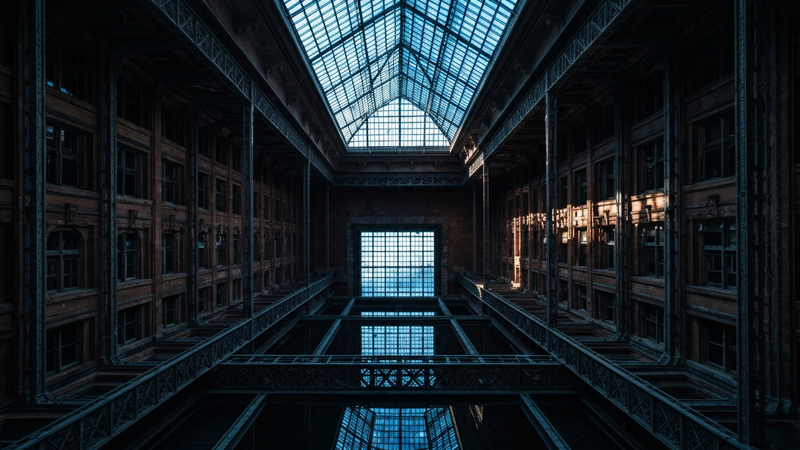
Two structures working together. The 1883 building holds the hotel and the atrium; a contemporary tower alongside holds the residences, which is a common arrangement where a historic structure cannot be adapted to residential use economically.
The atrium itself is the reason the project exists. Cast iron balustrades rising nine storeys to a glass pyramid is not something any developer would build today, and its survival is largely an accident of the building having been closed rather than modernised.
For a resident that means a genuinely unusual arrival — through a restored nineteenth-century interior rather than a contemporary lobby.
| Attribute | Detail |
|---|---|
| Address | 5 Beekman Street, Manhattan |
| Original building | Temple Court, completed 1883 |
| Feature | Nine-storey atrium under a pyramidal skylight |
| Current uses | Hotel in the historic building, residences in an adjoining tower |
| District | City Hall area, lower Manhattan |
| Ownership | Condominium |
Building facts. Unit-level figures - size, exposure, charges, tax - must be obtained for the specific residence.
The location is on Google Maps here.
2. What a Hotel Alongside Delivers
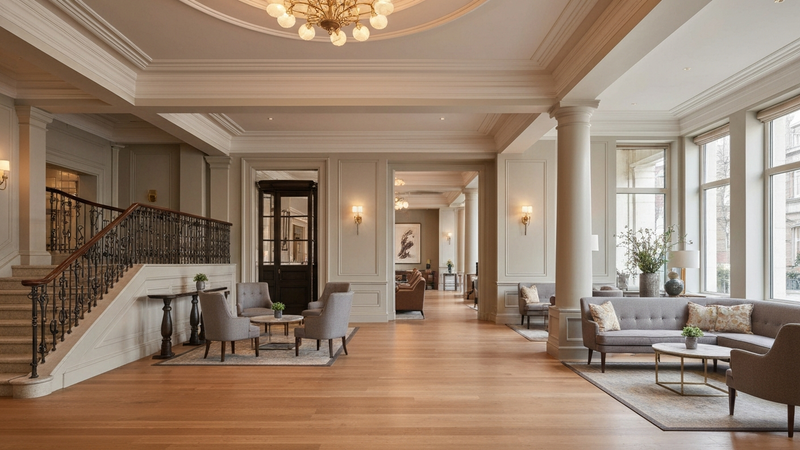
Service depth a purely residential building of the same size could not fund. The hotel requires staffing continuously, and residents draw on that infrastructure under terms set out in the condominium documents.
That is the same logic as any branded residence, arriving here through an adjacent operation rather than through a licence agreement with a global brand.
The corresponding question is the boundary. Establish which entrances and lifts serve residents, how deliveries and event traffic are handled, and precisely how shared costs divide between the two operations.
Our branded residences guide covers how these arrangements are structured and what to read in them.
3. The Diligence a Historic Complex Requires
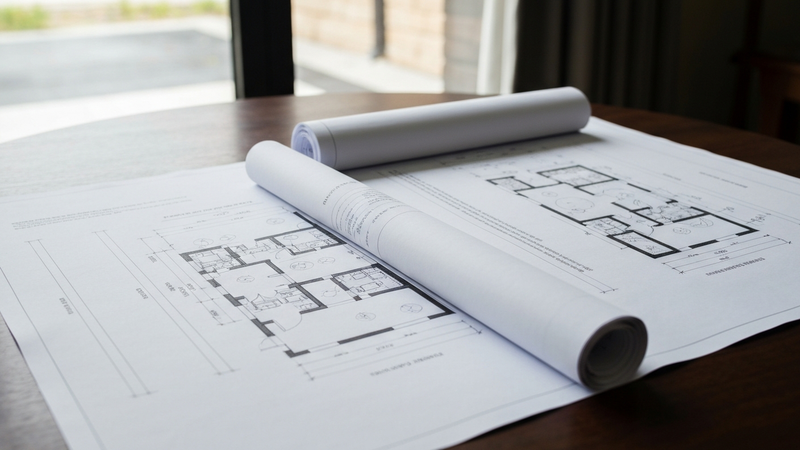
The ordinary review applies: audited financial statements, the reserve balance in dollars, assessment history and two years of board minutes.
Then the questions specific to a restored nineteenth-century structure sharing a site with a modern tower. What is landmarked, what obligations that creates, and which entity funds the historic building's maintenance.
A residential condominium that contributes to the upkeep of a hotel's atrium is in a different position from one that does not, and the documents rather than the brochure will say which applies.
Our building diligence guide sets out the full list and how to read each document.
4. Buying Here as an Overseas Purchaser

Straightforward as a condominium: no board approval vote, non-resident and entity ownership accepted, subletting governed by written building rules.
Mansion tax applies from $1 million on the whole price, reaching 2.25% between $5 and $10 million. Where units were sold by the sponsor, the New York City and State transfer taxes are customarily shifted to the purchaser, roughly a further 1.8 to 2.0%.
Settle ownership structure before contract; US estate tax reaches non-resident owners above a $60,000 exemption on US-situs assets. See our estate tax guide and buying from overseas guide.
The City Hall district
The area around City Hall Park has converted from commercial to substantially residential over three decades, and it sits between Tribeca, the financial district and the bridges with transport in every direction.
Prices per square foot have historically sat below Midtown and the park-adjacent addresses, and the stock is heavily condominium — both of which favour a non-resident buyer.
Living beside a hotel operation
A hotel generates arrivals, departures, deliveries and event activity on a scale a residential building never does, and residents experience some part of that at street level.
Ask how the separation works in practice and see it at a busy hour rather than a quiet one. A walkthrough at nine in the evening tells you more than any description of the arrangement.
Comparables in a small residential component
Where the residential portion is modest in size, closed sales within the building are correspondingly few. Extend the comparison to other hotel-adjacent condominiums downtown, adjusting for floor, outlook and condition.
All closed prices are public record in New York. Our negotiation guide covers how to build a defensible set when the obvious one is thin.
Final Thoughts: An Interior You Cannot Build Now
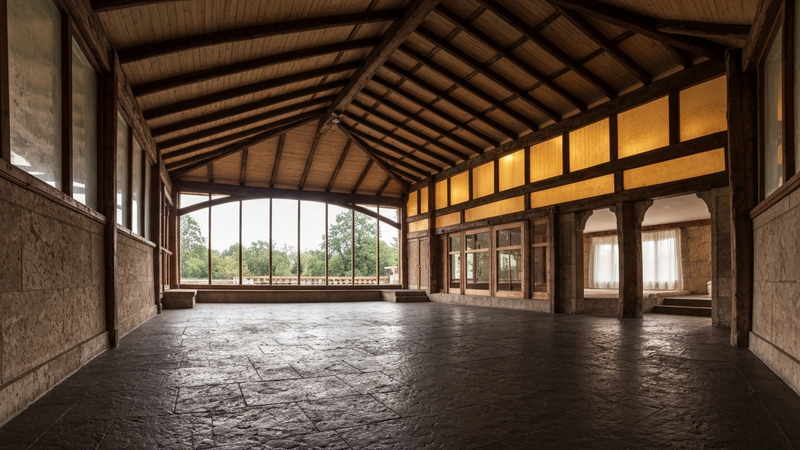
The atrium survived because the building was shut rather than improved, which is the only reason anything like it still exists in New York. Living beside it is a genuinely unusual proposition, and the work it demands from a buyer is narrow and answerable: how the two structures divide their costs, and what the historic side obliges the residential side to fund.
We cover lower Manhattan on Satoshi Onodera's YouTube channel and on Instagram. If a residence here is in view, talk to our team and we will obtain the cost allocation and the financials first. Real estate brokerage services are provided through licensed professionals.
For a buyer weighing this against a purpose-built branded residence uptown, the difference is where the service comes from and what it is attached to. A global brand carries a name that travels; an adjacent hotel carries a building that cannot be reproduced.
Both fund service through monthly charges and both are condominium. Compare them on carrying cost per square foot and on the term of whatever agreement underpins the service, and the choice becomes a matter of taste rather than of risk.
A note on financing. Foreign national mortgages require a larger deposit and a longer underwriting period, and lenders assess mixed historic complexes with more care than standard residential buildings. Confirm early that your lender is comfortable with the structure.
One further point on buying in a small residential component. Fixed operating costs divide across fewer owners than in a large tower, which means both that charges per square foot can run higher and that a capital item lands harder when it arrives.
Ask what the reserve holds in dollars rather than as a ratio, and read the assessment history. In a small condominium those two documents matter more than in any other kind of building.
There is also a point worth making about how these apartments trade. A small residential component produces few closed sales, so pricing here relies on comparison with other buildings rather than within this one, and that comparison has to be built deliberately rather than read off a portal.
Reinvent NY provides business consulting, operational support, and coordination services. Legal advice and immigration filings are handled by independent licensed attorneys. Real estate services are provided through licensed professionals and applicable brokerage relationships. This article is for informational purposes only and does not constitute legal or investment advice.
More buildings worth knowing: 100 Eleventh Avenue, 111 West 57th Street, 130 William. The full set is indexed under New York building profiles.

Satoshi Onodera
Founder & CEO, Reinvent NY Inc.
Founded Reinvent NY in 2024. Providing relocation support from all over the world to America.
Ready to Get Started?
Our team in New York is ready to help with your visa, real estate, or relocation needs.
Schedule a ConsultationFrequently Asked Questions
Where is the Beekman?
5 Beekman Street, near City Hall in lower Manhattan. The location is on [Google Maps](https://maps.google.com/?q=5+Beekman+Street+New+York).
What was the original building?
Temple Court, completed in 1883, one of the earliest tall office buildings in New York, built around a nine-storey atrium capped by a pyramidal skylight.
What happened to the atrium?
It was sealed for decades and rediscovered largely intact. The restoration made it the centrepiece of the hotel that now occupies the historic building.
Where are the residences?
In a tower added alongside the historic structure, with the hotel occupying the 1883 building. Confirm the arrangement for the specific unit.
Is it a condominium?
Yes. There is no board approval vote, and non-resident and entity ownership are generally accepted.
What does the hotel relationship provide?
Service infrastructure exists within the complex. What residents may draw on, and at what cost, is set out in the condominium documents rather than in marketing material.
What should I confirm first?
How residential and hotel costs are allocated, landmark obligations on the historic structure, the reserve balance, assessment history, and the actual charges for the specific residence.
Real Estate Guides & Data
Related Articles
Todt Hill Staten Island Real Estate Guide 2026
Our 2026 guide to Todt Hill, Staten Island covers estate homes, prices, transit, and schools for international buyers considering this exclusive enclave.
St. George Staten Island Real Estate Guide 2026
What St. George on Staten Island costs in 2026: the housing stock, sale and rent ranges, the ferry commute to Manhattan, and what a buyer should check first.
Kingsbridge Bronx Real Estate Guide 2026
A local advisor's guide to buying and renting in Kingsbridge, Bronx: housing stock, prices, transit, and schools for 2026 buyers considering the market.
City Island Bronx Real Estate Guide 2026
An expert 2026 guide to City Island, Bronx real estate for international buyers: housing stock, prices, rents, transit, and who this seaside neighborhood suits.