City Island Bronx Real Estate Guide 2026
What City Island Actually Is
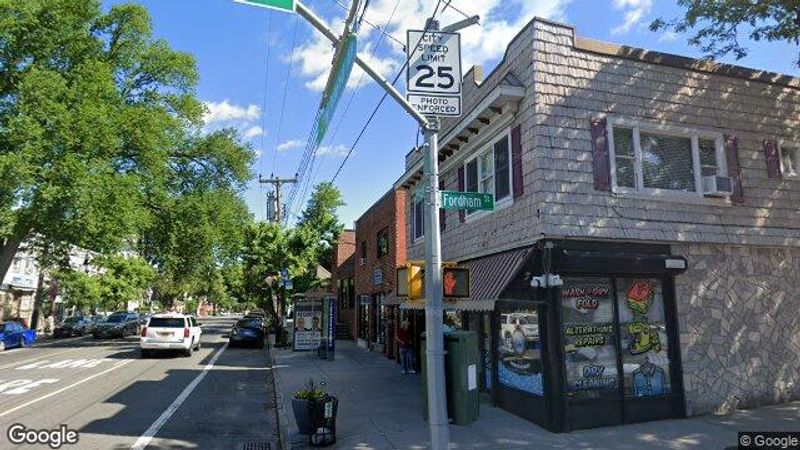
City Island is a 1.5-mile-long island in the Bronx, connected to the mainland by the City Island Bridge over Eastchester Bay. Our team in New York often describes it to overseas clients as the closest thing New York City has to a New England fishing village, complete with clapboard houses and working boatyards along City Island Avenue.
The island's character was shaped by 19th-century shipbuilding and oystering trades, later joined by seafood restaurants that still line City Island Avenue today. Unlike much of the Bronx, it developed as a low-density, single-family enclave, and that small-town scale has been legally protected and culturally preserved for over a century.
Boundaries are simple: the island itself, bordered by Long Island Sound and Eastchester Bay, with Pelham Bay Park as its mainland gateway. There is no high-rise development here, and zoning has historically kept the footprint modest, which is central to understanding why the market behaves so differently from the rest of the borough.
The Housing Stock
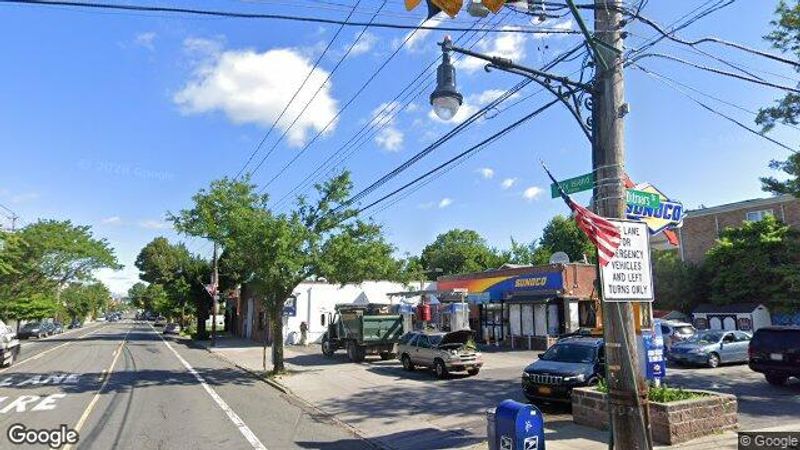
Most homes on City Island are detached or semi-detached wood-frame houses dating from the late 1800s through the 1930s, many in Victorian, Colonial Revival, and vernacular cottage styles. Streets like Fordham Street, Minnieford Avenue, and Horton Street preserve original porches, gambrel roofs, and clapboard siding rarely seen elsewhere in the five boroughs.
There are no major architect-branded towers here; instead, the housing stock is defined by artisan-built cottages and modest bungalows originally constructed for fishermen and shipyard workers, later expanded into year-round family homes. A handful of small multi-family buildings and converted two-family houses exist near City Island Avenue, but true apartment complexes are scarce.
Waterfront parcels along Pilot Street and City Island Avenue's northern end command premium interest for private docks and bay views. Inventory turns over slowly, buyers should expect older mechanical systems, flood-zone considerations near the shoreline, and occasional need for structural updates given the age of the housing stock across the island.
Prices and Rents
City Island real estate remains notably more accessible than Manhattan or brownstone Brooklyn, though prices have firmed as buyers seek space and water access. Single-family homes typically range from approximately $550,000 to $1.3 million depending on lot size, waterfront exposure, and condition, figures that are approximate and subject to market conditions.
Rentals are limited in supply since most stock is owner-occupied, which pushes monthly asking rents higher relative to the purchase-price ratio elsewhere in the Bronx. Our licensed brokerage network reports that well-maintained waterfront or dock-access properties consistently outperform interior-street listings on both price per square foot and days on market.
| Area | Median Sale Price | 1BR Rent (approx.) | 3BR House Rent (approx.) |
|---|---|---|---|
| City Island | $780,000 | $1,900/mo | $3,600/mo |
| Throgs Neck, Bronx | $650,000 | $1,850/mo | $3,300/mo |
| Riverdale, Bronx | $820,000 | $2,300/mo | $4,100/mo |
| Astoria, Queens | $780,000 | $2,600/mo | $4,500/mo |
| Upper Manhattan | $1,100,000 | $3,100/mo | $5,800/mo |
Approximate City Island prices vs. nearby Bronx and Manhattan markets (2026, subject to change)
The table below offers a snapshot comparison for planning purposes only.
Daily Life and Transit

City Island is served by the Bx29 bus, which connects to the 6 train at Pelham Bay Park, the terminus of the Lexington Avenue Line. From there, express service can reach Midtown Manhattan in roughly 45 to 55 minutes total, making this a viable, if unhurried, commuting option for professionals.
Daily needs are met locally: Grace's Market and a scattering of delis and seafood markets along City Island Avenue cover groceries, while larger supermarkets require a short drive off-island. Families rely on P.S. 175 City Island School, and green space is anchored by Pelham Bay Park, the largest park in New York City.
| Category | Detail | Approx. Time/Distance |
|---|---|---|
| Subway access | 6 train via Pelham Bay Park (Bx29 bus) | 10-15 min bus + train |
| Manhattan commute | Midtown via 6 train express | 45-55 min |
| Groceries | Grace's Market, local delis | On-island |
| Major park | Pelham Bay Park | Adjacent, via bridge |
| Local school | P.S. 175 City Island School | On-island |
| Highway access | Hutchinson River Parkway | 5-10 min drive |
City Island transit and lifestyle quick reference
Car ownership is effectively standard here, easing trips to Co-op City, Westchester, or Manhattan via the Hutchinson River Parkway. Below is a quick reference for transit and lifestyle basics that our clients typically ask about before relocating.
Final Thoughts
City Island suits buyers who want genuine waterfront living, single-family autonomy, and a slower pace, while still remaining legally within New York City limits. It appeals strongly to those planning to keep a boat, work remotely, or prioritize space and quiet over immediate urban density and nightlife.
It is not the right fit for clients who need a short subway commute, want doorman-building amenities, or expect a deep rental market with fast turnover. Inventory is thin, transit is indirect, and daily conveniences are more limited than in Manhattan or the denser Bronx neighborhoods nearby.
Our team in New York recommends City Island primarily for long-term holders and lifestyle buyers rather than short-term investors chasing liquidity. For the right client, seeking a coastal, low-density retreat inside city boundaries, few New York neighborhoods offer this specific combination of character and accessibility.
Reinvent NY provides business consulting, operational support, and coordination services. Real estate services are provided through licensed professionals and applicable brokerage relationships. This article is for informational purposes only and does not constitute legal or investment advice.
Nearby neighbourhoods: Riverdale, Fieldston, Bronx, Mott Haven. The full set is indexed under New York neighbourhood guides.

Satoshi Onodera
Founder & CEO, Reinvent NY Inc.
Founded Reinvent NY in 2024. Providing relocation support from all over the world to America.
Ready to Get Started?
Our team in New York is ready to help with your visa, real estate, or relocation needs.
Schedule a ConsultationFrequently Asked Questions
Is City Island considered part of the Bronx?
Yes, City Island is a physically distinct peninsula-like island but is administratively and legally part of the Bronx, connected by the City Island Bridge and served by Bronx municipal services, schools, and the NYPD's 45th Precinct.
What types of homes are available on City Island?
Most homes are detached wood-frame single-family houses from the late 1800s to 1930s, including Victorian and Colonial Revival cottages, with a smaller number of two-family conversions near City Island Avenue and limited waterfront properties with private docks.
How do I get to Manhattan from City Island?
Take the Bx29 bus to Pelham Bay Park, then transfer to the 6 train. Total commute time to Midtown Manhattan is approximately 45 to 55 minutes, depending on bus frequency and whether you catch express service.
Are rental properties easy to find on City Island?
Rentals are limited since most housing is owner-occupied. Available units, especially waterfront homes, are typically priced at a premium and can move quickly. Our licensed brokerage network recommends early outreach for serious rental inquiries.
Is City Island a good investment for rental income?
It suits long-term holds better than short-term rental strategies, given thin inventory and a smaller renter pool compared to Manhattan or Brooklyn. Waterfront and dock-access properties tend to hold value best over time.
What is the school situation on City Island?
P.S. 175 City Island School serves the neighborhood directly on the island for younger grades. Families with older children typically look toward schools in the broader Bronx or consider private school options off-island.
Do I need a car to live comfortably on City Island?
Yes, a car is highly recommended. While the Bx29 bus connects to the subway, larger grocery runs, off-island errands, and flexible commuting are far easier with a vehicle, given the island's limited on-site retail.
Real Estate Guides & Data
More guides
- FIRPTA and Seller Costs: What a Foreign Owner Actually Nets
- NYC Sponsor Units: Buying Without Board Approval
- The 183-Day Rules: Tax Residency by the Calendar
- US Metro Comparison: Price, Rent, Yield and Growth
- Vacancy and Turnover: The Cost Between Tenants
- Wire Fraud at Closing: The One Loss Nobody Insures
Related Articles
The Beekman: An 1883 Atrium, Nine Storeys High
The Beekman preserved an 1883 pyramidal skylight atrium and added residences beside it. What a conversion of this kind offers, and what to confirm.
Kingsbridge Bronx Real Estate Guide 2026
A local advisor's guide to buying and renting in Kingsbridge, Bronx: housing stock, prices, transit, and schools for 2026 buyers considering the market.
Quay Tower: Harbour Views From Brooklyn Bridge Park
Quay Tower sits inside Brooklyn Bridge Park with the harbour and Manhattan skyline in front of it. What it offers a buyer, and what to confirm first.
Morris Park Bronx Real Estate Guide 2026
What Morris Park in the Bronx costs in 2026: the housing stock street by street, sale and rent ranges, how residents commute, and what buyers should check.