200 Amsterdam: The Tallest Tower on the Upper West Side
200 Amsterdam is the tallest building on the Upper West Side, and it had to go to court to stay that way. The tower near Lincoln Center rises far above a district of brownstones and prewar apartment houses, and opponents challenged the zoning lot on which it was built after construction had begun.
The height survived. For a buyer the interesting questions are what that elevation delivers in a low-rise neighbourhood and what the history means practically.
1. What the Building Is
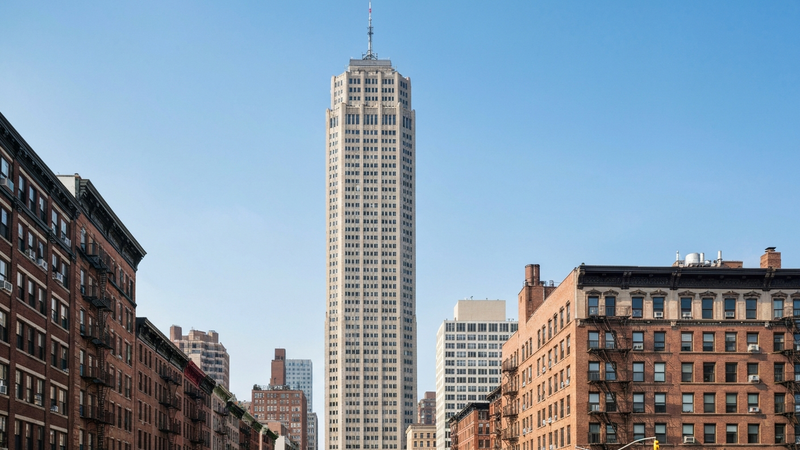
A slender tower in a district that has almost none. The Upper West Side is mostly six to twenty storeys, so a building of this height produces an outlook that no other apartment in the neighbourhood can offer.
That is the whole proposition. East to Central Park, west to the Hudson, and open sky in most directions above a fabric that will not be rebuilt at anything like this scale.
The legal challenge concerned how the zoning lot was assembled, not the construction itself. It was resolved on appeal and the building stands at full height, which is a matter of public record rather than of interpretation.
| Attribute | Detail |
|---|---|
| Address | 200 Amsterdam Avenue, Manhattan |
| District | Upper West Side, near Lincoln Center |
| Distinction | Tallest building on the Upper West Side |
| History | Height challenged in litigation and upheld on appeal |
| Ownership | Condominium |
| Board approval | Right of first refusal only |
Building facts. Unit-level figures - size, exposure, charges, tax - must be obtained for the specific residence.
The location is on Google Maps here.
2. Height in a Low-Rise District
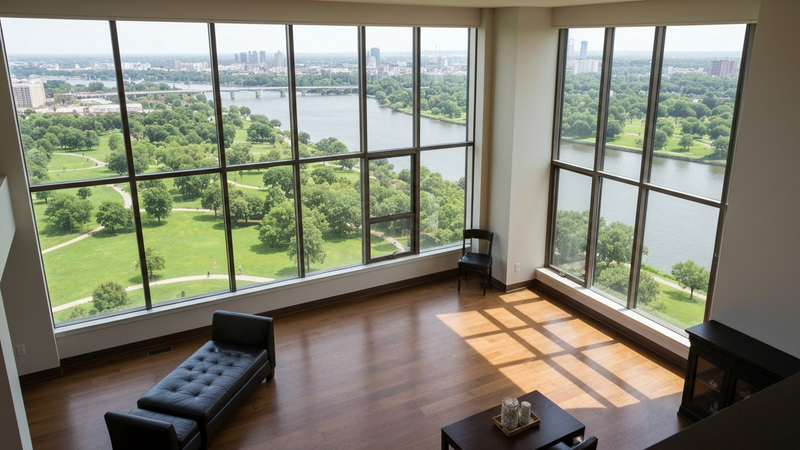
In Midtown, height is a commodity — the next tower matches it. Here it is not, because the surrounding fabric is protected by its own age, scale and in places by historic designation.
That makes the outlook unusually durable. A view over the Upper West Side is not going to be built out in the way a view across Midtown or Long Island City can be.
It also means the building is visible from everywhere, which some neighbours resent and which has no bearing whatever on the quality of the apartments inside it.
Confirm what the specific apartment sees, from which rooms and at what floor. Our remote viewing guide covers how to verify that from abroad.
3. The Diligence a Contested Building Requires

The ordinary condominium review applies in full: audited financial statements, the reserve balance in dollars, assessment history and two years of board minutes.
Beyond that, ask your attorney to confirm the current status of the building's approvals and certificate of occupancy for the specific unit. The litigation was resolved, but confirming rather than assuming is what an attorney is for.
Also establish the sponsor position. While a significant block of units remains unsold the sponsor controls the board and can dispose of units in bulk at a discount that resets your comparables.
Our building diligence guide and new development guide set out both layers.
4. Buying Here as an Overseas Purchaser

Straightforward as a condominium: no board approval vote, non-resident and entity ownership accepted, subletting governed by written building rules. On an Upper West Side dominated by prewar cooperatives, that is a genuinely short list.
Mansion tax applies from $1 million on the whole price, reaching 2.25% between $5 and $10 million and 3.25% above $10 million. Where units remain with the sponsor, transfer taxes are customarily shifted to the purchaser, roughly a further 1.8 to 2.0%.
Settle ownership structure before contract; US estate tax reaches non-resident owners above a $60,000 exemption on US-situs assets. See our estate tax guide and condo versus co-op guide.
Why this matters on this side of the park
The Upper West Side's older buildings are overwhelmingly cooperative, and cooperative boards approve every purchaser, require verified financial disclosure and frequently restrict entity ownership.
A modern condominium in this district therefore serves a buyer that most of the neighbourhood's housing simply cannot. That is a durable resale position rather than a temporary one.
The Lincoln Center position
The building sits within a short walk of Lincoln Center, Central Park and the Hudson waterfront, in a district that functions as a residential neighbourhood rather than as an extension of Midtown.
For a household living here full time rather than visiting, that combination is the practical argument for the location, and it is why prices in this district move less sharply through cycles than in more speculative areas.
Amenity cost and the monthly figure
Deep amenity provision is funded permanently through common charges. Compare the charge per square foot against operating buildings of similar size rather than accepting a first-year projection.
Manhattan condominium operating expense runs a median $15.52 per square foot a year as a reference point. A full-amenity new tower runs above it, and the gap should be explicable rather than merely accepted.
Final Thoughts: A View That Cannot Be Built Out
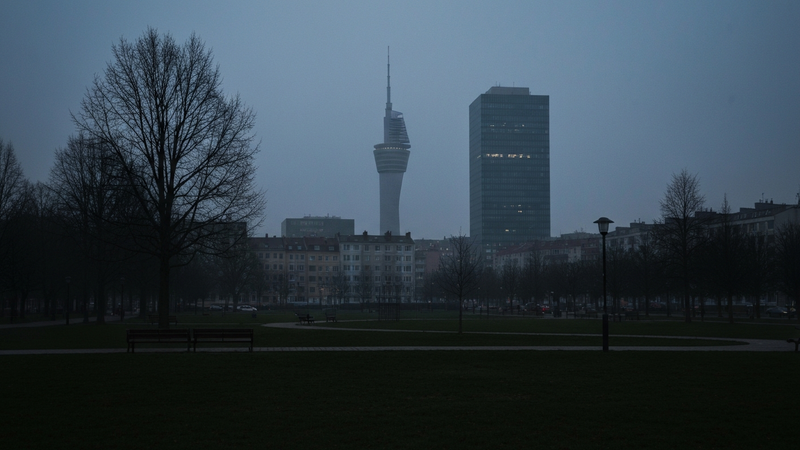
Height is only valuable where it is scarce, and on the Upper West Side it genuinely is. The litigation that made this building notorious is settled and belongs in the diligence file rather than in the decision. What remains is an outlook over a protected low-rise district in condominium form — a combination the neighbourhood offers in very few places.
We cover the Upper West Side on Satoshi Onodera's YouTube channel and on Instagram. If a residence here is in view, talk to our team and we will obtain the financials and the approvals status first. Real estate brokerage services are provided through licensed professionals.
A note on financing for a buyer abroad. Foreign national mortgages require a larger deposit and a longer underwriting period than domestic ones, and lenders assess the building alongside the borrower.
Where a building has a litigation history, however resolved, expect a lender to ask about it. Have your attorney prepare the answer in advance rather than responding to it under time pressure during underwriting.
One further point about buying in a tall building surrounded by short ones. Wind, sway and lift travel time are all more noticeable at height than buyers expect, and none of them appear in a floor plan or a rendering.
Ask to visit on a windy day if you can, or have the walkthrough filmed on one. Buildings differ considerably in how they handle it, and a purchaser who has only ever lived below the twentieth floor should know what the top of a tower actually feels like before committing.
Reinvent NY provides business consulting, operational support, and coordination services. Legal advice and immigration filings are handled by independent licensed attorneys. Real estate services are provided through licensed professionals and applicable brokerage relationships. This article is for informational purposes only and does not constitute legal or investment advice.
More buildings worth knowing: 100 Eleventh Avenue, 111 West 57th Street, 130 William. The full set is indexed under New York building profiles.

Satoshi Onodera
Founder & CEO, Reinvent NY Inc.
Founded Reinvent NY in 2024. Providing relocation support from all over the world to America.
Ready to Get Started?
Our team in New York is ready to help with your visa, real estate, or relocation needs.
Schedule a ConsultationFrequently Asked Questions
Where is 200 Amsterdam?
At Amsterdam Avenue and 69th Street on the Upper West Side, near Lincoln Center. The location is on [Google Maps](https://maps.google.com/?q=200+Amsterdam+Avenue+New+York).
Why is the building notable?
It is the tallest building on the Upper West Side, and its height was the subject of a well-publicised legal challenge over the zoning lot on which it was built.
What happened with the litigation?
Opponents challenged the zoning lot configuration after construction began. The building was ultimately permitted to stand at its full height following appellate review.
Does that history matter to a buyer?
The legal question was resolved, but it is worth having your attorney confirm the current status of any approvals for the specific unit as part of ordinary diligence.
Is it a condominium?
Yes. There is no board approval vote, and non-resident and entity ownership are generally accepted.
What is the outlook?
Central Park to the east, the Hudson to the west and open sky in most directions above the surrounding low-rise fabric. Confirm what the specific apartment sees.
What should I confirm first?
The reserve balance, assessment history, sponsor position and board control, the approvals status, and the actual monthly charges and property tax for the specific residence.
Real Estate Guides & Data
More guides
- Depreciation on a US Rental: The 27.5 Years
- Renting to Students in NYC: Guarantors and Group Leases
- Mortgages for Foreign Nationals: US Property Financing
- Common Charges vs Maintenance: What Monthlies Contain
- Buying in Manufactured Districts: Hudson Yards Logic
- Marketing an Apartment: The Listing's Craft
Related Articles
Grand Concourse Bronx Real Estate Guide 2026
Our team in New York breaks down Grand Concourse real estate for 2026: prices, rents, historic buildings, transit, and who this Bronx boulevard suits.
Country Club Bronx Real Estate Guide 2026
An authoritative 2026 guide to Country Club, Bronx: housing stock, prices, rents, transit, and schools for international buyers and renters.
Throggs Neck Bronx Real Estate Guide 2026
An authoritative 2026 guide to Throggs Neck, Bronx: housing stock, prices, rents, transit, and schools for international buyers and renters.
Buying the Second US Property Without Selling
How US owners fund the next purchase: cash-out refinancing that is not taxable income, 1031 exchanges when swapping, and why succession needs a separate plan.