Throggs Neck Bronx Real Estate Guide 2026
What Throggs Neck Actually Is
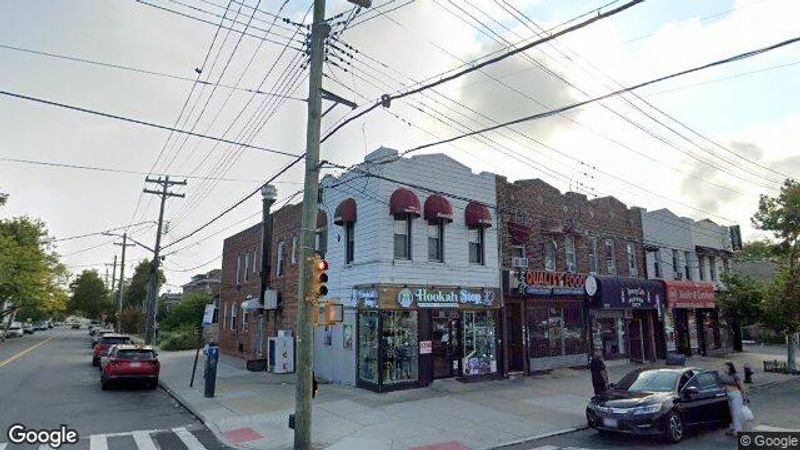
Throggs Neck sits at the southeastern tip of the Bronx, bounded by the East River, Long Island Sound, and Westchester Creek. It is a peninsula neighborhood, historically settled by Italian and Irish working-class families, now home to a broader mix. Our team in New York treats it as one of the city's quieter, more suburban-feeling corners.
The neighborhood's identity is shaped by its geography — three waters nearly enclose it — and by institutions like SUNY Maritime College at Fort Schuyler, occupying the peninsula's easternmost point. Throggs Neck Expressway (I-295) and the Bruckner Expressway frame its western edge, giving it a defined, almost insular character within the borough.
Unlike much of the Bronx, Throggs Neck reads as low-density and residential, with single-family homes, small multifamily buildings, and civic pride tied to parish churches and veteran organizations. Our licensed brokerage network sees consistent interest from buyers seeking a quieter alternative to Manhattan or brownstone Brooklyn, without leaving the city entirely.
The Housing Stock
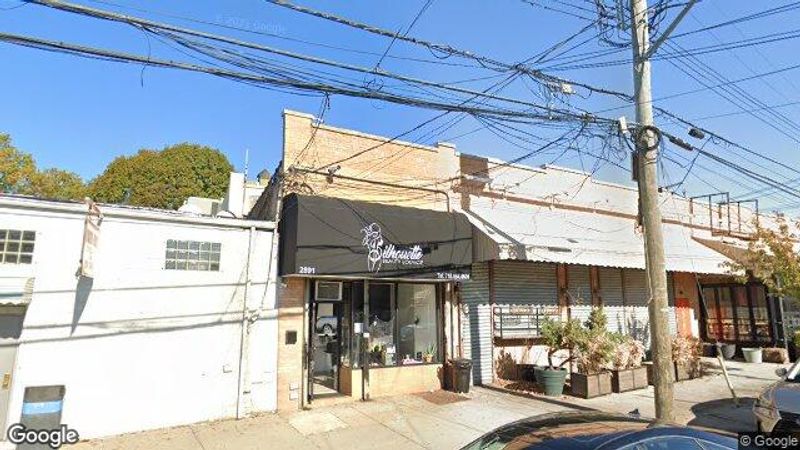
Housing here skews toward detached and semi-detached single-family homes, many built between the 1920s and 1960s in Colonial, Cape Cod, and brick Tudor styles. Streets like Dewey Avenue, Harding Avenue, and Miles Avenue carry rows of these post-war homes, often with driveways, small yards, and garages — rare amenities elsewhere in the borough.
Multifamily stock includes modest two- and three-family houses and mid-century garden apartment complexes, particularly near Tremont Park and along East Tremont Avenue. Notable co-op developments, such as Silver Beach Gardens near the water, offer bungalow-style cooperative living, a distinctive housing type with roots in early 20th-century summer colonies converted to year-round residences.
New construction is limited but present, with occasional infill condos and townhouse developments replacing older lots. Buyers should expect a market weighted toward resale single-family and co-op units rather than glass towers, appealing to those wanting long-term stability, private outdoor space, and lower-density living within city limits.
Prices and Rents
Throggs Neck remains one of the more affordable waterfront-adjacent Bronx neighborhoods. Single-family homes typically trade between $500,000 and $850,000, with larger waterfront properties reaching higher. Co-op units, including Silver Beach Gardens bungalows, generally sell in the $150,000 to $350,000 range, figures always approximate and subject to market conditions.
Rental stock is smaller but active, concentrated in two-family homes and garden apartment complexes. One-bedroom rentals typically run $1,700 to $2,300 monthly, while two-bedrooms range from $2,200 to $2,900. Our team in New York advises clients that inventory turns slowly here compared to Manhattan or Brooklyn's rental markets.
| Area | Single-Family Home Price | Co-op/Condo Price | 1BR Rent | 2BR Rent |
|---|---|---|---|---|
| Throggs Neck | $500,000–$850,000 | $150,000–$350,000 | $1,700–$2,300 | $2,200–$2,900 |
| Pelham Bay | $550,000–$900,000 | $180,000–$400,000 | $1,800–$2,400 | $2,300–$3,000 |
| Country Club | $600,000–$950,000 | $200,000–$420,000 | $1,900–$2,500 | $2,400–$3,100 |
| City Island | $650,000–$1,100,000 | $250,000–$500,000 | $2,000–$2,700 | $2,600–$3,300 |
Approximate 2026 Prices and Rents, Throggs Neck vs. Nearby Bronx Areas
Compared with neighboring Bronx areas and outer-borough benchmarks, Throggs Neck offers meaningfully lower entry prices while retaining strong owner-occupancy rates, a factor buyers should weigh against limited transit and slower appreciation historically seen in car-dependent peninsula neighborhoods.
Daily Life and Transit
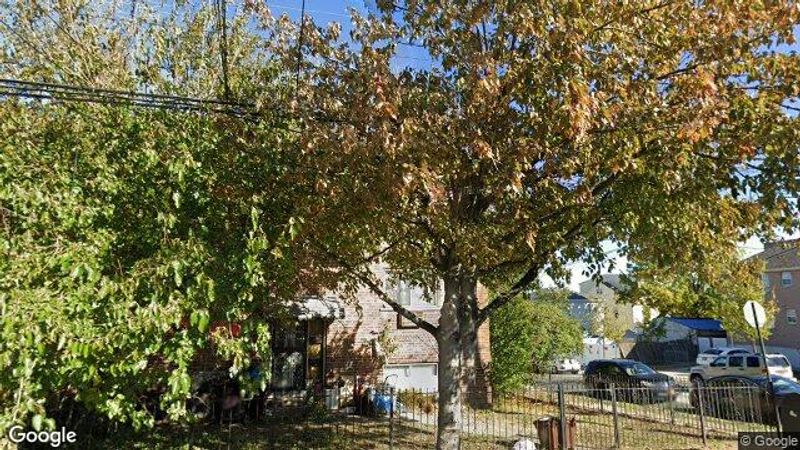
Throggs Neck is car-oriented, lacking direct subway access, which shapes daily routines. Residents rely on express and local buses — the Bx5, Bx40, and Bx42 — connecting to the 6 train at Parkchester or Westchester Square. Typical commutes into Midtown Manhattan run 50 to 70 minutes depending on bus-to-subway connections.
Grocery needs are met by local supermarkets and specialty Italian delis along East Tremont Avenue and Lafayette Avenue, while Ferry Point Park offers golf, waterfront paths, and skate parks. Schools include P.S. 14 and P.S. 72, with families also considering nearby Catholic parish schools historically tied to the neighborhood's Italian and Irish roots.
| Mode/Amenity | Access Point | Approx. Time/Distance | Notes |
|---|---|---|---|
| Bus to 6 train | Bx40/Bx42 to Westchester Sq | 15–20 min | Connects to Manhattan-bound 6 |
| Express bus (BxM8) | Various stops | 45–60 min to Midtown | Peak hours only |
| Ferry Point Park | Bruckner Blvd entrance | 5–10 min drive | Golf, waterfront trails |
| Supermarkets | East Tremont Ave corridor | Walkable in core area | Limited big-box options |
| Driving to Manhattan | via I-295/Bruckner Expwy | 30–45 min | Traffic-dependent |
Transit and Lifestyle Snapshot, Throggs Neck
Green space is a genuine asset: Ferry Point Park, Pennyfield Avenue's waterfront, and Silver Beach's private shoreline give residents access to water views and recreation uncommon elsewhere in the Bronx. Daily life here favors driving over transit, and our licensed brokerage network flags this clearly to clients weighing convenience against space and quiet.
Final Thoughts
Throggs Neck suits buyers prioritizing space, privacy, and waterfront proximity over subway convenience. Families drawn to detached homes with yards, or retirees seeking quieter co-op living near the water, will find genuine value here relative to Manhattan and much of Brooklyn's overheated markets.
It is less suited to buyers requiring immediate subway access or a dense, walkable urban lifestyle. Those prioritizing nightlife, transit-dependent commutes under 30 minutes, or rapid resale liquidity should look toward neighborhoods closer to established subway lines.
Our team in New York positions Throggs Neck as a considered, long-term purchase rather than a speculative one. For international clients seeking a genuine residential foothold in the city with lower entry costs, it remains a credible, under-examined option within the Bronx market.
Reinvent NY provides business consulting, operational support, and coordination services. Real estate services are provided through licensed professionals and applicable brokerage relationships. This article is for informational purposes only and does not constitute legal or investment advice.
Nearby neighbourhoods: Riverdale, Fieldston, Bronx, Mott Haven. The full set is indexed under New York neighbourhood guides.

Satoshi Onodera
Founder & CEO, Reinvent NY Inc.
Founded Reinvent NY in 2024. Providing relocation support from all over the world to America.
Ready to Get Started?
Our team in New York is ready to help with your visa, real estate, or relocation needs.
Schedule a ConsultationFrequently Asked Questions
Is Throggs Neck a good area for buying property in 2026?
Yes, particularly for buyers seeking single-family homes or co-ops at lower price points than Manhattan or Brooklyn. It suits those prioritizing space and waterfront proximity over subway access, with prices remaining approximate and subject to market conditions.
Does Throggs Neck have subway access?
No subway line runs directly through Throggs Neck. Residents use bus routes like the Bx40 and Bx42 to reach the 6 train at Westchester Square or Parkchester, adding time to Manhattan-bound commutes.
What types of homes are most common in Throggs Neck?
Detached and semi-detached single-family homes dominate, built largely between the 1920s and 1960s. Two- and three-family houses and cooperative complexes like Silver Beach Gardens also make up a notable share of the housing stock.
How do Throggs Neck prices compare to nearby Bronx neighborhoods?
Throggs Neck is generally more affordable than Pelham Bay, Country Club, and City Island, with single-family homes often starting around $500,000, though figures vary by property condition and remain subject to market conditions.
Is Throggs Neck walkable?
Parts of the neighborhood, particularly around East Tremont Avenue, are walkable for daily errands, but the area overall is car-oriented. Ferry Point Park offers pedestrian and recreational space along the waterfront.
What schools serve the Throggs Neck area?
P.S. 14 and P.S. 72 serve local families, with several Catholic parish schools historically popular given the neighborhood's Italian and Irish heritage. Families should verify current zoning and enrollment directly with the NYC Department of Education.
Who should avoid buying in Throggs Neck?
Buyers who need direct subway access, dense walkable amenities, or fast resale turnover may find Throggs Neck restrictive. It suits long-term, space-oriented buyers rather than those seeking urban density or transit-first convenience.
Real Estate Guides & Data
More guides
- Buying Short Sales: Discounts on the Lender's Clock
- Tax Treaties and US Property: Avoiding Double Taxation
- Trusts and US Property: The Structures Behind the Names
- US Real Estate Investing: Yields, Taxes and How to Buy
- Walk-Up vs Doorman Buildings: The Service Premium
- 1031 Exchanging Into NYC: Trading Up to Manhattan
Related Articles
Country Club Bronx Real Estate Guide 2026
An authoritative 2026 guide to Country Club, Bronx: housing stock, prices, rents, transit, and schools for international buyers and renters.
200 Amsterdam: The Tallest Tower on the Upper West Side
200 Amsterdam is the tallest building on the Upper West Side and survived a court challenge to its height. What it offers, and what to confirm first.
Buying the Second US Property Without Selling
How US owners fund the next purchase: cash-out refinancing that is not taxable income, 1031 exchanges when swapping, and why succession needs a separate plan.
Pelham Bay Bronx Real Estate Guide 2026
An overseas buyer's guide to Pelham Bay, Bronx: housing stock, prices, rents, transit, and schools, from Reinvent NY's local advisory team.