Grand Concourse Bronx Real Estate Guide 2026
What Grand Concourse Actually Is
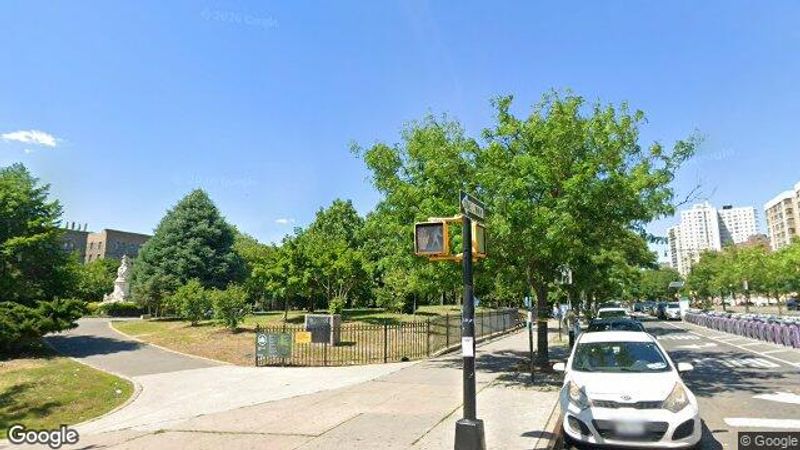
Grand Concourse is both a neighborhood and the 4.5-mile boulevard that anchors it, running through the central Bronx from 138th Street north past Mosholu Parkway. Modeled loosely on Parisian boulevards, it was conceived in the 1890s and completed in 1909 as the borough's grand civic spine, lined with monumental apartment houses.
The corridor stretches through several sub-districts, including the Grand Concourse Historic District near 153rd to 167th Streets, Concourse Village, and the area around Fordham Road further north. Each stretch has its own character, from Art Deco grandeur to postwar brick towers, but all share the wide, tree-lined avenue as their common identity.
Today the neighborhood is predominantly working- and middle-class, with a strong Latino and Caribbean presence, alongside a wave of renewed investor interest tied to landmark protections and transit access. Our team in New York sees it as an area in transition, offering scale and architectural pedigree still underpriced relative to comparable Manhattan and Brooklyn boulevards.
The Housing Stock
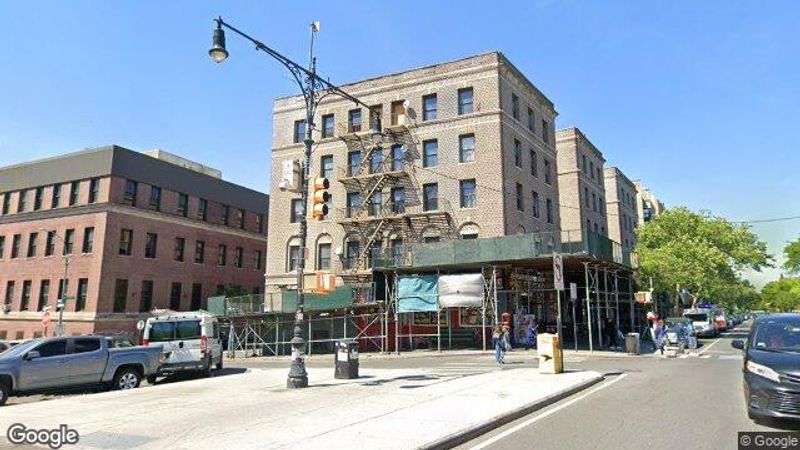
The defining feature of Grand Concourse is its concentration of Art Deco apartment buildings from the 1930s and 1940s, many built by developers capitalizing on the IND Concourse Line's arrival. Buildings like the Fish Building at 1150 Grand Concourse and the Andrew Freedman Home at 1125 Grand Concourse showcase terra-cotta detailing, curved corners, and lobby murals rare outside Manhattan.
Unit types skew toward pre-war one- and two-bedroom layouts with high ceilings, sunken living rooms, and original herringbone or parquet floors, typically 700 to 1,400 square feet. Postwar additions, including 1960s and 1970s brick elevator buildings near 161st Street and the Bronx County Courthouse, offer larger but less architecturally distinctive co-op and rental stock.
Ownership is dominated by co-ops rather than condos, a legacy of 1970s-80s conversions, which means board approval and flip taxes shape most purchase transactions. New condo development remains limited, so buyers seeking new construction should expect fewer options here than in South Bronx waterfront pockets like Mott Haven or Port Morris.
Prices and Rents
Grand Concourse remains one of the more accessible entry points into New York City real estate for international buyers. Co-op studios and one-bedrooms in pre-war buildings along the historic district often trade in the low-to-mid six figures, while renovated two-bedrooms in postwar towers command a modest premium. All figures below are approximate and subject to market conditions.
Rental demand is steady, driven by proximity to Yankee Stadium, the courthouse complex, and Manhattan-bound subway lines. Rent-stabilized units are common in older buildings, which affects both yield and tenant turnover, a factor our licensed brokerage network flags for buyers evaluating investment returns versus comparable Bronx or northern Manhattan submarkets.
| Neighborhood | Studio/1BR Sale Price | 2BR Sale Price | 1BR Monthly Rent | 2BR Monthly Rent |
|---|---|---|---|---|
| Grand Concourse | $120,000–$220,000 | $220,000–$380,000 | $1,600–$2,200 | $2,100–$2,900 |
| Mott Haven | $300,000–$550,000 | $500,000–$900,000 | $2,400–$3,200 | $3,000–$4,200 |
| Riverdale | $180,000–$350,000 | $350,000–$650,000 | $1,900–$2,600 | $2,500–$3,400 |
| Fordham/Belmont | $130,000–$230,000 | $230,000–$400,000 | $1,650–$2,150 | $2,100–$2,800 |
Approximate Grand Concourse pricing versus nearby Bronx neighborhoods, early 2026
Compared to Riverdale or Mott Haven, Grand Concourse offers larger pre-war layouts at a discount, though building condition and elevator maintenance vary widely and require careful due diligence before purchase.
Daily Life and Transit
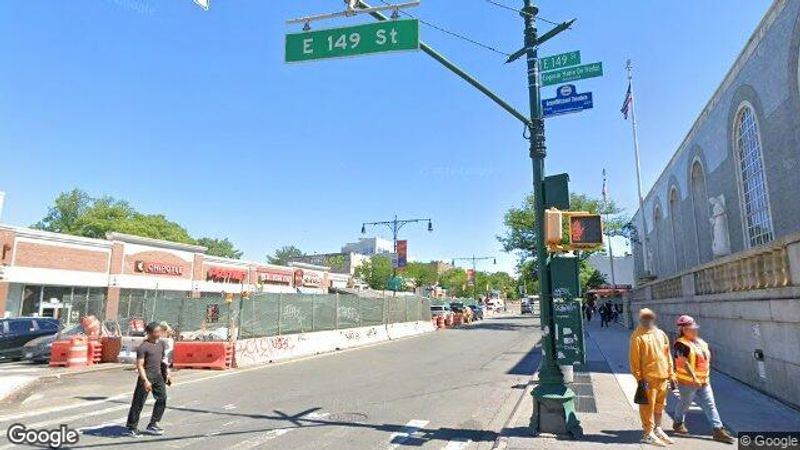
Transit access is a core selling point. The 4 train runs express along Jerome Avenue nearby, while the B and D trains stop directly along the Concourse corridor at stations including 161st Street–Yankee Stadium and Fordham Road, putting Midtown Manhattan within 25 to 35 minutes for most residents.
Daily conveniences cluster around 161st Street, home to the Bronx County Courthouse, Yankee Stadium, and a growing retail strip, plus year-round produce and grocery options along the Grand Concourse itself. Joyce Kilmer Park and the larger Bronx Zoo and New York Botanical Garden further north offer significant green space rare at these price points.
| Subway Line | Key Station | Destination | Approx. Commute Time |
|---|---|---|---|
| 4 | 161st Street–Yankee Stadium | Grand Central | 28 minutes |
| B/D | 161st Street–Yankee Stadium | Midtown (34th St) | 32 minutes |
| D | Fordham Road | Columbus Circle | 38 minutes |
| 4 | 170th Street | Union Square | 35 minutes |
Key transit connections from Grand Concourse stations
Public schools serve the area through the NYC Department of Education's District 9 and District 10, with mixed performance ratings that buyers with families should research building-by-building; several Catholic and charter alternatives also operate along the corridor.
Final Thoughts
Grand Concourse suits buyers drawn to pre-war architecture, generous square footage, and direct subway access to Manhattan at a fraction of comparable prices downtown. It rewards patience and appreciation for landmark-district character over polished new construction, and works well for long-term holds rather than quick flips.
It is less suited to buyers who want condo-style flexibility, doorman amenities, or immediate rental liquidity without co-op board scrutiny. Renovation needs in older elevator buildings can also be substantial, and prospective owners should budget for building-wide capital assessments common in this housing stock.
Our team in New York recommends Grand Concourse to clients seeking value, scale, and architectural substance in the Bronx, paired with realistic expectations about building age, transit-dependent daily life, and a longer investment horizon than Manhattan or brownstone Brooklyn typically requires.
Reinvent NY provides business consulting, operational support, and coordination services. Real estate services are provided through licensed professionals and applicable brokerage relationships. This article is for informational purposes only and does not constitute legal or investment advice.
Nearby neighbourhoods: Riverdale, Fieldston, Bronx, Mott Haven. The full set is indexed under New York neighbourhood guides.

Satoshi Onodera
Founder & CEO, Reinvent NY Inc.
Founded Reinvent NY in 2024. Providing relocation support from all over the world to America.
Ready to Get Started?
Our team in New York is ready to help with your visa, real estate, or relocation needs.
Schedule a ConsultationFrequently Asked Questions
Is Grand Concourse a good area for real estate investment?
It offers strong value relative to Manhattan and Brooklyn, with pre-war stock and reliable subway access. Yields depend heavily on building condition and rent-stabilization status, so our licensed brokerage network recommends thorough due diligence before purchase.
Are most apartments on Grand Concourse co-ops or condos?
The vast majority are co-ops, many converted from rentals in the 1970s and 1980s. Condos exist but are far less common, which affects financing options and board approval requirements for prospective buyers.
What subway lines serve Grand Concourse?
The B, D, and 4 trains all serve the corridor, with major stations at 161st Street–Yankee Stadium and Fordham Road. Manhattan destinations like Midtown and Grand Central are typically 25 to 35 minutes away.
How much does an apartment cost on Grand Concourse in 2026?
Approximate co-op prices range from $120,000 to $220,000 for studios and one-bedrooms, and $220,000 to $380,000 for two-bedrooms. All figures are subject to market conditions and building-specific factors.
What architectural style defines the neighborhood?
Art Deco dominates, particularly buildings constructed in the 1930s along the historic district between 153rd and 167th Streets. Expect terra-cotta facades, curved corners, and ornate lobbies rarely found at comparable price points elsewhere.
Is Grand Concourse walkable and well-served by amenities?
Yes, particularly around 161st Street and Fordham Road, which offer groceries, retail, and access to Joyce Kilmer Park. The corridor also connects north toward the Bronx Zoo and New York Botanical Garden.
Who should avoid buying on Grand Concourse?
Buyers wanting new-construction condos, doorman amenities, or fast rental turnover may find better fits elsewhere in the Bronx or Manhattan. Grand Concourse rewards patient, long-term ownership rather than short-term flips.
Real Estate Guides & Data
Related Articles
Morris Park Bronx Real Estate Guide 2026
What Morris Park in the Bronx costs in 2026: the housing stock street by street, sale and rent ranges, how residents commute, and what buyers should check.
Manhattan House: The White Brick Block That Changed NYC
Manhattan House introduced modernist apartment living to New York in 1950 and later converted to condominium. What it offers an overseas buyer.
Country Club Bronx Real Estate Guide 2026
An authoritative 2026 guide to Country Club, Bronx: housing stock, prices, rents, transit, and schools for international buyers and renters.
200 Amsterdam: The Tallest Tower on the Upper West Side
200 Amsterdam is the tallest building on the Upper West Side and survived a court challenge to its height. What it offers, and what to confirm first.