NYC Rent Freeze 2026: Which Apartments It Covers
On June 25, 2026, the New York City Rent Guidelines Board voted to allow 0% increases on both one-year and two-year renewal leases for rent stabilized apartments. The order covers leases that begin between October 1, 2026 and September 30, 2027, so it is already in force. Mayor Zohran Mamdani's office called it the first freeze on two-year leases in the city's history.
The freeze was a campaign promise and was widely reported abroad. It does not, however, reach every rental in the city. Most owners who bought a condominium and let it at market rent are outside it, while anyone who owns or is buying a building with stabilized units has a new revenue assumption to price in. Here is where the line falls.
1. What the Board Decided
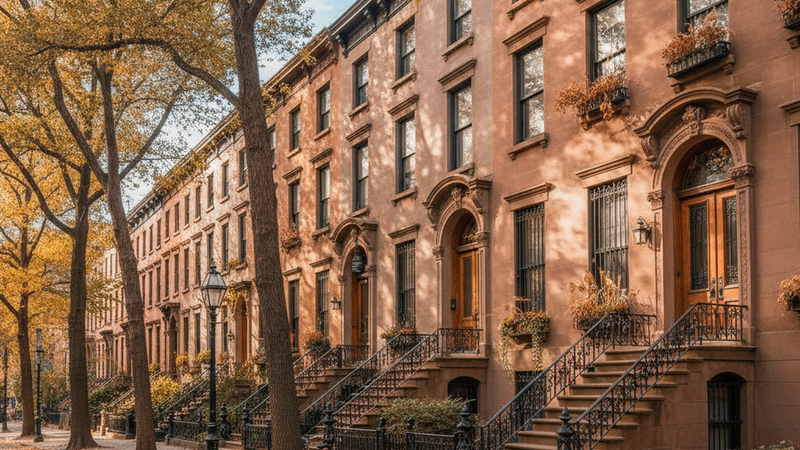
The board sets, once a year, the maximum increase owners of stabilized apartments may charge on renewal. The 2026 decision is published as Order 58. Set beside the previous year's Order 57, the change is stark.
| Item | 2025/26 (Order 57) | 2026/27 (Order 58) |
|---|---|---|
| One-year lease | 3% | 0% |
| Two-year lease | 4.5% | 0% |
| Leases beginning | Oct 1, 2025 to Sep 30, 2026 | Oct 1, 2026 to Sep 30, 2027 |
| Also applies to | 421-a and Section 423 units | 421-a and Section 423 units |
Source: NYC Rent Guidelines Board, Apartment and Loft Orders 57 and 58.
Why the two-year freeze matters most
A two-year lease signed at 0% in September 2027 keeps the same rent until September 2029. The board had frozen one-year leases before, in 2015, 2016 and 2020, but never two-year leases, so this is the longest stretch of flat regulated rent an owner has had to underwrite.
Order 58 covers lofts at 0% as well, and keeps the standard wording "together with such further adjustments as may be authorized by law." Increases tied to approved building-wide or apartment improvements are governed separately, under the limits set by state law in 2019 and since.
2. Which Units Are Covered, and Which Are Not
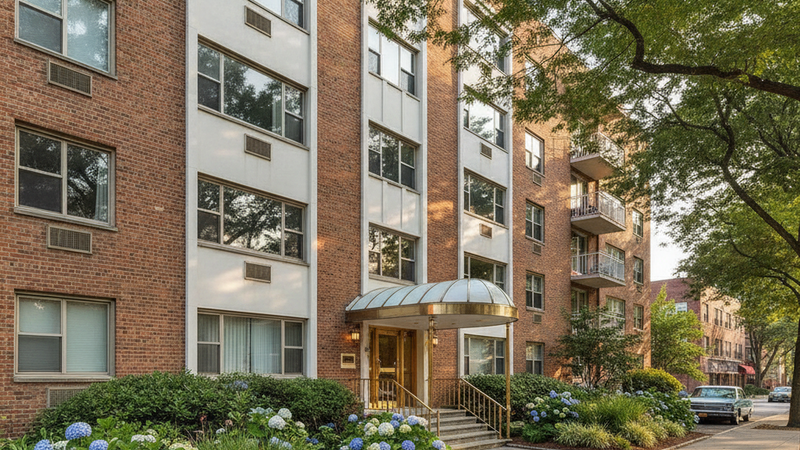
Rent stabilization generally covers apartments in buildings of six or more units built before 1974, plus units in buildings that receive tax benefits such as 421-a or J-51 for the period of the benefit. Reports put the stabilized stock at about one million apartments.
Market-rate units are outside the order. A condominium unit bought by an individual and let at market rent, in a building without a benefit that carries regulation, is normally in this group. Its rent is set by the lease and the market, exactly as before.
The unit-by-unit test
Status attaches to the apartment, not the building. A single building can hold stabilized and market-rate units side by side, and buildings converted to co-op or condo ownership often still house tenants who never bought and remain regulated. The reliable check is whether the unit is registered with New York State Homes and Community Renewal (HCR).
Before buying, ask the seller for the registration history of every unit, and compare it with the Rent Guidelines Board's published list of buildings containing stabilized units. Our rent stabilization guide explains what the registration record shows and what it does not.
What to ask for before buying a building
A buyer of a building with any regulated units should ask for six items before signing a contract:
1. The HCR registration history for every unit. 2. Every current lease, with its start date and term. 3. Any preferential rents below the legal registered rent. 4. Pending or approved MCI and IAI applications. 5. Open rent overcharge complaints. 6. For buildings with a tax benefit such as 421-a or J-51, the date the benefit and any regulation tied to it end.
Together, these items show how many units the freeze touches, when each one renews and for how long its rent will stay flat. That is the information the price should be built on.
3. What It Means for Owners and Buyers of Regulated Buildings
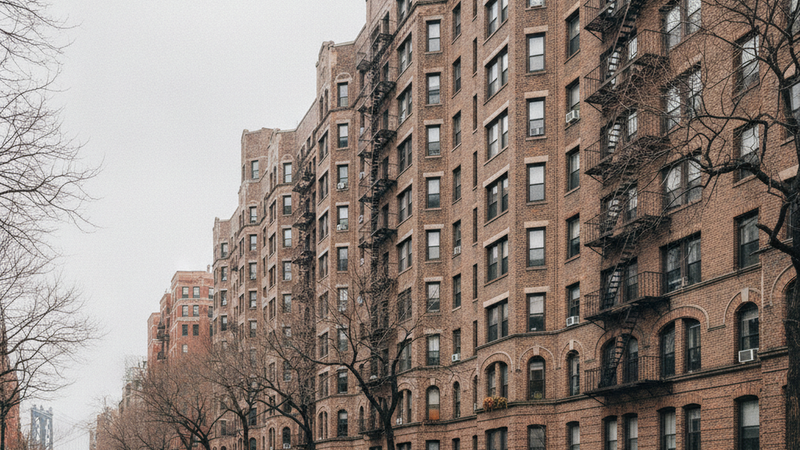
Revenue stops; costs do not. Rents on stabilized units renewing before October 2027 stay where they are, and two-year renewals stay there into 2029. Insurance, payroll, fuel and property taxes keep moving, which is the core of the owners' case against the decision.
There is no catch-up later. The 2019 Housing Stability and Tenant Protection Act already removed vacancy decontrol, the vacancy bonus and high-income decontrol, so a new tenant does not reset the rent to market. Our analysis of rent stabilized building investment after 2019 walks through how that has repriced these assets.
A simple illustration
Take a stabilized apartment renting for $2,000 a month. Under last year's Order 57, a one-year renewal could have gone to $2,060 and a two-year renewal to $2,090. Under Order 58 both stay at $2,000. The difference is $720 a year on a one-year renewal and $1,080 a year on a two-year renewal, per unit, before any change in costs.
Ownership structure does not change the answer
Regulation runs with the unit. Whether the buyer is an individual, an LLC or a foreign company, and whether the owner lives in New York or abroad, the same rents and the same limits transfer at closing. Build the rent roll, registered rents and renewal dates into the price, with the number of flat years stated explicitly.
Landlord groups sued in July 2026, alleging the board ran a predetermined process. Brownstoner reported on September 25, 2026 that the Manhattan Supreme Court judge hearing the case expects to rule before the end of the year. Until then, the freeze applies to every covered lease.
4. What Condo Owners Who Rent Out Should Watch
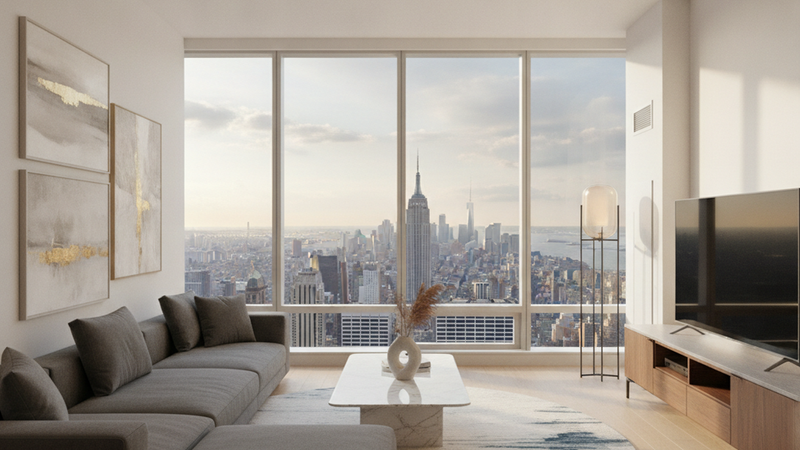
For a market-rate condo, nothing in Order 58 sets your renewal. What matters is comparable asking rents for similar units nearby and the notice periods for renewal or non-renewal in your lease and under state law. Our guide to leasing your condo covers both.
One check is worth doing now. If your building receives a tax benefit such as 421-a, confirm in writing with the managing agent or your attorney whether any rent regulation attaches to your unit. It is a five-minute question that can change the value of the lease.
The counterargument
Some argue the freeze will hold down rents across the city. However, the order caps renewals on regulated units; it adds no supply of market-rate apartments, and we see no basis yet for expecting free-market rents to fall because of it. For where market rents stand, see our NYC rent market guide.
5. Final Thoughts: A Broker's View

A broker's view, from Satoshi Onodera, a licensed New York real estate broker and the founder of Reinvent NY. The freeze shows up first in the prices of buildings with a high share of stabilized units. Income is fixed for longer while costs rise, and buyers will reprice for that, which widens the room to negotiate but demands a clear answer on how many flat years you can carry.
For anyone choosing New York as a place to hold capital, the practical conclusion is to treat a market-rate condominium and a building with regulated units as two different assets, compared on their own terms. For the condo side of that comparison, see our guide to buying property in NYC as a foreign buyer.
Reporters: for comment on this topic, see our press page.
Reinvent NY provides business consulting, operational support, and coordination services. Legal advice and immigration filings are handled by independent licensed attorneys. Real estate services are provided through licensed professionals and applicable brokerage relationships. This article is for informational purposes only and does not constitute legal or investment advice.
More buying guides: Rent vs Buy in NYC, Buying a New York Condo as an International Buyer, NYC Apartments for Sale.
This article is also available on our Japanese site.

Satoshi Onodera
Founder & CEO, Reinvent NY Inc.
Founded Reinvent NY in 2019. Providing relocation support from all over the world to America.
Ready to Get Started?
Our team in New York is ready to help with your visa, real estate, or relocation needs.
Schedule a ConsultationFrequently Asked Questions
What did the NYC Rent Guidelines Board decide in 2026?
On June 25, 2026 the board adopted Order 58, which sets 0% for both one-year and two-year renewal leases of rent stabilized apartments beginning between October 1, 2026 and September 30, 2027.
Does the rent freeze apply to my condo that I rent out?
Usually not. The order covers rent stabilized units. A condominium unit let at market rent, in a building without a tax benefit that carries rent regulation, is set by the lease and the market. If the building receives a benefit such as 421-a, confirm the unit's status in writing.
How long does the freeze last?
It applies to leases beginning from October 1, 2026 to September 30, 2027. A two-year lease that starts at 0% near the end of that window keeps the same rent until 2029.
How do I check whether an apartment is rent stabilized?
Check whether the unit is registered with New York State Homes and Community Renewal and review its registration history. Before buying a building, ask the seller for the registrations for every unit and compare them with the Rent Guidelines Board's list of buildings containing stabilized units.
Can an owner raise the rent to market when a tenant leaves?
No. The Housing Stability and Tenant Protection Act of 2019 removed vacancy decontrol and the vacancy bonus, so a stabilized unit stays stabilized and a new lease is subject to the board's guidelines.
Is the freeze being challenged in court?
Yes. Landlord groups sued in July 2026. Brownstoner reported on September 25, 2026 that the Manhattan Supreme Court judge expects to rule before the end of the year. The freeze remains in effect meanwhile.
Real Estate Guides & Data
Related Articles
US Real Estate Tax Strategies 2026: Keep More Yield
1031 exchanges, depreciation, entity choice, and estate tax exposure: the tax levers that decide what US real estate investors actually keep in 2026.
VA Loan Guide 2026: Zero Down & Fee Rules
Master VA loan eligibility, funding fees and occupancy rules for veterans. Secure zero down payments with our step-by-step application guide.
NYC Pied-a-Terre Tax 2026: Who Pays and How Much
NYC's surcharge on non-primary homes took effect in 2026. Rates, the $1M condo and co-op threshold, who is exempt, and what owners abroad should check now.
Real Estate Development Process: Land to Completion
Navigate complex capital-intensive development through land acquisition, zoning, construction, and final completion. Master the full lifecycle.