Real Estate Attorney NYC: Why Every Deal Needs One
In California, a home sale moves through a standard form contract and a neutral escrow company that holds the file together. In New York, it moves through two lawyers. Nearly every residential closing in Manhattan, Brooklyn and Queens is negotiated attorney to attorney, and the contract that governs the deal is rewritten for that specific deal.
That difference is not ceremonial. Until both sides sign and deliver the contract, there is no deal, because an accepted offer in New York binds nobody. Buyers who treat their attorney as a closing-day formality routinely lose apartments in the two or three weeks between the handshake and the signature.
In this article, we'll cover what a real estate attorney in NYC does at each stage of a transaction, what the work costs in 2026, where the risk sits for buyers and for sellers, and how to tell a thorough practice from a volume shop before you hire one.
Why New York Deals Run Through Lawyers, Not Escrow
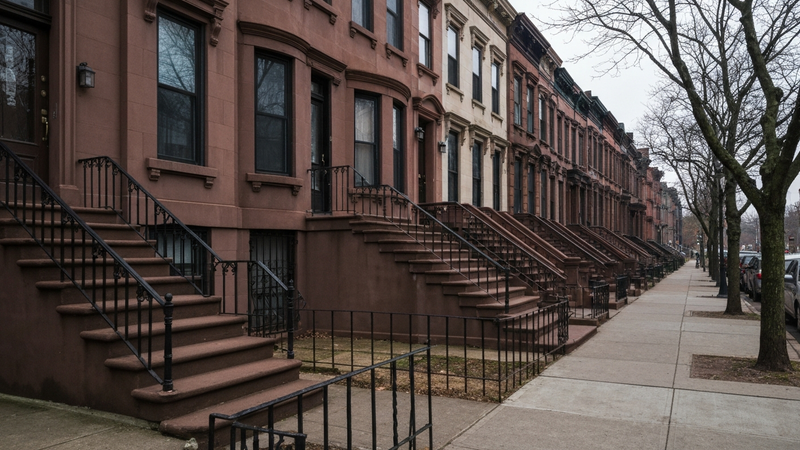
New York is an attorney state. The seller's lawyer drafts the contract of sale, the buyer's lawyer negotiates it, and the two of them carry the transaction from accepted offer to closing table. No neutral escrow company sits in the middle, and no title company runs the process the way one would in Florida or Arizona.
Most NYC contracts start from a standard printed form, but the form is not where the deal lives. The negotiated rider, frequently longer than the contract it attaches to, carries the mortgage contingency, the deposit escrow terms, the closing adjustments, the seller representations and the remedies if either side defaults.
Practical necessity reinforces the custom. Roughly 70% of Manhattan's owner-occupied apartments are co-ops by most estimates, and a co-op purchase transfers shares in a corporation plus a proprietary lease rather than a deed. A broker cannot negotiate those terms, because that is the practice of law. Our condo versus co-op guide covers where the two diverge.
What the Attorney Actually Does for a Buyer

For a buyer, the attorney's most valuable hours happen before the contract is signed, not on closing day. Once the document is fully executed and the deposit has been wired, nearly every term is fixed and the leverage you held during negotiation is gone. Our guide to buying in NYC maps how this sits alongside financing.
The core of that work is due diligence on the building. That means the last two years of board minutes, the audited financial statements, the offering plan and its amendments, the reserve fund balance, the maturity date on any underlying mortgage, pending assessments, litigation, the flip tax and the sublet policy.
| Deal stage | What the attorney handles | Typical timing |
|---|---|---|
| Accepted offer | Reviews the deal sheet, opens the file, confirms representation on both sides | Day 0-2 |
| Contract issued | Seller's counsel sends the contract, the rider and the building documents | Day 2-5 |
| Due diligence | Board minutes, financials, offering plan, budget, assessments, litigation | Day 3-10 |
| Rider negotiation | Mortgage contingency, escrow terms, adjustments, default remedies | Day 5-12 |
| Contract signing | Buyer signs and wires the deposit, customarily 10%, to seller's counsel escrow | Day 7-21 |
| Board and lender phase | Board package review, appraisal follow-up, title or lien searches, payoff letters | Week 3-10 |
| Closing | Closing statement, adjustments, transfer tax filings, funds released and keys | Closing day |
Timing assumes a standard NYC resale. New development, estate sales and entity purchases run materially longer.
Title work then splits by property type. A condo purchase gets a title search and an owner's title insurance policy, plus a waiver of the building's right of first refusal and proof that common charges are current. A co-op has no deed to insure, so counsel orders UCC and lien searches against the corporation and against the seller's shares instead.
The Seller's Side, and What This Work Costs

A seller's attorney does different work for a similar fee. They draft the contract and rider, order the managing agent's document package, hold the buyer's deposit in escrow, obtain the mortgage payoff letter, and prepare the transfer tax returns: the New York City RPTT filing, the state TP-584 and the RP-5217NYC property transfer report.
Sellers who are not US persons carry an extra layer, because the buyer's side must withhold under FIRPTA unless an exception or a withholding certificate applies. That coordination runs through the attorney and the title company, never the broker. Attorney fees sit apart from the other line items in our closing costs guide.
| Transaction type | Approximate NYC flat fee, 2026 | What drives the range |
|---|---|---|
| Condo or co-op resale, buyer side | $2,500 - $3,500 | Standard Manhattan and Brooklyn resale work |
| Condo or co-op resale, seller side | $2,500 - $3,500 | Includes transfer tax filings and payoff coordination |
| New development purchase | $3,500 - $6,000 | Offering plan review; sponsor riders are drafted to favor the sponsor |
| Townhouse or small multifamily | $4,000 - $8,000+ | Survey, certificate of occupancy, rent roll and tenancy review |
| Estate or court-supervised sale | $4,000 - $7,500 | Letters testamentary, tax waivers and additional filings |
| Purchase through an LLC or trust | Add $1,000 - $2,500 | Formation, signing authority and beneficial ownership documents |
Approximate market ranges as of 2026. Fees are usually quoted flat and exclude disbursements, title, recording and lender charges.
However, some argue these fees are soft, and volume shops do advertise closings well below the range above. The rebuttal is arithmetic. At $900 a file, the economics only work if nobody bills the four to six hours it takes to read two years of minutes and a set of financial statements. You are buying hours of attention, not a signature.
The Dangerous Gap Between Accepted Offer and Signed Contract

New Jersey gives buyers a three-day attorney review window after signing. New York offers nothing comparable, because the review happens before signature. Under the state's Statute of Frauds, a contract for the sale of real property is enforceable only when it is in writing and signed, so an accepted offer is a statement of intent and nothing more.
This is where deals die. A seller who receives a stronger bid on day nine can sign with that buyer instead, and a buyer who finds a $4 million facade project in the minutes can walk away without penalty. Speed is a form of protection, which is why we raise attorney selection in our guide to making an offer.
Two rules that are not negotiable
First, a buyer cannot use the seller's attorney. The New York Rules of Professional Conduct treat a negotiated purchase as a conflict, and one lawyer cannot advocate for both sides of a price and risk allocation. Second, watch the response clock: counsel who takes three days to return a call in week one will take three days when a commitment date is expiring.
Final Thoughts

Retain counsel before you bid, not after. The strongest offers in this market arrive with the buyer's attorney and lender already named, because the listing side reads that as a transaction likely to reach a signed contract inside two weeks, rather than one that will stall while the buyer starts interviewing law firms.
Reinvent NY is not a law firm and does not provide legal advice. We coordinate transactions alongside independent licensed New York attorneys and licensed real estate professionals, so that documents, deadlines and funds move in the right order. Buyers arriving from abroad may also want our overview of buying real estate in NYC.
If you are within a few weeks of bidding, the next step is short. Interview two attorneys who close NYC co-op and condo transactions every month, get the flat fee in writing, and confirm they can turn a contract review around in five business days. Every other part of the deal becomes easier once that seat is filled.
Reinvent NY provides business consulting, operational support, and coordination services. Legal advice and immigration filings are handled by independent licensed attorneys. Real estate services are provided through licensed professionals and applicable brokerage relationships. This article is for informational purposes only and does not constitute legal or investment advice.

Satoshi Onodera
Founder & CEO, Reinvent NY Inc.
Founded Reinvent NY in 2024. Providing relocation support from all over the world to America.
Ready to Get Started?
Our team in New York is ready to help with your visa, real estate, or relocation needs.
Schedule a ConsultationFrequently Asked Questions
Do I legally need a real estate attorney in New York?
No statute requires one for a residential purchase, but the market operates on the assumption that both sides have counsel. The contract of sale is drafted and negotiated by attorneys, brokers are not permitted to negotiate contract terms, and most sellers will not issue a contract to an unrepresented buyer. In practice, closing without an attorney in New York City is not realistic.
How much does a real estate attorney cost in NYC?
Most residential transactions are quoted as a flat fee, approximately $2,500 to $5,000 per side as of 2026, with new development purchases and townhouse or small multifamily deals running higher. Entity purchases, estate sales and complicated title issues add to the fee. Disbursements such as searches and courier charges are usually billed separately.
Can the buyer and seller use the same attorney?
No. A purchase involves negotiating price, risk and remedies between opposing parties, which the New York Rules of Professional Conduct treat as a conflict of interest. Each side retains its own counsel. If a seller's attorney offers to handle both sides of your deal, treat that as a reason to look elsewhere.
When should I hire an attorney in the buying process?
Before you sign anything, and ideally before you submit an offer. Once an offer is accepted, the seller's attorney typically issues a contract within two to five days, and your side needs to be ready to order building documents immediately. Naming your attorney in the offer also makes the offer itself more credible.
Is an accepted offer binding in New York?
No. Under the Statute of Frauds, a contract for real property is enforceable only when it is in writing and signed by the party to be charged. Either side can walk away between acceptance and full execution of the contract, which is why that window is the riskiest stretch of a New York transaction.
What does the attorney review in a co-op or condo building?
Typically the last two years of board minutes, the audited financial statements, the offering plan and its amendments, the operating budget, the reserve fund, any underlying mortgage and its maturity, pending or planned assessments, litigation, and the building's flip tax and sublet policies. For condos, counsel also handles the title search, title insurance and the waiver of the right of first refusal.
What are the warning signs of a cheap real estate attorney?
Fees far below the market range, no written engagement letter, a practice that is not concentrated in New York City co-op and condo work, slow responses at the offer stage, and a willingness to sign off on a sponsor rider or a set of building financials without a written summary of what they found. The cost of a missed assessment or a defective mortgage contingency dwarfs any fee saved.
Real Estate Guides & Data
More guides
- Combining NYC Apartments: Two Units Into One Home
- Co-op Sublet Rules: Renting Out the Shares
- Depreciation on a US Rental: The 27.5 Years
- Renting to Students in NYC: Guarantors and Group Leases
- Mortgages for Foreign Nationals: US Property Financing
- Common Charges vs Maintenance: What Monthlies Contain
Related Articles
Aman New York Residences: The Crown Building, Reworked
Aman's New York residences occupy the landmarked Crown Building on Fifth Avenue. What the branded model delivers, and what to establish first.
Tudor City Manhattan: 2026 Real Estate Guide
An authoritative 2026 guide to Tudor City, Manhattan: buildings, prices, rents, transit, and daily life for prospective buyers and renters.
111 West 57th Street: Steinway Tower, and What It Costs
Steinway Tower at 111 West 57th Street: the slenderest tower in the world, built above Steinway Hall, and what a residence in it costs to buy and to hold.
Columbus Circle NYC Real Estate Guide 2026
Our team in New York breaks down Columbus Circle real estate for 2026: buildings, prices, rents, transit, and who this Manhattan address truly suits.