Little Neck Queens Real Estate Guide 2026
What Little Neck Actually Is — Boundaries, Character, and How It Got Here
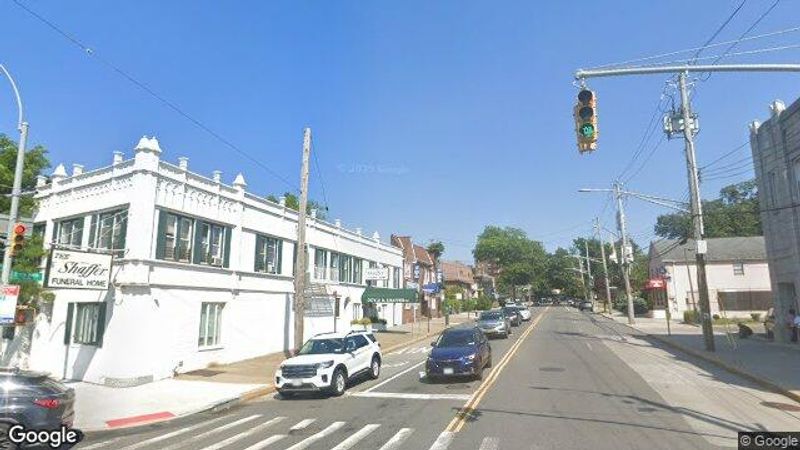
Little Neck sits at the far eastern edge of Queens, bordering Great Neck in Nassau County along the Long Island border. Bounded roughly by Little Neck Bay, Northern Boulevard, and the Long Island Rail Road tracks, it reads more like a suburban enclave than a typical New York City neighborhood, with detached houses and quiet, tree-lined streets.
The area developed in the early 20th century as a commuter suburb for Manhattan-bound professionals, growing rapidly after the LIRR extended service and Northern Boulevard was paved. Its name comes from the narrow inlet of Little Neck Bay, once famous for its clam beds, a detail still referenced in local branding and restaurant names today.
Today Little Neck is known for its strong single-family housing stock, respected public schools, and a large, well-established Asian-American community, particularly Korean and Chinese households. Our team in New York sees consistent interest from overseas buyers drawn to its low-density feel, safety, and proximity to both Queens and Long Island amenities.
The Housing Stock — Buildings, Eras, and Unit Types
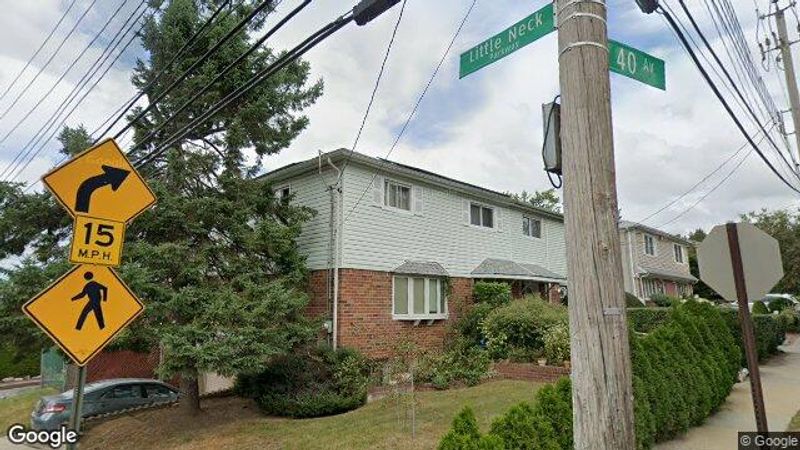
Little Neck is overwhelmingly a neighborhood of detached and semi-detached houses, built primarily between the 1920s and 1960s. Colonial Revival, Cape Cod, and Tudor-style homes dominate streets like Little Neck Parkway, Browvale Lane, and Marathon Parkway, typically on lots ranging from 4,000 to 8,000 square feet with private driveways and garages.
Postwar brick and frame homes fill the blocks north of Northern Boulevard, while larger, updated properties near Alameda Avenue and the Douglaston border command premium pricing. Multi-family housing is limited to scattered small apartment buildings and a handful of co-ops near the LIRR station, making Little Neck an outlier compared to denser Queens neighborhoods like Flushing or Bayside.
Condominium development remains modest, with only a few low-rise buildings offering one- and two-bedroom units, generally built in the 1970s–1990s. Buyers seeking new construction or high-rise living should look toward nearby Bayside or Flushing; Little Neck's appeal lies squarely in its private houses and the stability that comes with a settled, low-turnover residential market.
Prices and Rents — What Things Actually Cost
Little Neck's housing costs reflect its low-density, single-family character, with detached homes commanding prices well above the Queens borough average. Renovated Colonials and Tudors near Little Neck Parkway routinely draw strong demand from families prioritizing school quality, while smaller postwar homes offer relatively more accessible entry points into the market.
Rental stock is limited since most homes are owner-occupied, which keeps the leasing market thin and prices firm. Apartments in the small co-op and condo buildings near the LIRR station are the most common rental option, and single-family homes are occasionally leased whole, typically to relocating families seeking the local school zone.
| Property Type | Typical Size | Purchase Price (USD) | Monthly Rent (USD) |
|---|---|---|---|
| Postwar Cape/Colonial | 1,200–1,800 sq ft | $850,000–$1,150,000 | $3,200–$4,200 |
| Updated single-family home | 1,800–2,800 sq ft | $1,200,000–$1,800,000 | $4,500–$6,500 |
| Co-op 1BR near LIRR | 600–800 sq ft | $220,000–$320,000 | $1,900–$2,500 |
| Condo 2BR | 900–1,200 sq ft | $450,000–$650,000 | $2,600–$3,400 |
| Large Tudor/estate home | 3,000+ sq ft | $1,900,000–$2,800,000 | $7,000–$9,500 |
Approximate Little Neck prices and rents, 2026 (subject to market conditions)
Compared with Manhasset or Great Neck just across the border, Little Neck offers meaningfully lower entry prices for similar suburban character. Our licensed brokerage network advises clients that pricing is highly sensitive to school zoning and lot size, and all figures above should be treated as approximate and subject to seasonal market swings.
Daily Life and Transit — Trains, Groceries, Schools, and Parks
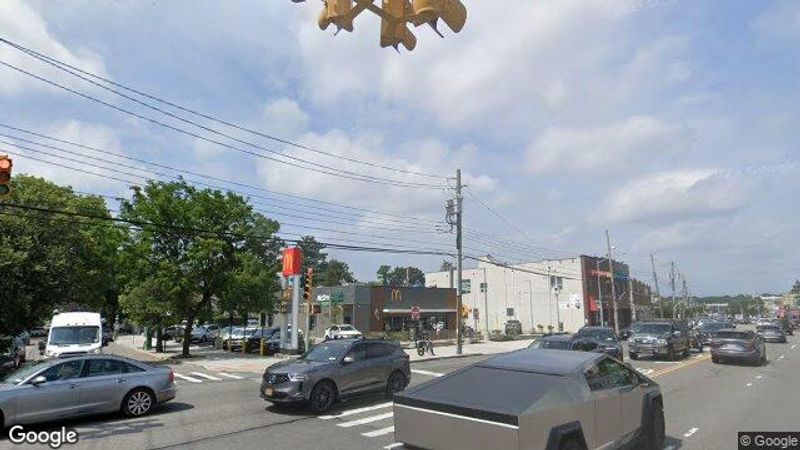
The Little Neck LIRR station on the Port Washington Branch is the neighborhood's transit backbone, delivering commuters to Penn Station in roughly 30–35 minutes and to Grand Central Madison in a similar window. Residents without cars rely heavily on this line, since subway access requires a bus transfer toward Flushing or Bayside.
The Q12 and Q13 buses connect Little Neck to the Flushing–Main Street subway station, where the 7 train continues into Manhattan, though most professional residents favor the LIRR for speed and comfort. Northern Boulevard carries most local retail, with Korean and Chinese supermarkets, bakeries, and restaurants clustered near the station and along Little Neck Parkway.
Families are drawn to zoned schools including PS 94 and Benjamin N. Cardozo High School, both well-regarded within District 26, one of the city's stronger public school districts. Green space is abundant, with Alley Pond Park and the Udalls Cove Preserve offering trails, wetlands, and recreation rarely found elsewhere in Queens.
Final Thoughts
Little Neck suits buyers who want a quiet, house-oriented lifestyle with strong schools, low crime, and easy rail access to Manhattan, without paying Long Island's suburban premiums. Families relocating for education, and investors seeking stable long-term rental demand from that same demographic, tend to find the neighborhood a natural fit.
It is less suited to those wanting nightlife, walkable density, or diverse condo inventory; Little Neck's rental and multi-family markets remain thin, and architectural variety is limited compared to more urban Queens neighborhoods. Buyers seeking high-rise living or rapid appreciation should look toward Long Island City or Flushing instead.
For the right client, Little Neck offers rare stability inside city limits. Our team in New York regularly guides overseas buyers through this micro-market, and we recommend working through our licensed brokerage network to navigate zoning, school-district boundaries, and pricing nuances specific to each street and block.
Reinvent NY provides business consulting, operational support, and coordination services. Real estate services are provided through licensed professionals and applicable brokerage relationships. This article is for informational purposes only and does not constitute legal or investment advice.
Nearby neighbourhoods: Astoria, Bayside, Corona. The full set is indexed under New York neighbourhood guides.

Satoshi Onodera
Founder & CEO, Reinvent NY Inc.
Founded Reinvent NY in 2024. Providing relocation support from all over the world to America.
Ready to Get Started?
Our team in New York is ready to help with your visa, real estate, or relocation needs.
Schedule a ConsultationFrequently Asked Questions
Is Little Neck part of New York City or Long Island?
Little Neck is officially within Queens, New York City, though it borders Nassau County and feels architecturally similar to nearby Long Island suburbs. Residents enjoy city services and NYC school zoning while living in a low-density, suburban-style environment.
What train serves Little Neck?
The Little Neck station on the LIRR Port Washington Branch is the primary transit option, reaching Penn Station and Grand Central Madison in roughly 30–35 minutes. Subway access requires a bus connection toward Flushing or Bayside.
What type of housing dominates Little Neck?
Detached single-family homes dominate, built mostly between the 1920s and 1960s in Colonial, Cape Cod, and Tudor styles. Condominiums and co-ops exist but represent a small share of overall housing stock in the neighborhood.
Are there good schools in Little Neck?
Yes, Little Neck falls within District 26, widely regarded as one of Queens' stronger public school districts. Zoned schools include PS 94 and Benjamin N. Cardozo High School, both popular draws for relocating families.
Is Little Neck a good rental investment neighborhood?
Rental inventory is limited since most properties are owner-occupied single-family homes. Investors typically target the smaller co-op and condo stock near the LIRR station, where demand remains steady but supply is constrained.
How does Little Neck compare price-wise to Great Neck?
Little Neck generally offers lower entry prices than neighboring Great Neck for comparable suburban character and lot sizes. Buyers often use Little Neck as an accessible alternative while still gaining proximity to Long Island's North Shore.
What parks and green spaces are nearby?
Alley Pond Park and the Udalls Cove Preserve are both within or near Little Neck, offering trails, wetlands, and waterfront views along Little Neck Bay. These spaces are a major draw for families and outdoor enthusiasts.
Real Estate Guides & Data
More guides
- Real Estate Scams and Red Flags: The Fraud Field Guide
- Selling a US Property: Timeline, Costs, Net
- Square Footage in NYC: Why the Number Lies
- Timing the NYC Market: Cycles, Seasons, and Honesty
- US Estate Tax for Non-Residents: The $60,000 Exemption
- Vacation Homes Beyond NYC: Hamptons, Hudson, and the Math
Related Articles
Riverdale Bronx Real Estate Guide 2026
An authoritative 2026 guide to Riverdale, Bronx real estate — housing stock, prices, rents, transit, and schools for international buyers and renters.
The Apthorp: A 1908 Courtyard Block, Now Condominium
The Apthorp fills a full city block around a courtyard and converted to condominium. Prewar rooms without a co-op board — what to confirm before buying.
College Point Queens: 2026 Real Estate Guide
A concrete 2026 guide to College Point, Queens — housing stock, prices, rents, transit, and schools for international buyers.
The Beresford: Three Towers Above the Museum
Emery Roth's Beresford stands over the Museum of Natural History with three corner towers. What the building is, and how an overseas buyer should read it.