Buying in a NYC Historic District: The Landmark Rules
Inside a New York historic district the city regulates what an owner may change. The rules govern the outside of the building rather than the rooms in it, and they survive the sale. They are the buyer's problem the day after closing.
Brooklyn Heights was the first neighborhood in the city to be designated, in 1965, and Park Slope followed in 1973. They are used here as the example because between them they show both halves of the trade: what designation restricts, and what it protects.
1. What Landmark Designation Means
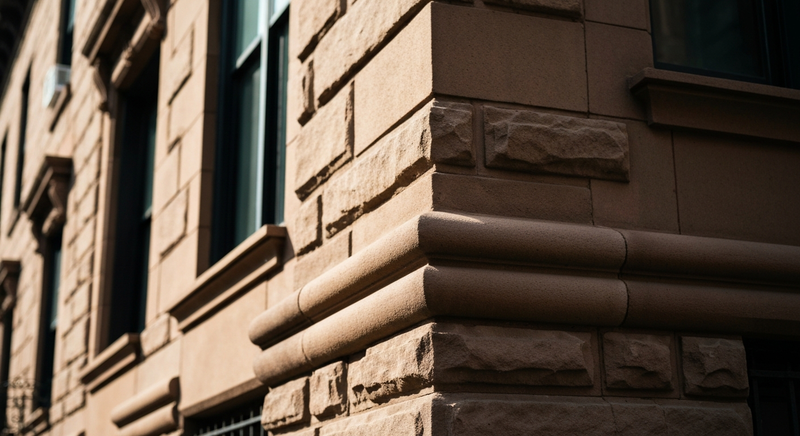
A historic district is regulated by the Landmarks Preservation Commission. Anything visible from the street, including windows, doors, stoops, cornices and facade repair, requires a permit before work starts.
Interiors are generally not regulated, so kitchens and bathrooms are yours. The constraint is the envelope, and it is a real constraint: the wrong window replacement can mean removal and redoing at your cost.
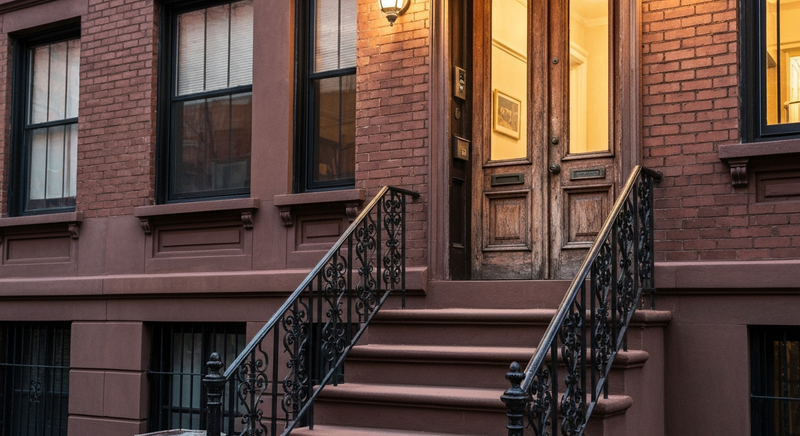
The compensating fact is that designation is why the block still looks like this. It protects the thing you are paying for, from your neighbors as much as from you.
| Item | Brooklyn Heights | Park Slope |
|---|---|---|
| Designated | 1965, the city's first | 1973, extended later |
| Typical stock | Federal and Greek Revival rows | Victorian brownstone |
| Scale | Denser, closer to the harbor | Larger houses, deeper lots |
| Green space | The Promenade, Brooklyn Bridge Park | Prospect Park |
| To Midtown | Roughly 25 minutes | Roughly 35 minutes |
| Common forms | Co-op, condo, whole house | Whole house, two to four family |
The two districts compared. Individual buildings vary; check the designation report for the specific address.
The area is on Google Maps.
2. How the Two Differ
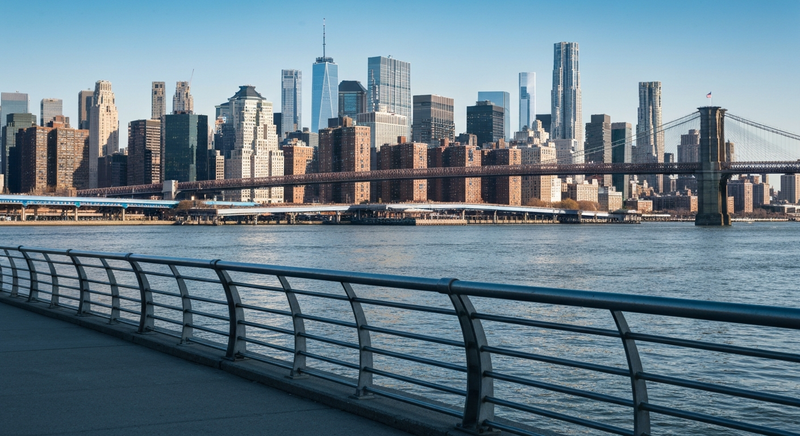
Brooklyn Heights sits on the bluff above the harbor with the Promenade along its western edge and Brooklyn Bridge Park below. It is the shortest trip to Lower Manhattan of any brownstone neighborhood.
Park Slope is larger, greener and built later, with wider houses on deeper lots along the western edge of Prospect Park. The family draw is stronger and the housing stock includes more whole houses.
The practical split is this: the Heights trades on the harbor and the commute, the Slope trades on the park and the house size. Prices reflect both.
Both are landmarked. Neither is a place to plan a facade renovation casually.
3. Whole House Versus Apartment
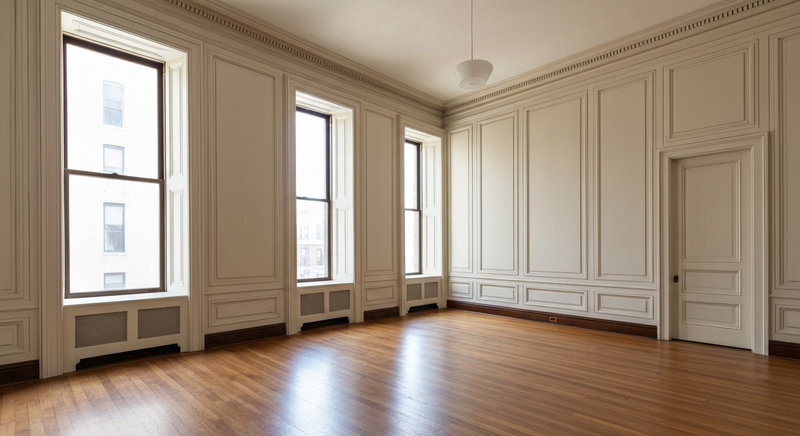
A whole brownstone is a building, not an apartment. The buyer takes on the roof, the boiler, the facade, the sidewalk and, if there are rental units, the obligations of a landlord.
Many houses here are legally two to four family, which changes the tax class, the financing and the rules that apply to the tenants. Confirm the certificate of occupancy and the legal unit count before you rely on rental income.
An apartment in a converted brownstone or a pre-war co-op is the lower-maintenance route, at the cost of the board process, which for an overseas buyer is the harder door.
Establish the legal unit count from the certificate of occupancy, not the listing.
4. What a Foreign Buyer Should Watch
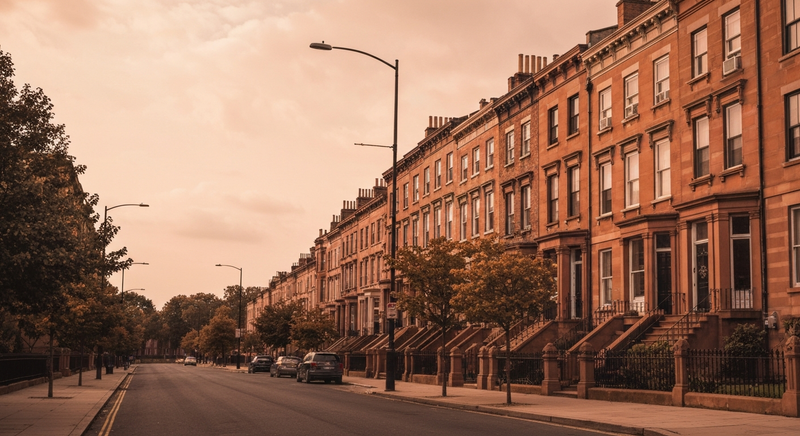
Co-op boards in both districts run the same approval process as Manhattan and decline overseas buyers on the same grounds. A whole house avoids that entirely, which is why it is often the practical answer here.
Buying a house means a full engineer's inspection, not the cosmetic walk-through that suffices for a condominium. Roof, facade, water main, boiler and any existing violations are the report you are paying for.
Landmark permits take time. If your plan depends on changing anything visible from the street, build that timeline into the purchase rather than discovering it after closing.
Our guides on building diligence and on holding structures cover both points.
5. Running the Purchase From Overseas
The order is financing, then inspection, then contract. A foreign national loan against a multi-family house is a narrower product than one against a condominium, and the answer determines the price range that is real.
New York uses attorneys rather than escrow agents. Yours reviews the contract, the title report and, for a house, the certificate of occupancy and open violations. Engage one before you offer.
Purchase through a trust or an LLC is generally straightforward for a house and for a condominium, and generally blocked in a co-op. That single fact shapes most overseas purchases in these two neighborhoods.
We represent buyers here from first viewing through closing.
Figures here describe the building, not any one apartment. Asking prices, monthly carrying costs, tax abatement status and sublet rules are established unit by unit from the offering plan, the most recent financial statement and the managing agent. Real estate services are provided through R New York.
More buying guides: Buying a House in New York State, Rent vs Buy in NYC, Buying a New York Condo as an International Buyer.

Satoshi Onodera
Founder & CEO, Reinvent NY Inc.
Founded Reinvent NY in 2024. Providing relocation support from all over the world to America.
Ready to Get Started?
Our team in New York is ready to help with your visa, real estate, or relocation needs.
Schedule a ConsultationFrequently Asked Questions
Where are Brooklyn Heights and Park Slope?
Both are in western Brooklyn: the Heights above the harbor opposite Lower Manhattan, Park Slope along the western edge of Prospect Park. The area is on [Google Maps](https://maps.google.com/?q=Brooklyn+Heights+Brooklyn+New+York).
What does landmark designation restrict?
Anything visible from the street: windows, doors, stoops, cornices and facade work. A permit is required before work begins. Interiors are generally not regulated.
Can a foreign national buy a whole brownstone?
Yes. A house has no board, which is why it is often the practical route for an overseas buyer. Financing against a multi-family house is the narrower part.
Are these neighborhoods mostly co-op?
There is co-op, condominium and whole-house stock in both. Co-op boards here run the same approval process as Manhattan and decline overseas buyers on the same grounds.
What inspection does a brownstone need?
A full engineer's report covering roof, facade, water main, boiler and open violations, not the cosmetic walk-through used for an apartment.
Does rental income from a two-family count toward financing?
Sometimes, and only where the certificate of occupancy supports the legal unit count. Confirm that document before relying on the income.
How long is the commute to Midtown?
Roughly 25 minutes from Brooklyn Heights and roughly 35 from Park Slope, depending on the line and the block.
Real Estate Guides & Data
More guides
- Borrowing Across Currencies: Debt as an FX Instrument
- The Owner's Document Glossary: Every Paper, Explained
- FIRPTA Withholding: Selling US Property as a Foreign Person
- Gifting US Property: Moving Real Estate Between Family
- Home Inspections in the US: Finds and Misses
- Property Insurance Claims: Getting Paid, Properly
Related Articles
Highest Rental Yield US Cities 2026: Where 9%+ Exists
Cleveland at 14.1%, Baltimore at 11.2%, Toledo at 10.0% — the US cities with the highest gross rental yields in 2026.
Buying NYC Property From Abroad: The Practical Logistics
The mechanics overseas buyers struggle with: moving funds and proving their source, remote signing, documentation, and the sequence that avoids closing delays.
NYC Condo Closing Costs for Buyers: The Full Itemized List
Every closing cost a New York condo buyer pays: mansion tax from one percent, mortgage recording tax, title insurance, and the fees the sponsor passes on.
Florida Domicile: How to Establish It and What It Saves
Establishing Florida domicile properly: the 183-day count, the documents that prove intent, homestead protection.