
Complete Guide
How to Buy Real Estate in the United States
Everything international buyers need to know — from financing and legal requirements to closing day. This guide covers the entire process across all 50 states.
In This Guide
1. Can Foreign Nationals Buy Property in the US?
Yes — there are no restrictions.
The United States is one of the most open real estate markets in the world for foreign buyers. You do not need a green card, a visa, or even a Social Security Number to purchase property. Citizens of any country can buy residential or commercial real estate across all 50 states.
Unlike countries such as Australia, Canada, or New Zealand — which impose restrictions, additional taxes, or outright bans on foreign property ownership — the US treats foreign buyers essentially the same as domestic ones when it comes to purchasing rights.
However, there are important differences in financing availability, tax obligations (especially FIRPTA withholding on future sales), and entity structuring considerations that foreign buyers must understand before making an offer. This guide covers all of them.
2. What You Need Before You Start
Prepare these items before beginning your property search.
Valid Passport
Your passport serves as your primary identification throughout the entire transaction. Make sure it will not expire within the next 12 months.
ITIN (Individual Taxpayer Identification Number)
If you do not have a Social Security Number, you will need an ITIN for tax reporting purposes. You can apply using IRS Form W-7. Processing takes 7–11 weeks, so apply early.
Proof of Funds / Pre-Approval Letter
For cash purchases, you need bank statements showing sufficient funds. For financed purchases, get a pre-approval letter from a lender that works with foreign nationals. This shows sellers you are a serious buyer.
US Bank Account (Recommended)
While not strictly required, having a US bank account makes wire transfers, earnest money deposits, and ongoing property expenses much simpler. Many banks allow non-residents to open accounts in person.
Real Estate Attorney
In many states, having an attorney is standard practice. They review contracts, handle title searches, and represent your interests at closing. Essential for international buyers unfamiliar with US real estate law.
Licensed Real Estate Agent
A buyer's agent represents your interests, finds properties, negotiates on your behalf, and guides you through the process. In most cases, the seller pays the buyer's agent commission — so there is no cost to you.
3. Step-by-Step Buying Process
The standard US real estate transaction follows these six stages.
Define Your Goals & Get Pre-Qualified
- Determine your budget — including closing costs, which typically add 2–5% on top of the purchase price
- Decide on your purpose: primary residence, vacation home, rental investment, or long-term appreciation
- Choose your target market based on factors like job opportunities, rental yields, lifestyle, and proximity to family or business
- If financing, get pre-qualified with a lender. Foreign national mortgage programs typically require 30–50% down payment
- Decide whether to buy in your personal name or through an LLC (see Entity Structuring section below)
Find Your Property
- Work with your agent to receive curated listings that match your criteria
- Tour properties in person or virtually — video tours and 3D walkthroughs are standard in the US market
- Review comparable sales data (comps) to understand fair market value
- Analyze rental potential if buying for investment: gross yield, net yield after expenses, vacancy rates
- Consider HOA fees, property taxes, insurance costs, and maintenance expenses in your financial analysis
Make an Offer & Negotiate
- Your agent prepares a purchase offer with the proposed price, contingencies (inspection, financing, appraisal), and closing timeline
- The seller can accept, reject, or counter your offer — back-and-forth negotiation is normal
- Once both sides agree, you sign a purchase contract and submit an earnest money deposit (typically 1–3% of the purchase price)
- The earnest money is held in escrow and applied toward your down payment at closing
- Common contingencies protect you: if the inspection reveals major issues or financing falls through, you can withdraw and recover your deposit
Due Diligence Period
- Home inspection: A licensed inspector examines the property's structure, roof, plumbing, electrical, HVAC, and foundation. Cost: $300–$600. Duration: 2–4 hours
- Appraisal: If you are financing, the lender orders an independent appraisal to confirm the property's value supports the loan amount
- Title search: A title company examines public records to verify the seller has clear legal ownership and there are no liens or encumbrances
- Review HOA documents: If applicable, review the HOA's financial statements, meeting minutes, rules, and any pending special assessments
- For foreign buyers: begin ITIN application if not already obtained, coordinate international wire transfers (allow 5–10 business days)
Finalize Financing
- Submit all required documentation to your lender: bank statements, tax returns (or foreign equivalent), employment verification, passport copies
- The lender processes underwriting — this is the most time-consuming step, typically 3–6 weeks
- Lock in your interest rate when the lender gives you the option (rate locks typically last 30–60 days)
- Obtain homeowner's insurance — the lender will require proof of insurance before closing
- Review the Closing Disclosure document, which itemizes every fee and cost you will pay at closing
Closing Day
- Final walkthrough: Visit the property one last time (or have your agent do it) to confirm it is in the agreed condition
- Sign closing documents: deed, mortgage note, settlement statement, tax forms. For remote buyers, power of attorney or digital signing is available
- Wire the remaining funds: down payment minus earnest money, plus closing costs
- The title company records the deed with the county, and you officially own the property
- Receive your keys, copies of all documents, and title insurance policy
4. Financing Options for Foreign Buyers
Foreign nationals can obtain mortgages in the US, though the terms differ from those available to US citizens.
Cash Purchase
Foreign National Mortgage
Important Note on Wire Transfers
International wire transfers for real estate purchases are subject to strict anti-money laundering (AML) regulations. Your bank may require documentation explaining the source of funds, and transfers can take 5–10 business days. Plan ahead and initiate transfers well before closing day. Some title companies also require a test wire before the actual transfer.
5. Entity Structuring: Personal Name vs. LLC
How you hold the property affects your liability exposure, privacy, and tax obligations.
| Structure | Liability | Privacy | Tax Treatment | Setup Cost |
|---|---|---|---|---|
| Personal Name | Unlimited personal liability | Public record | Simple — personal tax return | No extra cost |
| Single-Member LLC | Limited to LLC assets | State-dependent | Pass-through to personal return | $500–$2,000 setup |
| Multi-Member LLC | Limited to LLC assets | Better protection | Partnership return required | $1,000–$3,000 setup |
| Foreign Corporation | Corporate shield | High privacy | Complex — corporate + withholding | $3,000–$10,000 setup |
Our Recommendation
For most international buyers purchasing investment property, a single-member LLC offers the best balance of liability protection, simplicity, and cost. However, your specific situation — including your home country's tax treaties with the US — may favor a different structure. We always recommend consulting with a cross-border tax advisor before deciding.
6. Closing Costs Breakdown
Beyond the purchase price, expect to pay 2–5% in closing costs. Here is a typical breakdown.
| Cost Item | Typical Amount | Paid By |
|---|---|---|
| Title Insurance | 0.5–1.0% | Buyer |
| Attorney Fees | $2,000–$5,000 | Buyer |
| Appraisal Fee | $400–$800 | Buyer |
| Home Inspection | $300–$600 | Buyer |
| Recording Fees | $100–$500 | Buyer |
| Escrow Fees | $500–$2,000 | Split |
| Transfer Tax | Varies by state | Seller (usually) |
| Mortgage Origination | 0.5–1.0% | Buyer |
Example: $500,000 Property (Cash Purchase)
7. Tax Obligations for Foreign Owners
Owning US property as a foreign national comes with specific tax requirements.
Property Tax (Annual)
Every property owner pays annual property tax to the local government, typically 0.5–2.5% of the assessed value depending on the state and municipality. Texas and New Jersey have some of the highest rates (around 2%), while Hawaii has one of the lowest (around 0.3%). This is due regardless of your residency status.
Income Tax on Rental Income
If you rent out your property, the rental income is taxable in the US. Foreign owners can choose to be taxed on a net basis (gross rental income minus deductible expenses like mortgage interest, property tax, insurance, maintenance, and depreciation) by filing IRS Form 1040-NR. This usually results in significantly lower tax than the default 30% flat withholding on gross rents.
FIRPTA (When You Sell)
The Foreign Investment in Real Property Tax Act requires the buyer to withhold 15% of the gross sale price when a foreign person sells US real estate. This is not the actual tax — it is a withholding. You file a US tax return after the sale, and if your actual capital gains tax is less than 15%, you receive a refund of the difference. Planning for FIRPTA is essential before listing a property for sale.
Estate Tax
Non-resident aliens are subject to US estate tax on US-situated assets (including real estate) above a $60,000 exemption — far lower than the $13.6 million exemption for US citizens. Estate tax rates can reach 40%. Holding property through certain entity structures can help mitigate this exposure, but requires careful planning with a tax advisor.
8. Timeline: How Long Does It Take?
From first consultation to receiving your keys, the typical timeline is 4–6 months for financed purchases and 2–4 months for cash purchases.
9. Post-Purchase: What Happens Next
Buying the property is just the beginning. Here is what to set up after closing.
Property Management
If you are an absentee owner, hire a property manager to handle tenant screening, rent collection, maintenance, and emergency repairs. Typical cost: 8–12% of monthly rent.
Insurance
Maintain homeowner's insurance (required by lenders) or landlord insurance for rental properties. Consider umbrella liability coverage for additional protection.
Tax Filing
File IRS Form 1040-NR annually if you earn rental income. Even if the property is vacant, some filings may be required. Work with a CPA experienced in non-resident tax.
Maintenance Reserve
Budget 1–2% of the property value annually for maintenance and repairs. Unexpected costs like roof replacement or HVAC failure can be significant.
Recent Transactions 2025–2026
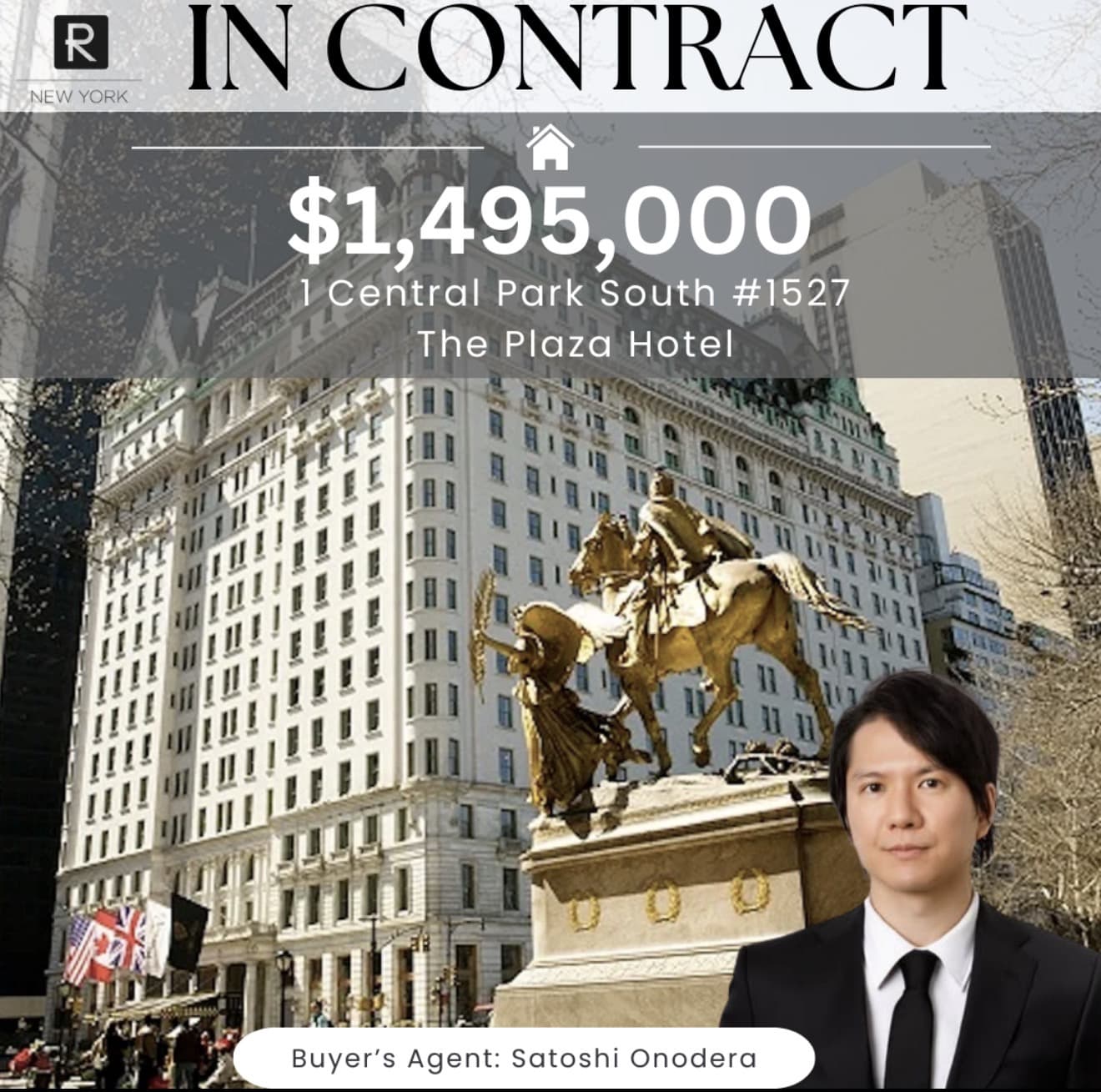
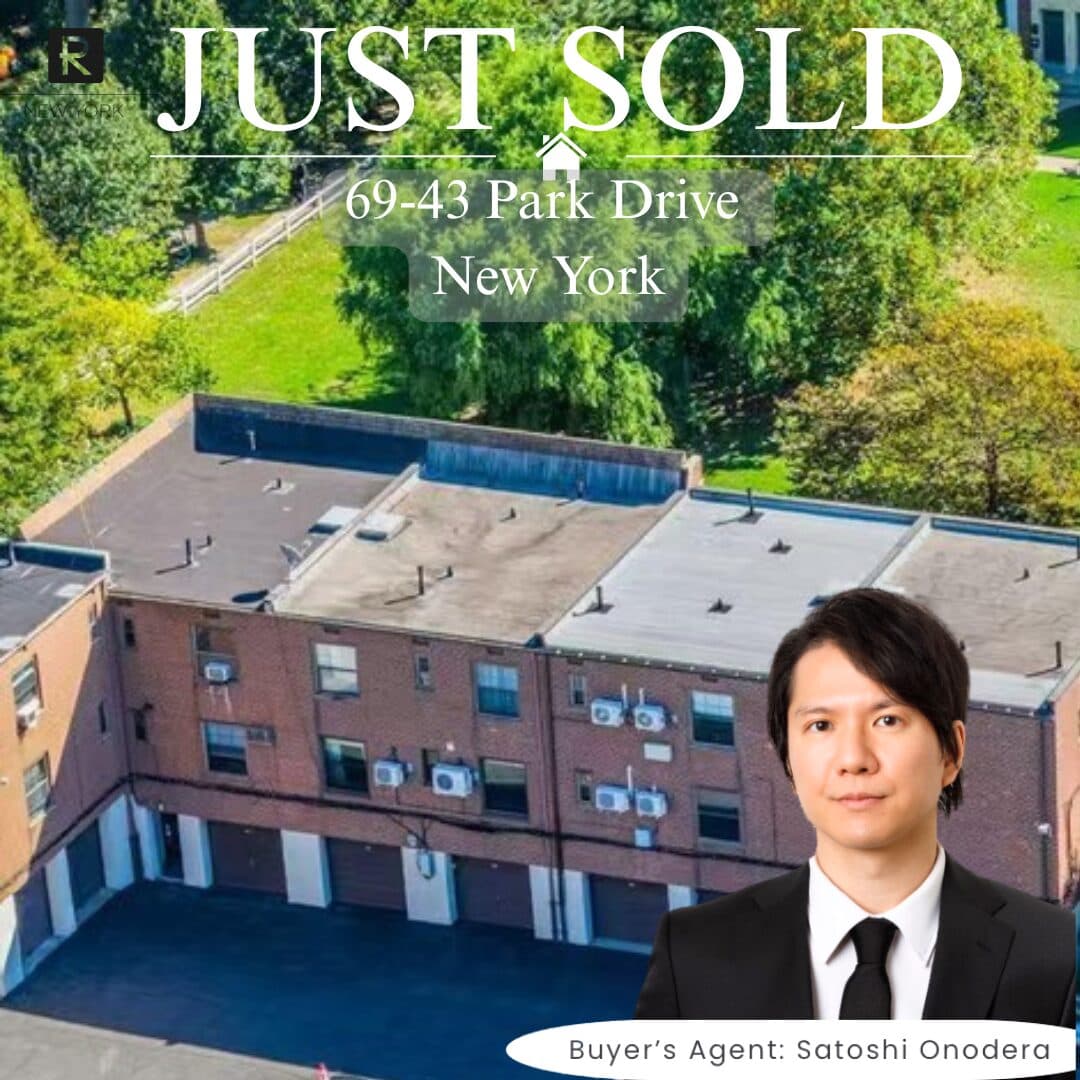
A selection of properties we have helped our clients acquire across the New York metropolitan area and beyond.








Ready to Buy Property in the US?
We guide international buyers through every step — from market selection to closing day. Schedule a free consultation to get started.