
Complete Guide
How to Buy Real Estate in New York City
New York City has its own rules. Co-ops, board approvals, mansion tax, and the most competitive market in the country. This guide covers everything specific to buying property in the five boroughs.
In This Guide
1. Co-op vs. Condo: The NYC Difference
This is the most important distinction in NYC real estate. Roughly 75% of apartments in Manhattan are co-ops, not condos. Understanding the difference is essential before you begin your search.
Cooperative Apartment
When you buy a co-op, you are not buying real property — you are buying shares in a corporation that owns the building. Your shares come with a proprietary lease that gives you the right to occupy a specific unit.
Condominium
When you buy a condo, you own the actual unit as real property, plus a share of the building's common elements. You receive a deed, just like buying a house. Condos offer far more flexibility for international buyers.
For International Buyers
We strongly recommend condos for most foreign buyers. Co-op boards have enormous discretion and can reject applicants for virtually any non-discriminatory reason. Many co-ops explicitly prohibit pied-a-terre use, foreign ownership, or LLC purchases. Condos have none of these restrictions — the board can only exercise a right of first refusal (match your offer), which rarely happens.
2. NYC Neighborhoods: Where to Buy
Each borough and neighborhood has a distinct character, price range, and investment profile.
Manhattan
The global benchmark for luxury real estate. Highest prices per square foot in the US. Strong demand from international buyers, especially for new development condos with amenities. Best for buyers seeking prestige, rental income from corporate tenants, and long-term value appreciation.
Brooklyn
Brooklyn has become one of NYC's most desirable markets. Strong growth trajectory, younger demographic, excellent restaurants and culture. New development condos in DUMBO and Downtown Brooklyn offer modern amenities at lower price points than Manhattan. Great for investment and lifestyle buyers.
Queens
Exceptional value compared to Manhattan and Brooklyn. Long Island City has seen massive condo development with Manhattan skyline views at half the price. Flushing is a major hub for Asian communities. Strong rental yields and growing infrastructure make Queens an increasingly popular choice for investors.
New Jersey Waterfront
Directly across the Hudson River from Manhattan with stunning skyline views. Lower property taxes than NYC, no NYC income tax, and newer condo inventory. 10–15 minute commute to Manhattan via PATH train or ferry. Increasingly popular with international buyers seeking value without sacrificing access.
3. Step-by-Step: The NYC Buying Process
The NYC process differs from the rest of the US in several important ways — especially if buying a co-op.
Assemble Your Team
- Hire a buyer's agent with NYC market expertise — the seller pays the commission in most transactions
- Retain a real estate attorney. Unlike most US states, attorneys handle the contract process in New York — this is not optional
- Get pre-approved for a mortgage (if financing). NYC sellers and co-op boards will not take you seriously without a pre-approval letter
- If you are a foreign buyer, identify a lender that offers foreign national mortgage programs in NYC
Property Search & Tours
- Your agent sends curated listings based on your criteria: budget, neighborhood, co-op vs. condo, size, amenities
- Tour properties in person or via live video walkthroughs. In NYC, open houses are typically held on Sundays
- Review the offering plan (for new developments) or the building's financial statements (for resale). Your attorney should review these
- For co-ops: review the building's house rules, subletting policy, and financial requirements before making an offer
- For condos: review the condo declaration, common charges, and any pending litigation against the building
Make an Offer
- Your agent presents a verbal offer to the seller's agent, along with your financial documentation
- In NYC, offers are not binding until both parties sign a contract — there is a period called 'contract negotiation' that can last 1–2 weeks
- Deals can fall through during this period (known as 'gazumping') if another buyer makes a higher offer before contracts are signed
- Once terms are agreed, your attorney and the seller's attorney negotiate the contract of sale
- You sign the contract and submit a deposit — typically 10% of the purchase price, held in the seller's attorney's escrow account
Due Diligence
- Home inspection (for houses and some condos). In NYC, co-op and condo buyers sometimes skip inspections for competitive advantage — we do not recommend this
- Your attorney conducts a title search and reviews the building's offering plan, financial statements, and meeting minutes
- For co-ops: the building's managing agent will provide the board application package
- Lien search to ensure there are no outstanding claims against the unit or the seller
- For new construction: review the sponsor's offering plan, completion timeline, and any special risks
Board Application (Co-op Only)
- Prepare a comprehensive board package: application form, personal and professional reference letters, financial statements, tax returns, bank statements, employment verification
- Submit the package to the building's managing agent for review
- Wait for the board to schedule an interview — this can take 4–8 weeks
- Attend the board interview with your agent (typically 20–30 minutes). Dress professionally, be polite, and answer questions honestly
- The board votes to approve or reject. They are not required to give a reason for rejection. Rejection rates vary by building — some are notoriously difficult
Closing
- Your attorney coordinates the closing date with the seller's attorney, the title company, and the lender
- Final walkthrough of the property to confirm condition
- At closing, you sign the deed (condo) or stock certificate and proprietary lease (co-op), pay remaining funds, and receive keys
- For remote closings: New York allows power of attorney for real estate transactions, but some co-op boards require you to appear in person
- Recording fees, transfer taxes, and mansion tax are paid at closing
4. The Board Approval Process (Co-ops)
The board application is the most unique — and most stressful — part of buying a co-op in NYC.
What Goes in the Board Package
Board Interview Tips
- 1. Arrive 10 minutes early. Dress business casual
- 2. Bring nothing unless asked — do not hand out additional documents
- 3. Be friendly but concise. Do not volunteer unnecessary information
- 4. Common questions: Why this building? Do you plan to renovate? Who will live in the unit? Do you have pets?
- 5. If asked about finances, refer to what you already submitted in the package
- 6. The interview is as much about personality as finances — they are choosing a neighbor
5. NYC Closing Costs: Full Breakdown
NYC closing costs are among the highest in the country. Buyers should expect 2–6% on top of the purchase price — more if financing.
| Cost Item | Buyer Pays | Seller Pays |
|---|---|---|
| Mansion Tax (purchases $1M+) | 1.0–3.9% | — |
| NYS Transfer Tax | — | 0.4% (or 0.65% over $3M) |
| NYC Transfer Tax | — | 1.0% (or 1.425% over $500K) |
| Title Insurance | 0.4–0.6% | — |
| Attorney Fees | $3,000–$7,000 | $3,000–$5,000 |
| Mortgage Recording Tax | 1.8% (or 1.925% over $500K) | — |
| Co-op Flip Tax (if applicable) | — | 1–3% (varies) |
| Broker Commission | — | 5–6% |
NYC Mansion Tax Scale (Paid by Buyer)
Applies to residential purchases of $1,000,000 or more.
Example: $1,500,000 Condo (Financed, 30% Down)
6. NYC-Specific Taxes
New York City imposes additional taxes beyond federal and state levels.
Property Tax
NYC property tax rates vary by property class. Condos and co-ops (Class 2) are assessed differently from single-family homes (Class 1). Effective rates typically range from 0.8% to 1.2% of market value. Co-op maintenance fees usually include property tax, while condo owners pay it separately.
NYC Income Tax
If you earn rental income from NYC property, you may owe NYC income tax (3.078–3.876%) in addition to federal and New York State income tax. Non-residents who earn income from NYC sources are also subject to NYC tax. This is a significant additional cost compared to buying in New Jersey or other areas.
Pied-a-Terre Tax
NYC has proposed (and may implement) an annual surcharge on non-primary-residence properties valued above $5 million. This would apply to foreign buyers using a property as a vacation home or investment. Stay informed about potential legislation.
Commercial Rent Tax
If you own commercial property in Manhattan south of 96th Street, tenants with annual rent above $250,000 pay a commercial rent tax of 3.9%. This affects investment calculations for commercial properties in prime areas.
7. Financing in NYC
NYC has unique financing considerations, especially for co-ops and foreign buyers.
Co-op Financing Rules
Many co-op boards set maximum loan-to-value ratios — some require 50% down, others 20–25%. Some luxury co-ops are cash-only. Additionally, co-ops often require buyers to maintain 1–2 years of post-closing liquidity (mortgage payments, maintenance, and living expenses in the bank after the purchase). Your agent will know each building's requirements before you make an offer.
Condo Financing
Condos are more flexible. Most lenders offer standard mortgage products for condos, and there are no board-imposed down payment requirements beyond the lender's own criteria. Foreign national programs typically require 30–50% down for NYC condos, with rates 0.5–1.5% higher than standard rates.
Mortgage Recording Tax
This is the single biggest additional cost for financed purchases in NYC. If your mortgage is under $500,000, the tax is 1.8% of the loan amount. If over $500,000 (most NYC purchases), it is 1.925%. On a $1 million mortgage, that is $19,250 — paid at closing by the buyer. In new development purchases, the sponsor sometimes covers this as an incentive.
8. Timeline: How Long in NYC?
NYC transactions typically take longer than the national average due to attorney review, board approvals, and the competitive market.
9. Foreign Buyer Considerations in NYC
NYC welcomes foreign investment, but there are specific factors international buyers must plan for.
Choose Condo Over Co-op
Unless you have a very strong financial profile and a US-based co-signer, focus your search on condos. The co-op board approval process is unpredictable for foreign buyers, and a rejection wastes months of time and effort.
ITIN — Apply Early
You will need an Individual Taxpayer Identification Number (ITIN) for the purchase. Apply using IRS Form W-7 at least 8–12 weeks before you expect to close. Some tax preparers can expedite the process.
Wire Transfer Planning
NYC property prices mean large international wire transfers. Many foreign banks have daily or weekly transfer limits. Start the process early, confirm fees with both banks, and ensure the title company has your wire instructions well in advance.
LLC Purchases in NYC
Buying through an LLC provides privacy and liability protection but adds complexity: you may need to file a NYC LLC publication requirement (cost: $1,500–$2,500), and some lenders do not offer mortgages to LLCs. Co-ops almost universally prohibit LLC ownership.
Property Management
If you will not be living in NYC full-time, set up property management before closing. NYC tenants have strong legal protections, and managing a rental remotely without professional help is extremely difficult. Budget 8–12% of monthly rent for management fees.
Estate Planning
US estate tax applies to foreign nationals with US real estate. The exemption for non-residents is only $60,000 (vs. $13.6 million for US citizens). Consult with a cross-border estate planning attorney to structure your ownership appropriately.
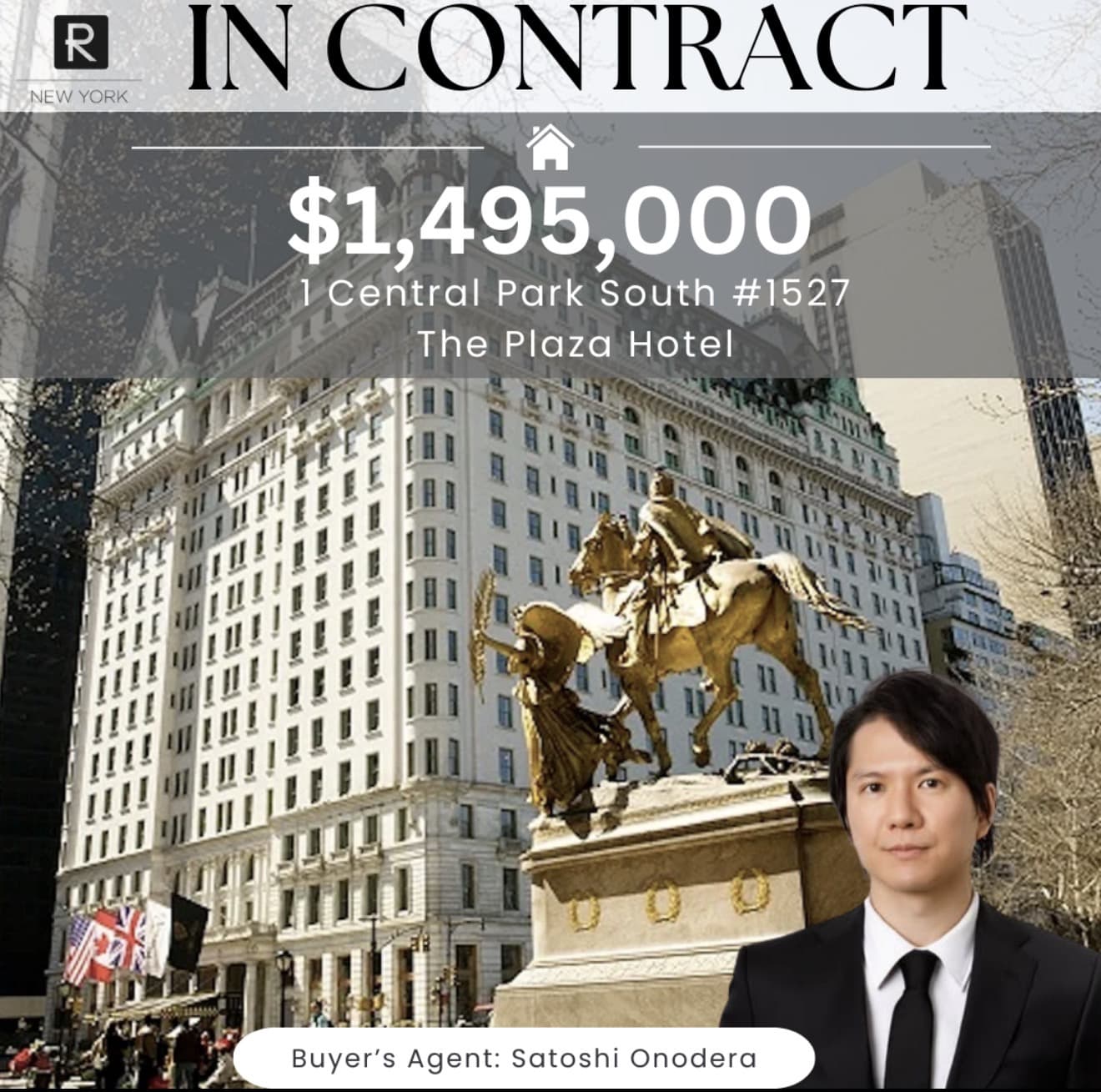
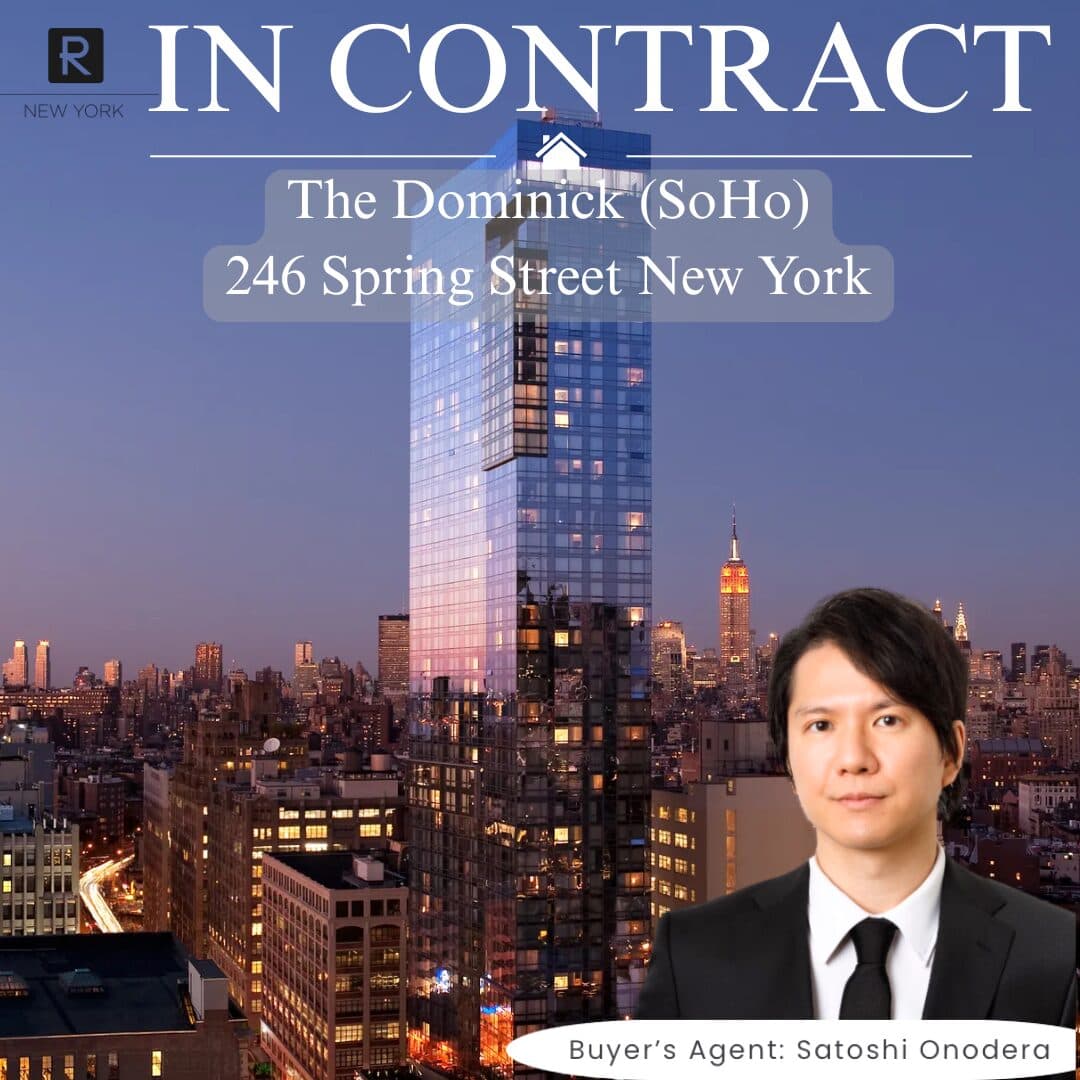
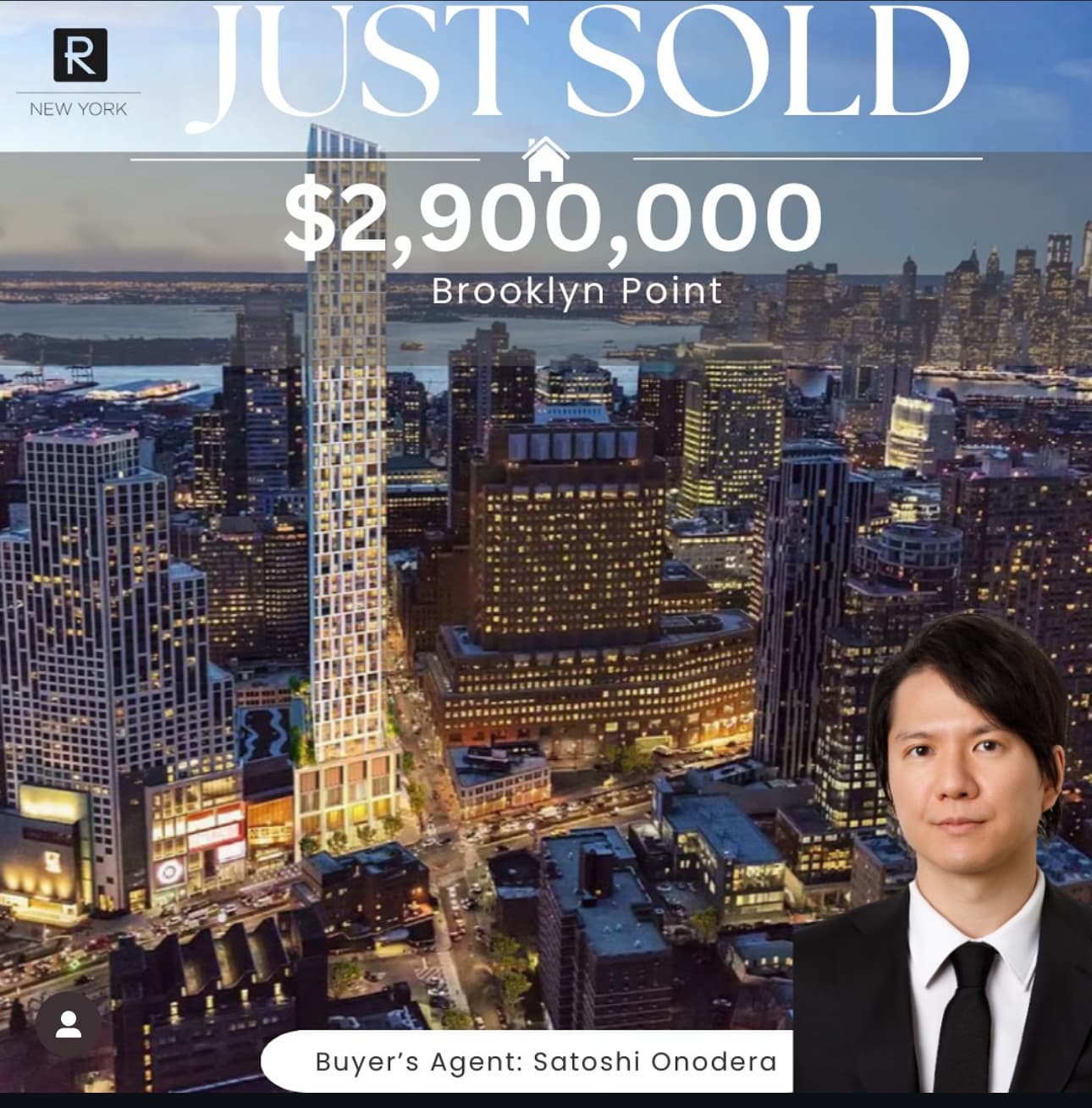
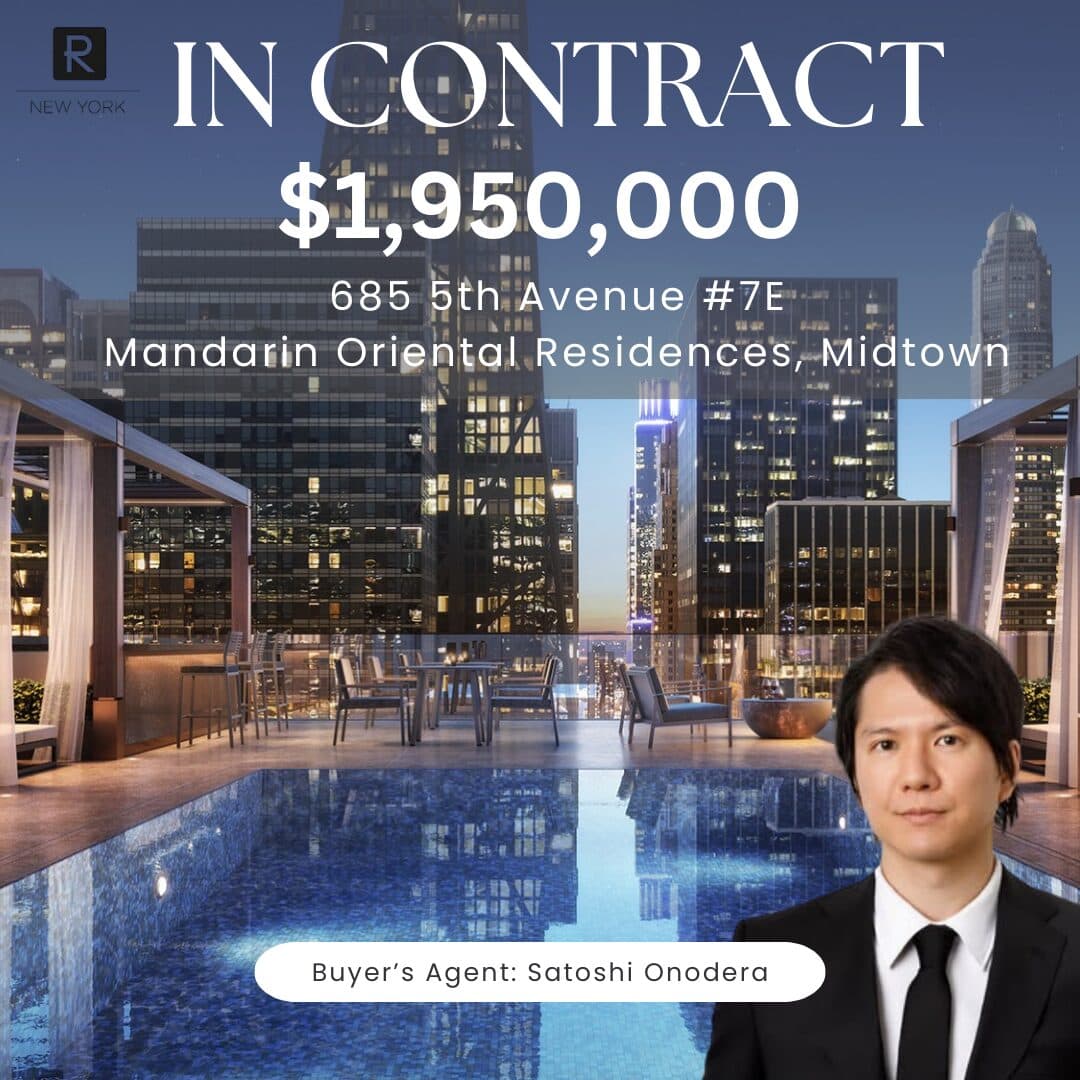
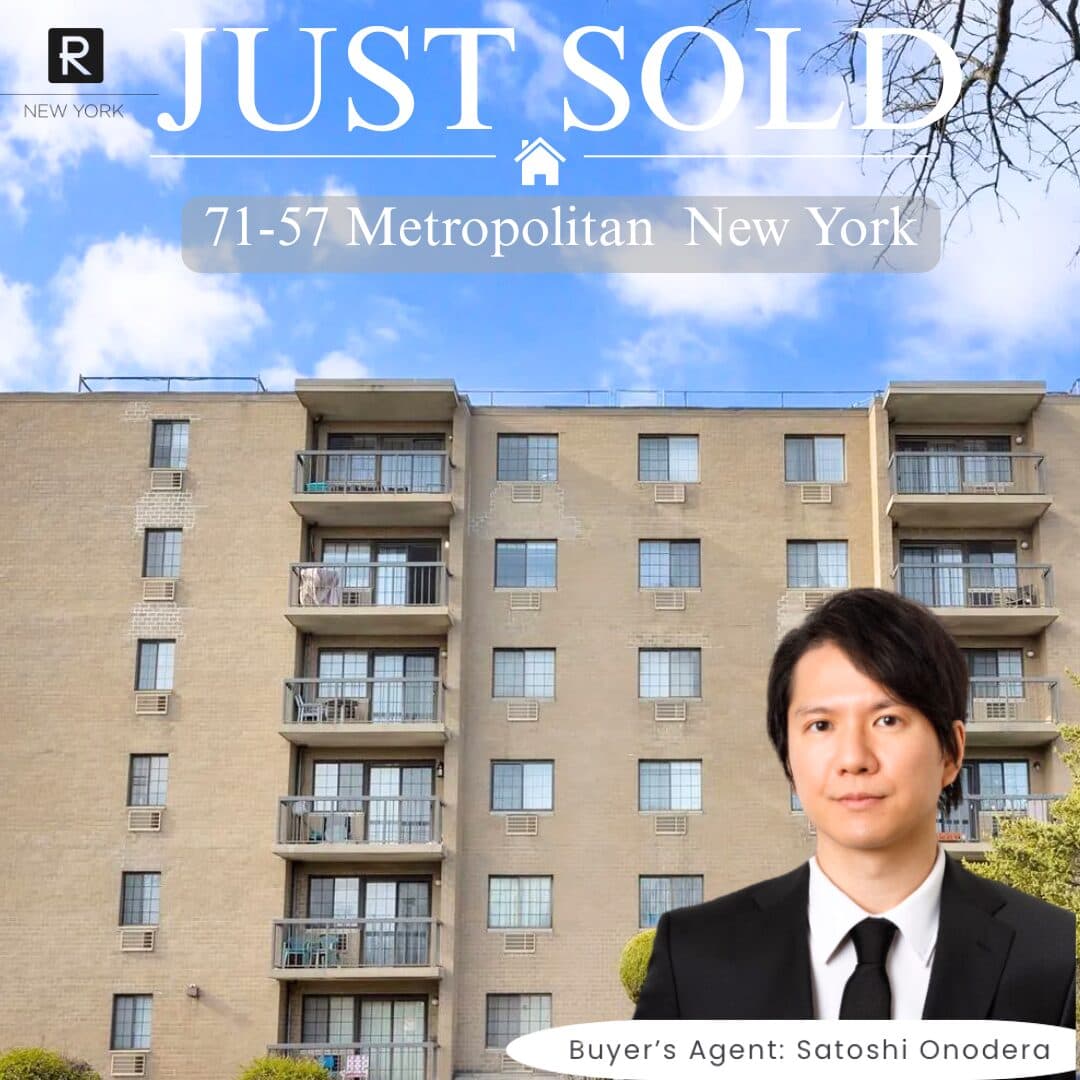
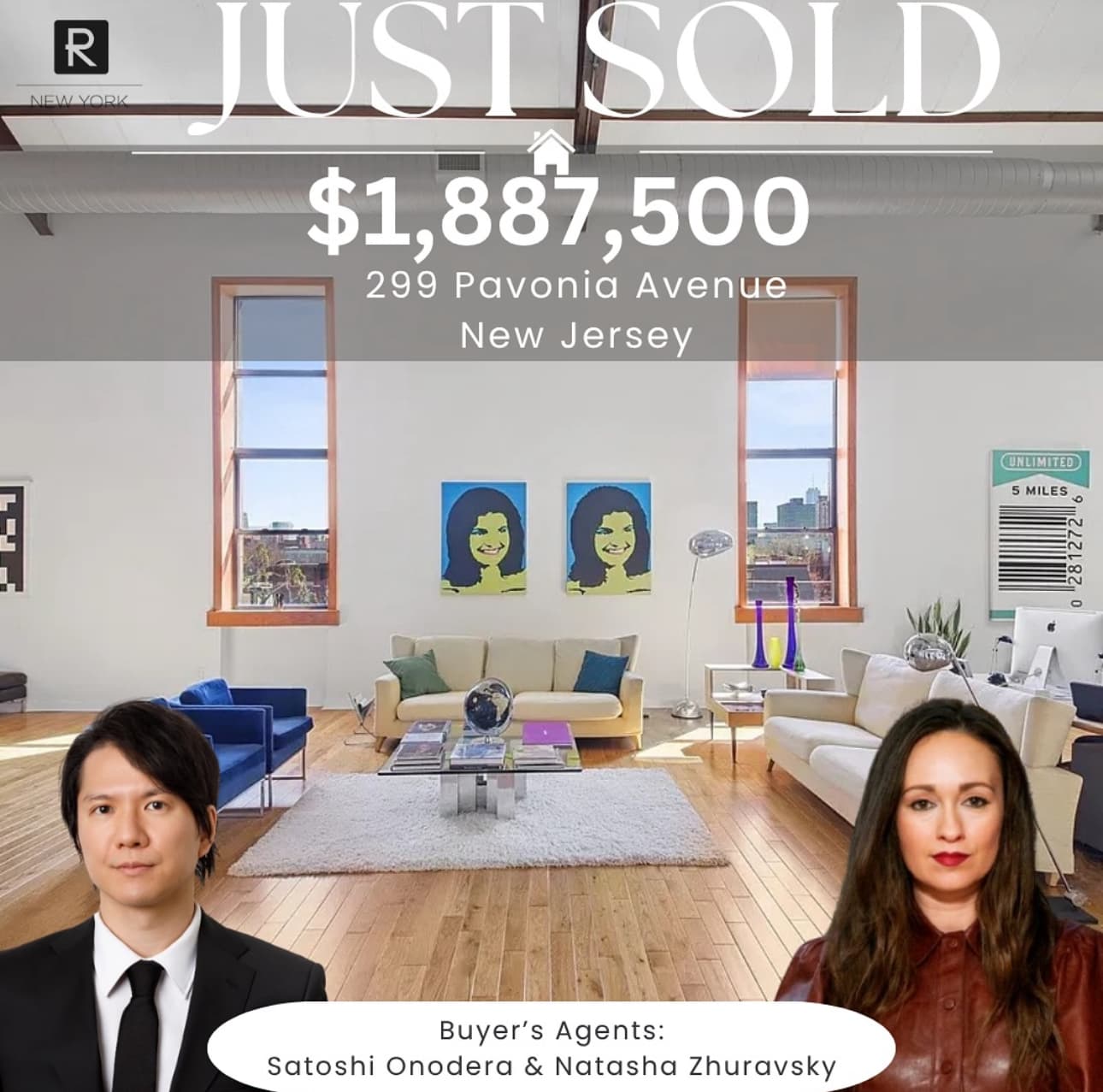
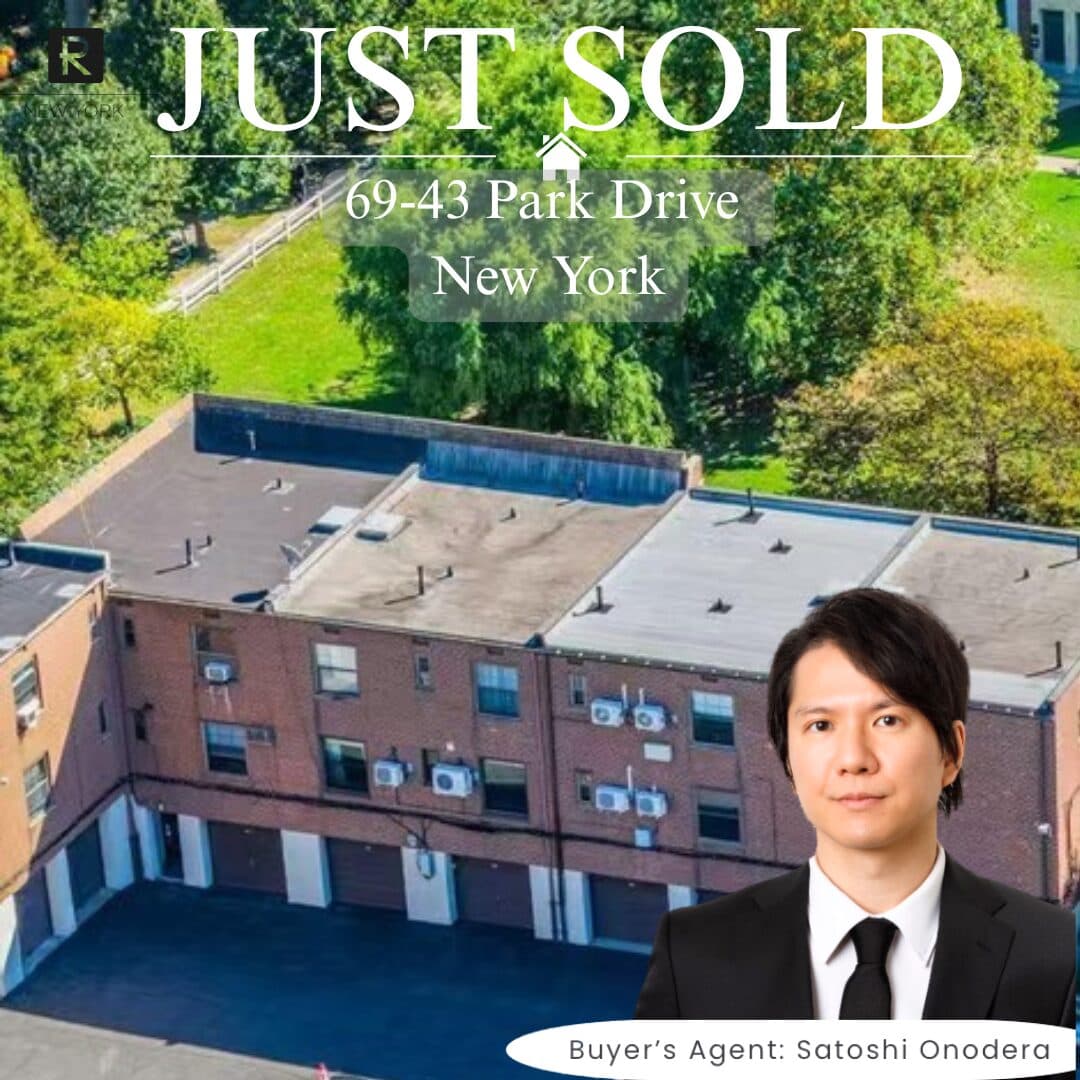
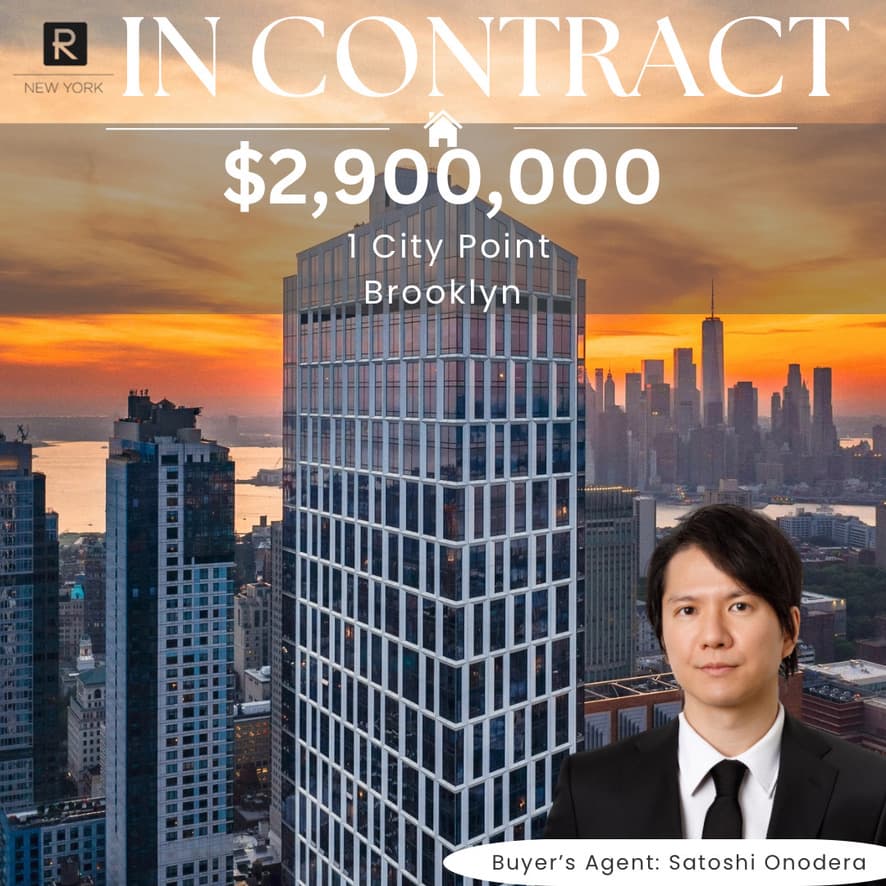
Recent Transactions 2025–2026
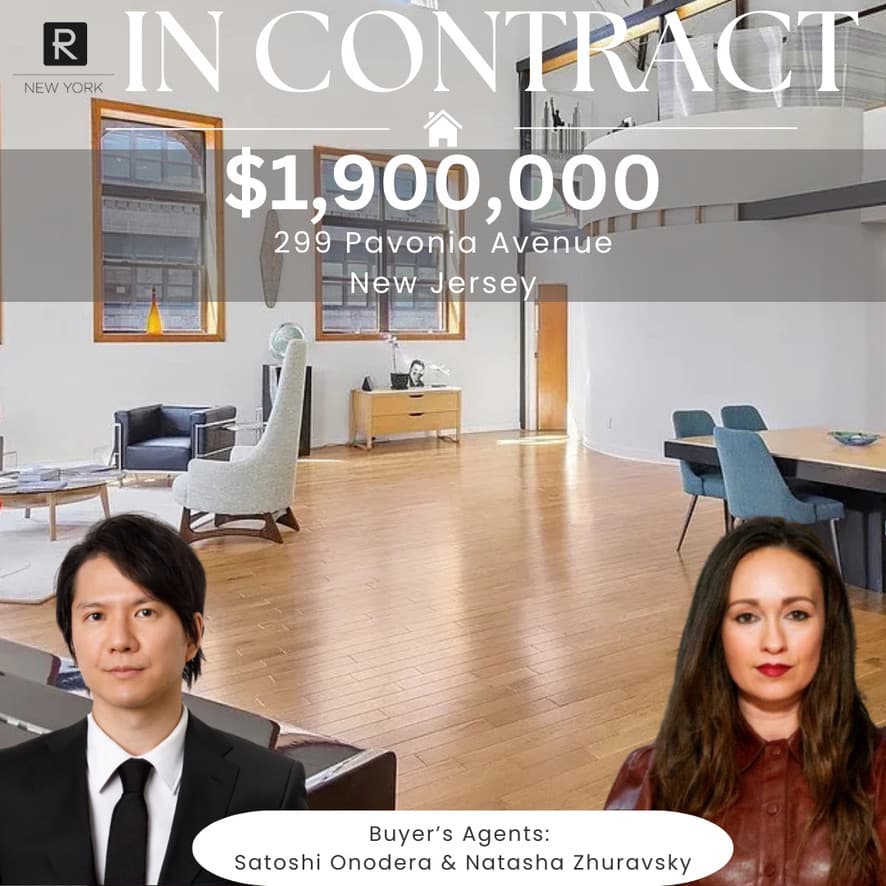
A selection of properties we have helped our clients acquire across the New York metropolitan area and beyond.

Ready to Buy in New York City?
We have helped international buyers from over 20 countries purchase property in NYC. Schedule a free consultation and let us guide you through the process.