NYC School Guide 2026: Top Districts & Admissions Steps
Introduction: Navigating New York City's Educational Landscape

For international entrepreneurs and families relocating to New York City through E-2 visas or other immigration pathways, selecting the right educational environment for children represents one of the most critical decisions in the relocation process. As immigration and real estate experts who have assisted hundreds of families in their transition to New York, we understand that educational choices directly impact both immediate family satisfaction and long-term integration success.
The 2025 educational landscape in New York City offers unprecedented diversity and quality across multiple school categories. Unlike previous decades when international families faced limited options, today's parents can choose from high-performing public schools, prestigious private institutions, globally-recognized international schools, and specialized Japanese educational programs. Each option presents distinct advantages, costs, and alignment with different family goals and immigration timelines.
According to the New York City Department of Education's latest data, over 1.1 million students attend NYC schools, with approximately 15% coming from international backgrounds. This diversity has driven significant improvements in multilingual programs, cultural integration initiatives, and support systems specifically designed for expatriate families.
Public School Excellence: Quality Education at No Cost

New York City's public school system has undergone remarkable transformation, particularly in neighborhoods where international families typically establish residence. The Department of Education's 2024-2025 initiatives have prioritized bilingual education programs and cultural integration support, making public schools increasingly attractive for E-2 visa families.
Top-Performing Public Schools for International Families
Several public schools consistently rank among the nation's best and actively welcome international students. PS 87 on the Upper West Side maintains a 95% graduation rate and offers dual-language programs in Mandarin, Spanish, and starting in 2024, Japanese language support services. PS 290 on the Upper East Side provides similar excellence with specialized ESL programs designed for recently arrived international families.
The admissions process for these high-performing schools typically begins in January for the following academic year. International families should prepare documentation including previous academic records, immunization certificates, and proof of New York residency. Processing times range from 6-8 weeks, making early preparation essential for families planning mid-year relocations.
Financial Advantages and Hidden Costs
Public school tuition remains free for all residents, representing potential savings of $30,000-$60,000 annually compared to private alternatives. However, families should budget for additional expenses including school supplies ($500-$800 annually), extracurricular activities ($1,000-$3,000 per year), and transportation costs if living outside walking distance.
Many public schools also offer after-school programs at minimal cost ($200-$500 per semester), providing working parents with extended childcare while children participate in academic enrichment and cultural activities.
Private School Excellence: Personalized Education with Premium Investment
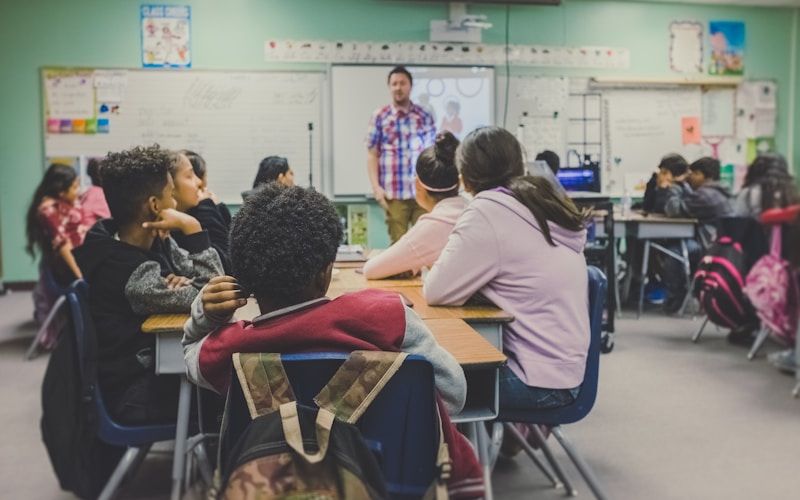
New York City's private school sector offers unparalleled educational quality, with many institutions boasting decades or centuries of academic excellence. For international families with substantial financial resources, private schools provide immediate access to top-tier education without the uncertainty of public school lottery systems.
Elite Private School Options and Admissions
Manhattan's most prestigious private schools, including Dalton School, Horace Mann, and Trinity School, consistently place graduates in Ivy League universities and maintain student-teacher ratios of 8:1 or lower. Annual tuition ranges from $45,000 to $58,000 for elementary grades, increasing to $60,000-$65,000 for high school programs.
The admissions process for elite private schools begins 12-18 months before desired enrollment dates. International families should expect multiple rounds of interviews, standardized testing, and comprehensive application reviews. Acceptance rates at top institutions range from 10-20%, making early application and professional admissions consulting advisable.
Cultural Integration and Support Services
Leading private schools have significantly enhanced their international student support services. Brooklyn Heights' Saint Anne's School launched a comprehensive cultural integration program in 2024, including dedicated counselors for international families, translation services for parent communications, and cultural celebration events throughout the academic year.
Many private schools also provide English language support at no additional cost, helping recent arrivals achieve academic proficiency while maintaining grade-appropriate coursework in other subjects.
International Schools: Global Curriculum for Global Citizens

International schools represent the premium choice for families prioritizing global perspective, multilingual education, and seamless transitions between countries. New York City hosts several world-renowned international institutions that cater specifically to expatriate families and globally-minded local residents.
Premier International School Programs
The United Nations International School (UNIS) stands as New York's flagship international institution, offering education in multiple languages and maintaining direct connections to the global diplomatic community. Annual tuition ranges from $42,000 for elementary students to $54,000 for high school programs, with additional fees for specialized programs and activities.
The Dwight School provides International Baccalaureate programs from elementary through high school, with particular strength in STEM education and Asian cultural programs. Their 2025 initiatives include expanded Mandarin and Japanese language offerings, plus dedicated support for E-2 visa families navigating American educational systems.
Admissions Timeline and Requirements
International school admissions typically follow rolling admission policies, accepting students throughout the academic year as space permits. However, optimal timing for applications occurs between October and February for the following September enrollment. Required documentation includes academic transcripts, language proficiency assessments, and comprehensive family interviews.
Most international schools require English proficiency testing for students over age 8, though support programs exist for developing language skills. Families should budget additional time and resources for potential tutoring or intensive English programs before formal enrollment.
Japanese Educational Options: Maintaining Cultural Connections
For Japanese families or those with strong connections to Japanese culture, specialized educational programs provide opportunities to maintain language skills, cultural knowledge, and potential pathways for future education in Japan.
The Japanese School of New York
Located on the Upper East Side, the Japanese School of New York offers full-day programs following Japanese Ministry of Education guidelines while incorporating American educational elements. The school serves approximately 400 students from elementary through high school levels, with annual tuition ranging from $18,000 to $22,000.
Recent program enhancements include expanded English language instruction, American cultural immersion activities, and partnerships with local New York schools for joint programs and exchanges. These initiatives help students maintain strong Japanese cultural identity while preparing for potential futures in American higher education or professional environments.
Supplementary Japanese Education Programs
For families choosing local or international schools as primary education, numerous supplementary Japanese programs operate throughout New York City. Saturday schools, after-school programs, and summer intensives provide language maintenance and cultural education for $2,000-$5,000 annually.
The Japan Society of New York offers particularly comprehensive programs, including traditional arts instruction, contemporary Japanese culture education, and academic preparation for students considering future study in Japan.
Making the Right Choice: Practical Decision Framework

Selecting the optimal educational path requires careful consideration of family priorities, financial resources, immigration timeline, and individual child needs. Our experience assisting international families suggests several key decision factors that consistently influence long-term satisfaction with educational choices.
Financial Planning and Immigration Considerations
Educational expenses significantly impact family budgets and should align with E-2 visa business investment plans. Private and international schools require $40,000-$65,000 annually per child, substantially affecting family cash flow and business development resources. Public schools, while free, may necessitate residence in more expensive neighborhoods, indirectly increasing housing costs by $500-$1,500 monthly.
Immigration status also influences educational planning. Families with uncertain visa renewal prospects might prioritize schools offering stronger preparation for potential return to home countries, while those pursuing permanent residency benefit from deeper American educational integration.
Timeline Considerations and Planning
Educational transitions require 6-12 months of advance planning for optimal outcomes. Private and international school applications should begin 12-18 months before desired enrollment, while public school research and neighborhood selection should commence during initial housing searches.
Mid-year relocations present additional challenges, as many schools have limited availability after September enrollment periods. Families planning winter or spring arrivals should identify schools with rolling admissions policies and prepare alternative options.
Long-term Educational Pathways
Consider how elementary and middle school choices influence high school options and university preparation. Students planning American university attendance benefit from schools with strong college preparation programs and established relationships with admissions offices. Conversely, families maintaining options for international higher education should prioritize schools offering globally recognized curricula and qualifications.
The educational foundation established during New York residency will influence children's opportunities and perspectives for decades. Investing appropriate time and resources in school selection represents one of the most valuable aspects of successful international relocation.
This article is also available on our Japanese site.
Satoshi Onodera
Founder & CEO, Reinvent NY Inc.
Founded Reinvent NY in 2019. Providing relocation support from all over the world to America.
Buying, renting or expanding to New York?
Our New York team helps international buyers, renters and companies with property and US business expansion.
Talk to our teamRelocation Guides
More guides
- Waterfront Property and Flood Zones: Pricing the Water
- ACRIS and Public Records: Researching Any NYC Property
- Banking for US Property Owners: The Account Architecture
- Reading a Building Before You Buy: Reserves and Minutes
- Buying With a Partner: Titles, Agreements, Exits
- Closing Day in NYC: What Happens at the Table
Related Articles
Short-Term Rentals in NYC: The 30-Day Rule and Airbnb
New York bans most stays under 30 days unless the host lives in the unit. What that means for Airbnb, the legal monthly options, and what furnished stays cost.
US School System Guide 2026: Public, Private & Charter Costs
Compare public, private, charter and homeschool options in the US school system. Essential guide for international families relocating to America.
US Credit Cards for Expats 2026: Build Credit Without SSN
How expats get US credit cards in 2026: ITIN and no-SSN options, secured cards that report to all three bureaus, and the issuers that accept foreign applicants.
How to Rent an Apartment in New York City
How renting in New York works: the 40x income rule, guarantors without US credit, broker fees after the FARE Act, and the documents that win an apartment.