Differences between New York and Tokyo Real Estate Markets (Prices, Values, Regu
Hello everyone.
Thank you for visiting our site and for your interest in New York real estate among other real estate investments around the world.
In this article, I will write about the differences between the New York and Tokyo real estate markets.
We hope you will bear with us until the end.
Introduction
Tokyo and New York are two of the world's economic powerhouses.
While both cities are known as leading financial centers in Asia and North America, respectively, interesting differences exist in their real estate markets.
According to a Real Estate Economic Institute 2023 study, these differences go beyond mere economic factors to the origins of the cities, their cultural backgrounds, and even differences in the legal systems and attitudes toward the living environment in both countries.
Tokyo, while based on urban planning from the Edo period (1603-1867), underwent a major transformation during the period of rapid economic growth after World War II.
New York, on the other hand, has formed its own unique real estate culture based on the influx of immigrants since the 19th century and the economic development brought about by the Industrial Revolution.
According to a historical analysis by the Urban Land Institute, these differences in historical backgrounds have had a significant impact on the contemporary real estate market.
Current State of Prices and Rents
Tokyo real estate prices have been on the rise again in recent years after a prolonged period of adjustment following the collapse of the bubble economy.
According to the latest data from the Tokyo Association of Real Estate Appraisers, the average price of a condominium in central Tokyo has been around 600,000-800,000 yen per square meter.
Especially in premium areas inside the Yamanote Line, it is not uncommon for transactions to be much higher than this.
According to a survey by the Real Estate Information Center, prices for new condominiums in premium residential areas in Minato-ku and Chiyoda-ku are now exceeding 2 million yen per square meter in some cases.
On the other hand, there are still many affordable properties in residential areas within a 30-minute radius of central Tokyo, serving as a catchment area for housing demand.
In the rental market, the monthly price range for a 1LDK apartment in central Tokyo is 80,000-150,000 yen, but this price range varies greatly depending on the location, age of the building, and amenities.
According to the Ministry of Land, Infrastructure, Transport and Tourism's Survey of Real Estate Market Trends, it is particularly noteworthy that demand for properties in the suburbs has gradually increased in recent years due to reforms in work styles and the spread of telework.
Meanwhile, real estate prices in New York City are even more expensive, reflecting the global concentration of wealth.
According to a market analysis by StreetEasy Market Reports, average prices in Manhattan reach $1.5-2 million per square meter, with prime locations not uncommon for properties to exceed $4 million.
According to CoreLogic Property Reports, the wide price differences among New York City neighborhoods are worth noting.
There is a two- to three-fold difference in price for the same square footage between upscale residential neighborhoods on Manhattan's Upper East Side and Tribeca, and residential neighborhoods in Brooklyn and Queens.
This price difference is formed by a complex interplay of various factors, including the characteristics of each neighborhood, historical background, transportation access, and security conditions.
Differences in Real Estate Value Perceptions
Values in the Tokyo real estate market have unique characteristics even when viewed from a global perspective.
According to a study by the Architectural Institute of Japan, many buildings are considered for rebuilding after about 30 years, and the value of existing properties tends to decline significantly from the time of new construction.
Behind this lies a consumer mentality unique to Japan, known as "new construction supremacy.
This preference for new construction is reflected in Statistics from the Ministry of Land, Infrastructure, Transport and Tourism, which show that approximately 70% of Japanese homebuyers choose new construction.
This trend can be attributed to improvements in earthquake resistance and energy-saving technology, as well as the Japanese' unique preference for cleanliness.
Another factor is the immaturity of the renovation market, which is also contributing to the decline in the value of existing properties.
With regard to depreciation of real estate, it is a common belief in Japan that the value of a building will be reduced to almost zero in 20-25 years.
This view is also reflected in the taxation system, and is one of the factors hindering the promotion of the distribution of existing properties.
On the other hand, the historic value of buildings is an important valuation factor in the New York real estate market.
Brick Underground reports that 19th century brownstone buildings and Art Deco style pre-war apartments are often priced above new construction due to their historic value.The rental market is characterized by
Characteristics of the Rental Market
Tokyo's rental market is characterized by unique business practices and systems.
According to a survey by The National Rental Housing News, the key money and deposit system was established during the postwar housing shortage and remains a standard element of rental contracts today.
A security deposit is usually set at 1-2 months of the monthly rent and is applied to the cost of restoring the property to its original condition or unpaid rent when the tenant vacates.
Key money is paid at the time of signing the lease as an expression of gratitude to the lessor, equivalent to 1-2 months of the monthly rent.
According to an analysis by the Tokyo Metropolitan Government Bureau of Urban Development, this system is sometimes identified as a financial barrier to accessing housing, especially by younger people.
In addition, the guarantor system plays an important role in rental contracts in Japan.
In recent years, the use of a guarantor company has become common, but this too requires a guarantee fee of about 0.5-1.5% of the monthly rent, which is a burden on the renter.
In the New York rental market, on the other hand, credit scores are an important factor in determining the availability of a contract.
According to the real estate section of The New York Times Real Estate, many rental properties require a credit score of at least 650, with lower scores requiring several months' rent in advance or a higher securitydeposits are required.
Regulations and Market Characteristics
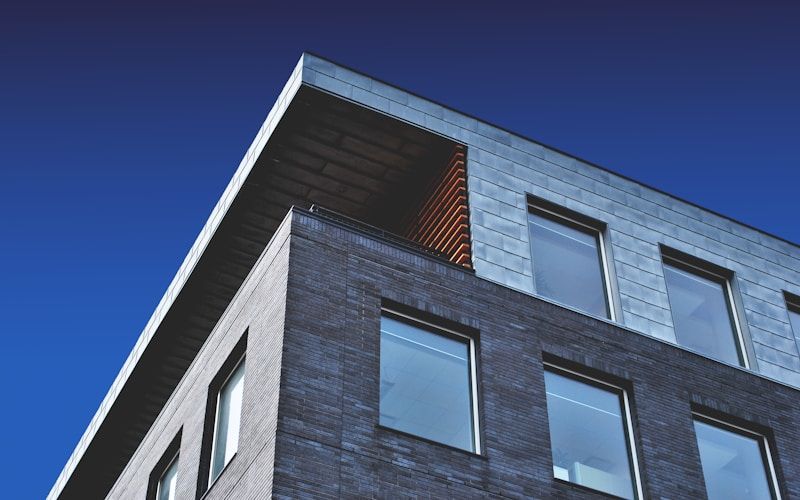
Tokyo's real estate market is regulated by strict building codes and seismic codes under the Building Standards Law of the Ministry of Land, Infrastructure, Transport and Tourism.
In particular, since the enforcement of the new seismic resistance standards in 1981, the seismic performance of Japanese buildings has remained among the highest in the world.
These regulations reflect the geographical characteristics of Japan, an earthquake-prone country, and play an important role in ensuring building safety.
In terms of urban planning, regulations on floor-area ratio and building-to-land ratio are important elements that shape the urban landscape and residential environment.
According to the Department of Building Guidance, Bureau of Urban Development, Tokyo Metropolitan Government, for example, the maximum floor-area ratio of 400% to 1300% is allowed in commercial districts, while it is limited to 100% or less in Type 1 low-rise residential districts.
In New York City, on the other hand, the NYC Department of City Planning zoning law is the basis of city planning.
Enacted in 1916, the law is known as the world's first comprehensive set of zoning regulations, which specify building heights, uses, floor-area ratios, and other details.
Differences in Investment Value
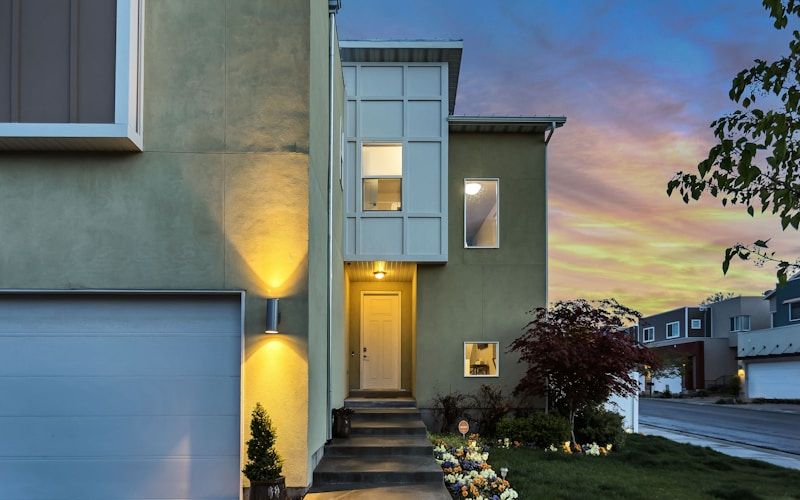
The Tokyo real estate investment market is characterized by stable yields of around 2-4%, according to data from Japan Real Estate Institute.
These relatively low yields reflect Japan's low interest rate policy and the stability of the real estate market.
The New York real estate investment market, on the other hand, can expect higher yields of 4-6%, according to an analysis by the Real Estate Board of New York.
According to the Cushman & Wakefield report, these higher yields reflect the high liquidity of the market and expectations of rising prices.
Conclusion
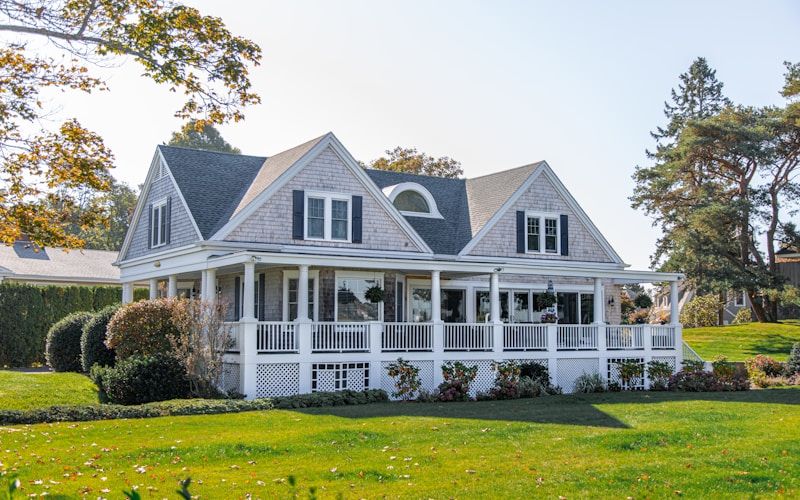
The real estate markets of Tokyo and New York strongly reflect the culture, history, and legal systems of each city.
According to an analysis by the Global Property Guide, the real estate markets of the two cities have begun to show some similarities as globalization progresses, but differences in basic characteristics remain significant.
Looking ahead, the OECD Urban Policy Review notes that the structure of real estate markets in both cities may gradually change due to demographic shifts and technological advances.
In particular, increased demand for environmentally friendly construction and the transformation of real estate transactions through digitalization are expected to have a significant impact on future market trends.
References and Market Data Sources
Ministry of Land, Infrastructure, Transport and Tourism Real Estate Market Trends Survey
Housing Policy Division, Tokyo Metropolitan Government Bureau of Urban Development
Real Estate Board of New York Market Reports
NYC Department of City Planning
Urban Land Institute Global Market Research
Thank you for taking the time to read this article.
New York was the center of the world 100 years ago, is still the center of the world today, and will remain so 100 years from now.We hope you understand that investing in real estate in such New York City has the potential to bring great value.
Our company, Reinvent NY Inc, continues to support individuals and companies entering or moving to the US starting in 2019, offering comprehensive services to support all aspects of US real estate.
We would be happy to discuss your needs with you once you contact us using the form below.
If you are considering immigrating to the U.S., or have a small investment amount, or have no track record or history in the U.S., please contact us with any questions you may have.We promise to provide you with a friendly and sincere service.More details are below.
Support Services for Immigrant and Investor Visas (E2 Visa) to the United States
Unparalleled results and 100% passage in obtaining U.S. immigration and E2 visas since 2019.Paid assistance to dozens of corporations and individuals, over 250 cases.Assistance from limited budget to acquisition in a reliable manner.We can help you acquire a business for less than the cost of acquiring a local company, and with less than the cost of acquiring a local company with your own capital.We provide consulting, business planning, and comprehensive support for immigration to the U.S., including spouses and children.
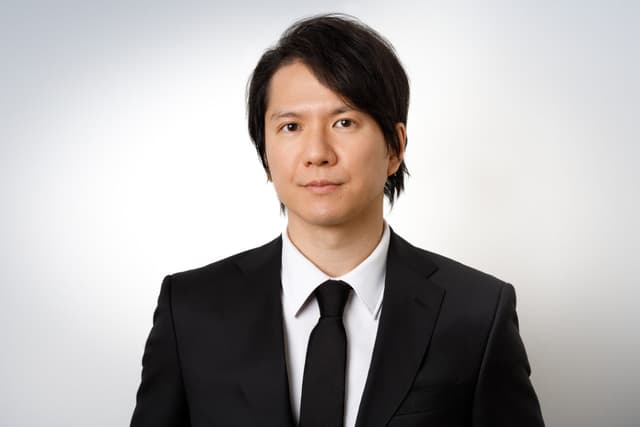
Satoshi Onodera
Founder & CEO, Reinvent NY Inc.
In 2019, Satoshi left his career at NTT Data and Mercari, self-funded an E-2 investor visa, and relocated to New York to start Reinvent NY. Today, the company serves over 100 clients from 20+ countries with E-2 visa consulting, real estate, and relocation support. Satoshi holds a New York State Real Estate License.
Ready to Get Started?
Whether you need help with visas, real estate, relocation, or business setup — schedule a consultation with our team.
Schedule a Consultation