Escrow in US Real Estate: How the Process Works
The Strategic Imperative of Escrow in High-Value Real Estate Transactions

In the complex landscape of luxury real estate, the escrow process serves as the foundational mechanism ensuring transactional integrity for high-net-worth individuals. We observe that for executives managing portfolios exceeding $10 million, this third-party holding system is not merely a procedural formality but a critical risk mitigation strategy. By neutralizing the inherent asymmetry between buyers and sellers, escrow agents safeguard millions of dollars in earnest money deposits against premature disbursement or fraud.
For sophisticated investors, the stakes are significantly higher than for residential buyers, necessitating a rigorous understanding of how these funds are managed. We emphasize that a robust escrow framework protects against title defects, ensuring that the transfer of ownership occurs only when all contractual contingencies are strictly satisfied.
Navigating Regulatory Requirements and Documentation Protocols

The operational framework of real estate escrow is governed by a intricate web of state-specific statutes and federal regulations designed to protect all parties involved. In jurisdictions like California, the Department of Real Estate mandates that escrow holders maintain strict fiduciary duties, often requiring specific bonding levels exceeding $500,000 to cover potential liabilities. We advise our clients to verify that their chosen escrow company is fully licensed under the Financial Code, ensuring compliance with anti-money laundering protocols established by the Bank Secrecy Act.
Documentation within the escrow phase must be flawless to prevent costly delays that can erode the value of time-sensitive investments. The purchase agreement serves as the primary instruction set, detailing specific conditions such as inspection deadlines and financing approval windows. For international investors, additional layers of compliance, including Foreign Investment in Real Property Tax Act (FIRPTA) withholdings, are often integrated directly into the escrow instructions to ensure federal tax obligations are met prior to closing.
| Component | Standard Residential Requirement | High-Net-Worth Executive Requirement |
| Escrow Fee | Typically 0.5% to 1.0% of purchase price | Often negotiated flat fee or tiered structure |
| Title Search | Standard 10-year search | Extended 20-year search with full lien analysis |
| Funds Verification | Standard bank statements | Wire confirmation with source of funds documentation |
| Closing Timeline | 30 to 45 days | Accelerated 14-day or extended 60-day options |
| Insurance Coverage | Standard 1-year policy | Extended coverage with specific endorsement riders |
The comparison above highlights the distinct operational divergences required when transacting at the executive level. While standard residential transactions prioritize speed and simplicity, our clients demand enhanced due diligence and customized reporting structures. We find that the additional costs associated with extended title searches and specialized insurance endorsements are negligible compared to the protection they afford against latent liens or undisclosed easements that could jeopardize a multi-million dollar asset acquisition.
Financial Mechanics, Timelines, and Cost Allocation

Understanding the financial mechanics of the escrow account is essential for executives who require precise cash flow management during the closing period. Typically, the buyer deposits earnest money, often ranging from 1% to 5% of the total purchase price, into the escrow account within three business days of contract acceptance. This sum acts as a good-faith guarantee, and its handling is strictly regulated; if the deal collapses due to a failed contingency, the funds are returned, whereas a buyer's default may result in forfeiture to the seller.
The timeline for these transactions is frequently compressed for wealthy buyers seeking to capitalize on market volatility or secure prime assets before competitors. While the national average closing time is 39 days, we frequently facilitate expedited closings within 14 to 21 days for cash buyers with pre-approved financing. This acceleration requires a highly coordinated effort between attorneys, lenders, and the escrow officer to ensure that all title examinations and funding wires are synchronized perfectly to avoid costly extension fees.
Cost allocation within the escrow process varies significantly by region and negotiation leverage, but it generally includes the escrow fee, title insurance premiums, and recording charges. In the New York metropolitan area, these closing costs can total between 1.5% and 2.5% of the property value, amounting to substantial sums for a $5 million property. We recommend that our clients budget an additional 0.5% for potential prorated taxes and utility adjustments, ensuring that the final wire transfer covers all outstanding obligations without requiring last-minute funding scrambles.
Strategic Considerations and Comparative Analysis of Escrow Models

When selecting an escrow provider, executives must weigh the trade-offs between attorney-led closings and title company-led closings, as the choice impacts both control and cost. In states like New York and Massachusetts, an attorney is legally required to manage the closing, providing a higher degree of legal oversight but potentially increasing fees by 15% to 20%. Conversely, in title-company states like Florida or Texas, the process is often faster and more standardized, though it may offer less flexibility for negotiating complex contingency clauses or unique ownership structures.
For international acquisitions, the strategic advantage often lies in utilizing a multi-jurisdictional escrow service capable of handling cross-border currency fluctuations and compliance variances. We have observed that standard domestic escrow firms often lack the infrastructure to manage wire transfer sanctions or foreign exchange risks, leading to delays that can trigger default clauses in the purchase agreement. Engaging a specialized firm with global reach ensures that funds are converted and transferred in accordance with international banking standards, preserving the integrity of the deal.
Furthermore, the choice of escrow agent can influence the negotiation leverage available to the buyer during the final inspection period. A proactive escrow officer can facilitate rapid document exchanges and conditional funding releases, allowing the buyer to address minor repair issues without derailing the entire transaction. In contrast, a passive approach may result in rigid adherence to timelines that prevent necessary remediation, forcing the buyer to walk away from a potentially lucrative investment. We advocate for selecting partners who view themselves as strategic advisors rather than mere administrative processors.
Conclusion

The escrow process remains the linchpin of secure and efficient high-value real estate transactions, providing the necessary infrastructure for trust in an environment of significant financial risk. For the modern executive, mastering the nuances of this process is not optional but a fundamental component of successful wealth preservation and asset acquisition. By leveraging specialized escrow services that understand the complexities of multi-million dollar deals, investors can navigate regulatory hurdles and close transactions with confidence and precision.
We encourage our clients to view the escrow phase not as a bureaucratic hurdle, but as a strategic opportunity to validate asset quality and ensure title perfection. The discipline required to manage these funds and documents effectively mirrors the rigor applied to corporate M&A activities, reinforcing the parallel between personal and professional investment strategies. As the real estate market continues to evolve, maintaining a robust escrow protocol will remain the most effective defense against fraud and operational failure.
This article is for informational purposes only and does not constitute legal or financial advice. Please consult with a licensed professional for guidance specific to your situation.
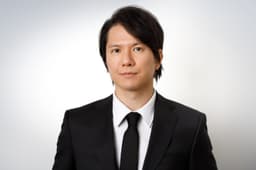
Satoshi Onodera
Founder & CEO, Reinvent NY Inc.
Founded Reinvent NY in 2019. Providing relocation support from all over the world to America.
Ready to Get Started?
Our team in New York is ready to help with your visa, real estate, or relocation needs.
Schedule a ConsultationFrequently Asked Questions
How much does escrow typically cost for a luxury property?
Escrow fees for luxury properties generally range from 0.5% to 1.5% of the total purchase price, though flat fees may apply for transactions exceeding $10 million.
Can I change the escrow company after signing the contract?
Changing the escrow company is possible but requires mutual consent from both the buyer and seller, often necessitating a formal amendment to the purchase agreement.
What happens to my earnest money if the deal falls through?
If the deal fails due to a valid contingency, your earnest money is refunded; however, if you default without cause, the seller may retain these funds.
How long does the escrow process usually take?
While standard closings take 30 to 45 days, luxury cash transactions can often close in as little as 14 days if all documentation and funding are prepared in advance.
Is an attorney required to oversee the escrow process?
Attorney oversight is mandatory in states like New York and Massachusetts, while other states utilize title companies, though legal counsel is always recommended for complex deals.
Business & Investment Guides
More guides
- Depreciation on a US Rental: The 27.5 Years
- Renting to Students in NYC: Guarantors and Group Leases
- Mortgages for Foreign Nationals: US Property Financing
- Common Charges vs Maintenance: What Monthlies Contain
- Buying in Manufactured Districts: Hudson Yards Logic
- Marketing an Apartment: The Listing's Craft
Related Articles
Start US Business 2026: LLC vs C-Corp Guide for Foreigners
Compare LLC and C-Corp structures, select the best state, and learn incorporation steps. A complete guide for international entrepreneurs starting in 2026.
Private Aviation for International Entrepreneurs
Reinvent NY, Inc. has recently entered into a strategic partnership with Amalfi Jets Inc. of California, USA, to provide private jet services.
Title Insurance in the USA 2026: What It Covers & Costs
Protect US property deals from liens and fraud with title insurance. Learn coverage details essential for international investors closing in 2026.
Estate Planning for US Real Estate: 2026 Essentials
Protect your primary asset class from tax risks and probate delays. Learn how high-net-worth investors structure holdings to preserve wealth.