Green Card Cost: Complete Breakdown of Fees and Expenses
USCIS Filing Fees for Each Green Card Category
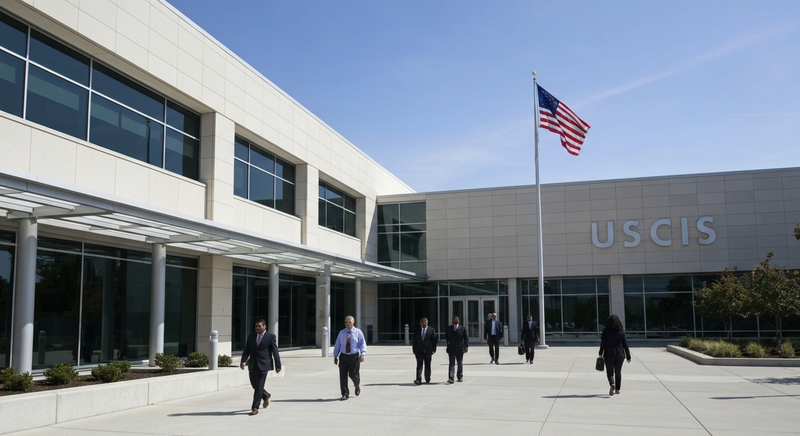
The single largest government expense in any green card application is the USCIS filing fee. As of 2026, these fees vary dramatically depending on the category you apply under. Understanding these costs upfront is essential for budgeting your immigration journey accurately.
Family-Based Green Card Fees
For family-sponsored applicants, the primary form is the I-130 (Petition for Alien Relative), which costs $535. If you are adjusting status within the United States, you will also file Form I-485 (Application to Register Permanent Residence), currently priced at $1,440 for applicants aged 14 to 78. This fee includes biometrics. Applicants filing from abroad pay a $325 immigrant visa processing fee to the Department of State, plus a $220 USCIS Immigrant Fee upon arrival.
Employment-Based Green Card Fees
Employment-based categories (EB-1, EB-2, EB-3) require the employer to file Form I-140 (Immigrant Petition for Alien Workers) at a cost of $700. Premium processing via Form I-907 adds $2,965 for a 15-business-day adjudication guarantee. The I-485 adjustment of status fee remains $1,440. For EB-1A (Extraordinary Ability) and EB-2 NIW (National Interest Waiver) applicants who self-petition, the combined filing fees typically total between $2,140 and $4,945 depending on whether premium processing is selected.
USCIS Fee Schedule Overview
| Form / Fee Type | Category | Cost |
|---|---|---|
| I-130 (Petition) | Family-Based | $535 |
| I-485 (Adjustment of Status) | All Categories | $1,440 |
| I-140 (Employer Petition) | EB-1, EB-2, EB-3 | $700 |
| I-907 (Premium Processing) | Employment-Based | $2,965 |
| I-526E (EB-5 Petition) | EB-5 Investor | $11,160 |
| Immigrant Visa Fee | Consular Processing | $325 |
| USCIS Immigrant Fee | All (upon admission) | $220 |
| Biometrics | Included in I-485 | $0 (included) |
USCIS Filing Fees by Green Card Category (2026)
USCIS updates its fee schedule periodically. The most recent adjustment took effect on April 1, 2024, under the USCIS Final Fee Rule.
Legal Fees: Attorney Costs by Green Card Type

While USCIS fees are fixed, attorney fees represent the most variable cost in the green card process. The complexity of your case, the attorney's experience level, and your geographic location all influence pricing. For high-net-worth individuals and executives, working with an experienced immigration attorney is not optional—it is a strategic investment that directly affects approval timelines and outcomes.
Attorney Fee Ranges by Category
Family-based green card cases typically cost between $3,000 and $7,000 in attorney fees. Straightforward spousal petitions fall on the lower end, while cases involving prior immigration violations, criminal history, or complex family structures push costs higher.
Employment-based cases command higher fees. EB-1A (Extraordinary Ability) and EB-2 NIW cases, which require extensive documentation of achievements and national interest arguments, typically range from $10,000 to $25,000. Standard EB-2 and EB-3 cases processed through PERM labor certification generally cost between $8,000 and $15,000 in combined attorney fees, covering the PERM application, I-140 petition, and I-485 adjustment.
EB-5 Legal Costs
EB-5 investor cases carry the highest legal fees due to the dual complexity of immigration law and securities compliance. Expect to pay between $25,000 and $50,000 for comprehensive legal representation covering the I-526E petition, source-of-funds documentation, regional center due diligence, and I-829 petition to remove conditions. Some firms charge flat fees; others bill hourly at rates of $400 to $800 per hour. According to the American Immigration Lawyers Association (AILA), EB-5 cases require an average of 80 to 120 attorney hours to complete.
What Attorney Fees Typically Cover
A reputable immigration attorney's fee should cover case strategy, document preparation, USCIS correspondence, interview preparation, and responses to Requests for Evidence (RFEs). Always request a written fee agreement that specifies exactly which services are included and which would incur additional charges.
Medical Exam, Translation, and Document Costs

Beyond filing and legal fees, several ancillary costs accumulate during the green card process. These expenses are often underestimated but can add $1,000 to $3,000 to your total budget.
Immigration Medical Exam (Form I-693)
Every green card applicant must complete a medical examination conducted by a USCIS-designated civil surgeon. The exam typically costs between $200 and $500 depending on your location and whether additional vaccinations are required. The exam covers a physical assessment, tuberculosis testing, vaccination review, and screening for certain communicable diseases. In major metropolitan areas like New York City, expect costs closer to the $400 to $500 range.
Document Translation and Certification
All foreign-language documents submitted to USCIS must include certified English translations. Professional translation services charge between $30 and $100 per page, with certified translations at the higher end. A typical case requires translation of birth certificates, marriage certificates, academic transcripts, and police clearance letters. For applicants from countries with non-Latin scripts, budget approximately $500 to $1,200 for complete translation packages.
Additional Document Costs
| Item | Estimated Cost |
|---|---|
| Immigration Medical Exam (I-693) | $200 – $500 |
| Vaccinations (if needed) | $100 – $600 |
| Certified Translations (per page) | $30 – $100 |
| Passport Photos (USCIS specifications) | $10 – $25 |
| Birth/Marriage Certificate Copies | $10 – $50 per document |
| Police Clearance Certificates | $20 – $100 per country |
| Document Shipping (international) | $50 – $150 |
| Notarization | $10 – $25 per document |
Common Ancillary Costs in the Green Card Process
These costs add up. For a family of four applying together, ancillary expenses alone can reach $5,000 to $8,000 when accounting for multiple medical exams, translation sets, and document procurement from multiple countries.
EB-5 Specific Costs: Investment Plus Administrative Fees

The EB-5 Immigrant Investor Program stands apart from all other green card categories in terms of total cost. The investment itself is only one component of a multi-layered expense structure that every serious investor must understand before committing capital.
Minimum Investment Amounts
Under the EB-5 Reform and Integrity Act of 2022, the standard minimum investment is $1,050,000. Projects located in Targeted Employment Areas (TEAs)—which include rural areas and zones with high unemployment—qualify for a reduced threshold of $800,000. The majority of EB-5 investors choose TEA-designated regional center projects at the $800,000 level.
Regional Center Administrative Fees
Regional centers charge an administrative fee ranging from $50,000 to $80,000 on top of the investment amount. This fee covers project management, compliance reporting, job creation verification, and investor relations throughout the 5 to 7 year investment period. Some regional centers include this fee within the investment amount, while others charge it separately. Always confirm the fee structure in writing before signing the subscription agreement.
Total EB-5 Cost Breakdown
When you combine every expense category, a typical EB-5 regional center investment looks like this: $800,000 capital investment, $50,000 to $80,000 in administrative fees, $25,000 to $50,000 in legal fees (immigration plus securities counsel), $11,160 in USCIS filing fees for the I-526E, and approximately $2,000 to $5,000 in ancillary costs. The total all-in cost ranges from approximately $890,000 to $950,000 before accounting for any returns on the invested capital.
Important Financial Considerations
The EB-5 investment is not a fee—it is an at-risk investment that must be sustained for a minimum period. Investors should also budget for ongoing tax advisory services ($3,000 to $10,000 annually) to navigate the intersection of immigration status and U.S. tax obligations. The SEC requires regional center projects to comply with federal securities laws, and investors should retain independent securities counsel to review offering documents before committing funds.
Conclusion

The total cost of obtaining a green card ranges from approximately $5,000 for a straightforward family-based case to over $950,000 for an EB-5 investor petition. Between these extremes, employment-based applicants typically spend $15,000 to $35,000 when combining filing fees, attorney costs, and ancillary expenses.
Planning Your Green Card Budget
Regardless of your category, thorough financial planning before filing prevents surprises and delays. Request detailed fee agreements from attorneys, verify current USCIS fees on the official USCIS website, and build a 15% to 20% contingency buffer into your budget for unexpected costs such as RFE responses, additional evidence gathering, or filing deadline changes.
For high-net-worth individuals and executives considering EB-5 or employment-based options, the upfront costs are substantial—but they represent a strategic investment in permanent U.S. residency, access to the world's largest economy, and long-term wealth-building opportunities. The key is approaching the process with full transparency on costs, a qualified legal team, and a clear timeline.
This article is general information about US immigration rules, current as of its publication date. Reinvent NY Inc. does not provide immigration or legal services and does not prepare or file visa applications. For advice on your own situation, consult a licensed immigration attorney.
Ready to move forward with your green card application? Schedule a Free Consultation today.
Frequently Asked Questions
How much does a green card cost in total?
Total green card costs range from approximately $5,000 to $10,000 for family-based cases (including attorney fees) to $15,000 to $35,000 for employment-based categories. EB-5 investor green cards cost approximately $890,000 to $950,000 when combining the minimum investment, administrative fees, legal fees, and filing costs.
Are USCIS filing fees refundable if my case is denied?
No. USCIS filing fees are non-refundable regardless of the outcome. If your petition or application is denied, you will not receive a refund of the filing fees paid. This is why working with a qualified attorney to ensure a strong initial filing is critical to avoiding wasted fees and time.
Can my employer pay for my green card costs?
Yes. In employment-based cases, employers commonly pay the I-140 filing fee, premium processing fee, and attorney fees related to the employer-sponsored petition. However, the employee typically pays the I-485 adjustment of status fee, medical exam costs, and any personal legal representation fees. The allocation varies by employer and should be negotiated before the process begins.
How long does the green card process take?
Processing times vary significantly. Family-based cases for immediate relatives of U.S. citizens average 12 to 18 months. Employment-based cases range from 12 months (EB-1 with premium processing) to 3 or more years (EB-2 and EB-3 with PERM backlogs). EB-5 cases currently take 24 to 36 months from I-526E filing to conditional green card approval, though TEA rural projects may benefit from faster processing under the 2022 reform act.
What hidden costs should I budget for?
Commonly overlooked costs include: travel expenses for USCIS interviews or consular appointments ($500 to $2,000), document renewal fees if originals expire during processing ($100 to $500), expedited shipping for time-sensitive filings ($50 to $150), and Requests for Evidence (RFE) response preparation by your attorney ($1,500 to $5,000 depending on complexity). Building a 15% to 20% contingency into your total budget is the safest approach.

Satoshi Onodera
Founder & CEO, Reinvent NY Inc.
Founded Reinvent NY in 2019. Providing relocation support from all over the world to America.
Moving to New York?
We find apartments for people relocating here and help companies set up offices and operations in the US. We do not provide immigration or legal services.
Talk to our teamFrequently Asked Questions
How much does a green card cost in total?
Total green card costs range from approximately $5,000 to $10,000 for family-based cases (including attorney fees) to $15,000 to $35,000 for employment-based categories. EB-5 investor green cards cost approximately $890,000 to $950,000 when combining the minimum investment, administrative fees, legal fees, and filing costs.
Are USCIS filing fees refundable if my case is denied?
No. USCIS filing fees are non-refundable regardless of the outcome. If your petition or application is denied, you will not receive a refund of the filing fees paid. This is why working with a qualified attorney to ensure a strong initial filing is critical to avoiding wasted fees and time.
Can my employer pay for my green card costs?
Yes. In employment-based cases, employers commonly pay the I-140 filing fee, premium processing fee, and attorney fees related to the employer-sponsored petition. However, the employee typically pays the I-485 adjustment of status fee, medical exam costs, and any personal legal representation fees.
How long does the green card process take?
Processing times vary significantly. Family-based cases for immediate relatives of U.S. citizens average 12 to 18 months. Employment-based cases range from 12 months (EB-1 with premium processing) to 3 or more years. EB-5 cases currently take 24 to 36 months from I-526E filing to conditional green card approval.
What hidden costs should I budget for?
Commonly overlooked costs include travel expenses for USCIS interviews ($500 to $2,000), document renewal fees ($100 to $500), expedited shipping ($50 to $150), and RFE response preparation by your attorney ($1,500 to $5,000). Building a 15% to 20% contingency into your total budget is recommended.
Settling In: Housing & Money Guides
More guides
- ACRIS and Public Records: Researching Any NYC Property
- Banking for US Property Owners: The Account Architecture
- Reading a Building Before You Buy: Reserves and Minutes
- Buying With a Partner: Titles, Agreements, Exits
- Closing Day in NYC: What Happens at the Table
- Condo or Co-op for an Overseas Buyer
Related Articles
Green Card Lottery 2026: Strategic Guide for High Earners
Complete analysis of the DV-2028 green card lottery for wealthy professionals. Eligibility requirements, winning odds, and strategic alternatives explored.
EB-2 NIW: The National Interest Waiver
Complete guide to EB-2 National Interest Waiver green card. Three-prong test, self-petition process, premium processing, and evidence requirements.
Visa Bulletin 2026: Strategic Guide for EB Priority Dates
How to read the Visa Bulletin: what a priority date is, how the two charts differ, why the dates move backwards, and what that means for an employment case.
I-485 Processing Time: Adjustment of Status Timeline
Many applicants overlook how their country of birth dictates adjustment of status timelines instead of assuming uniform processing speeds.